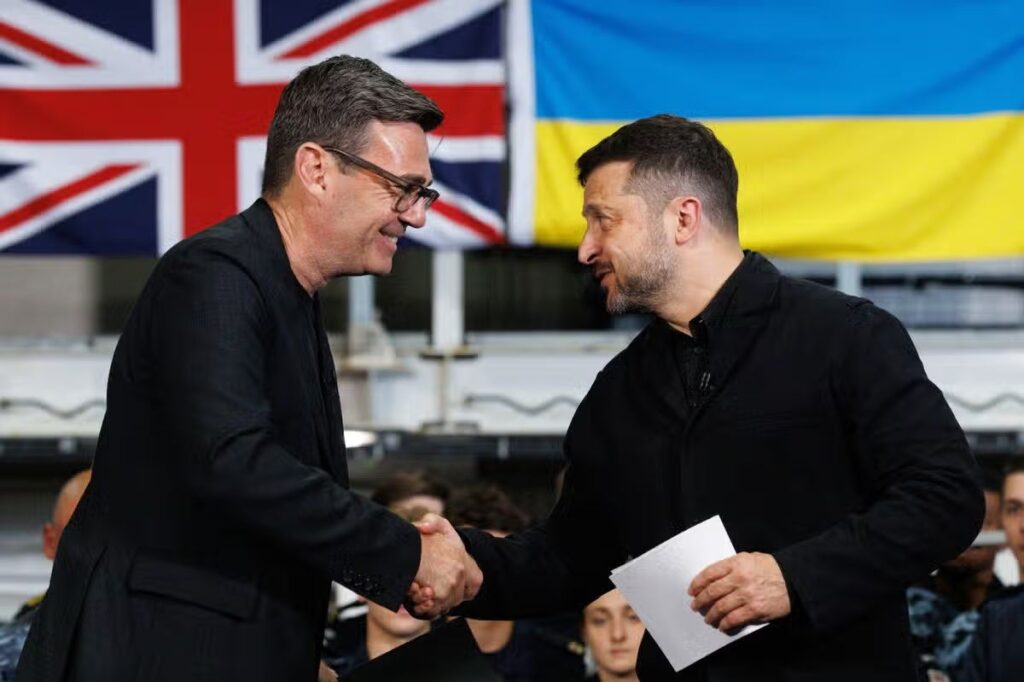
British Prime Minister Andy Burnham has chosen war-torn Ukraine as the destination for his first official foreign visit since taking office, sending an unmistakable message of solidarity to Kyiv while unveiling a major new step in Britain’s military support for Ukraine.
Burnham arrived in Kyiv on Monday, August 24, coinciding with Ukraine’s 35th Independence Day. During the visit, he is expected to meet Ukrainian President Volodymyr Zelenskyy and chair his first meeting of the Coalition of the Willing, a group of countries supporting Ukraine in its war with Russia.
But the symbolism of Burnham’s first overseas trip is being matched by a highly sensitive military announcement.
Britain has agreed to allow defence company MBDA to release classified information relating to British components used in the SCALP long-range cruise missile. The move is designed to help France and Ukraine establish local assembly lines for the missile in Ukraine.
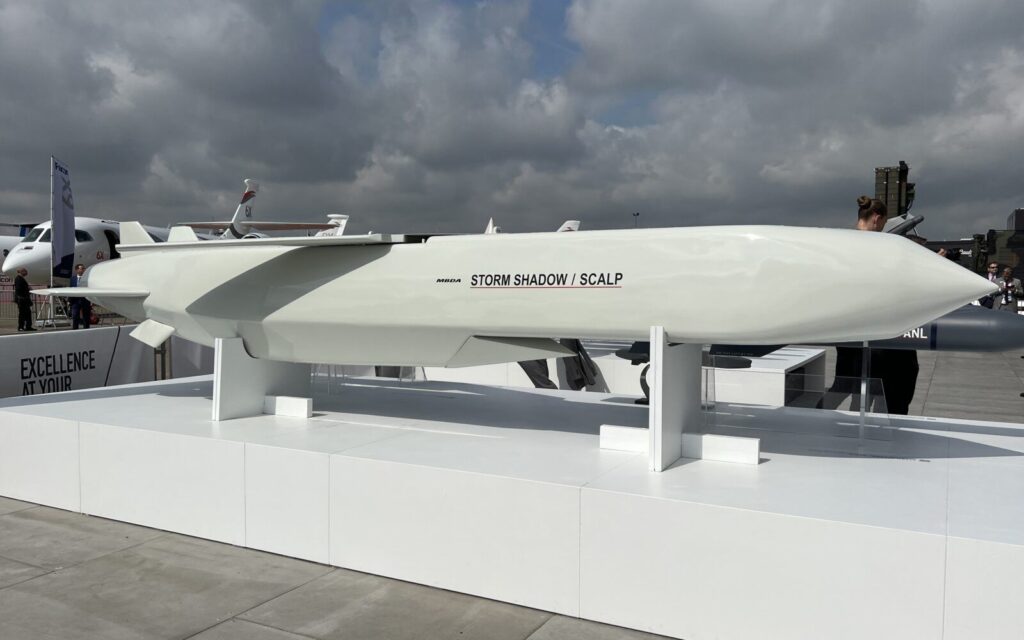
The SCALP is the French version of the Anglo-French weapon system known in Britain as Storm Shadow. Both missiles incorporate British and French technology and have been supplied to Ukraine as part of Western military assistance.
The significance of the decision is considerable. Ukraine has largely depended on Western partners for the delivery of long-range strike weapons. Local assembly would give Kyiv greater capacity to produce and sustain such weapons closer to home, reducing its reliance on finished missiles supplied from abroad.
British officials say the release of the classified information will allow French and Ukrainian authorities to move ahead with Ukrainian assembly of the missile. The initiative comes alongside Britain’s wider effort to develop advanced long-range strike weapons for Ukraine.
Burnham has made clear that Moscow’s warnings will not change London’s position.
“Ukraine’s security is our security,” the Prime Minister said, pledging that Britain would stand with Ukraine “for as long as it takes.” Britain has provided more than £25 billion in military and civilian assistance to Ukraine since Russia’s full-scale invasion in 2022, according to Reuters.
The Kremlin, however, has increasingly portrayed Britain’s military assistance as evidence of London’s direct involvement in the conflict.
Moscow recently warned Britain of “consequences” over its alleged role in supplying weapons and drones used by Ukraine against targets inside Russia. Britain has rejected the pressure and reiterated that it will continue supporting Kyiv.
The timing of Burnham’s visit therefore carries particular weight.
Rather than making his first foreign trip to a traditional European ally or major diplomatic partner, the British leader has chosen Kyiv — a capital at the centre of Europe’s most dangerous armed conflict in decades.
His arrival on Ukraine’s Independence Day, coupled with Britain’s decision to facilitate access to classified SCALP-related information, turns the visit into both a diplomatic declaration and a military signal.
For Kyiv, the message is one of sustained Western backing.
For Moscow, it represents another indication that Britain is prepared to deepen its role in strengthening Ukraine’s ability to wage a long-range war.
And for Burnham, his first foreign trip has made one thing clear: his government intends to keep Britain firmly on Ukraine’s side, even as relations with Russia deteriorate and the risk of further escalation grows.