Iran is facing a potentially dangerous convergence of military, economic and political pressure, as its grip over the strategically vital Strait of Hormuz appears to be weakening while sanctions and the suspension of trade by the United Arab Emirates threaten to deepen an already severe economic crisis.
The latest developments have transformed the conflict into a high-stakes test of whether Tehran can convert its military capabilities into meaningful political leverage before economic pressure becomes overwhelming.
Shipping activity through the Strait of Hormuz has surged in recent days. According to shipping data cited by the New York Post, nearly 200 vessels passed through the waterway last week, up from about 40 two weeks earlier — an increase of almost 400 percent. The figure remains well below normal pre-war traffic, but the sharp rise suggests that alternative, U.S.-supported arrangements are allowing more commercial vessels to navigate the strategic passage.
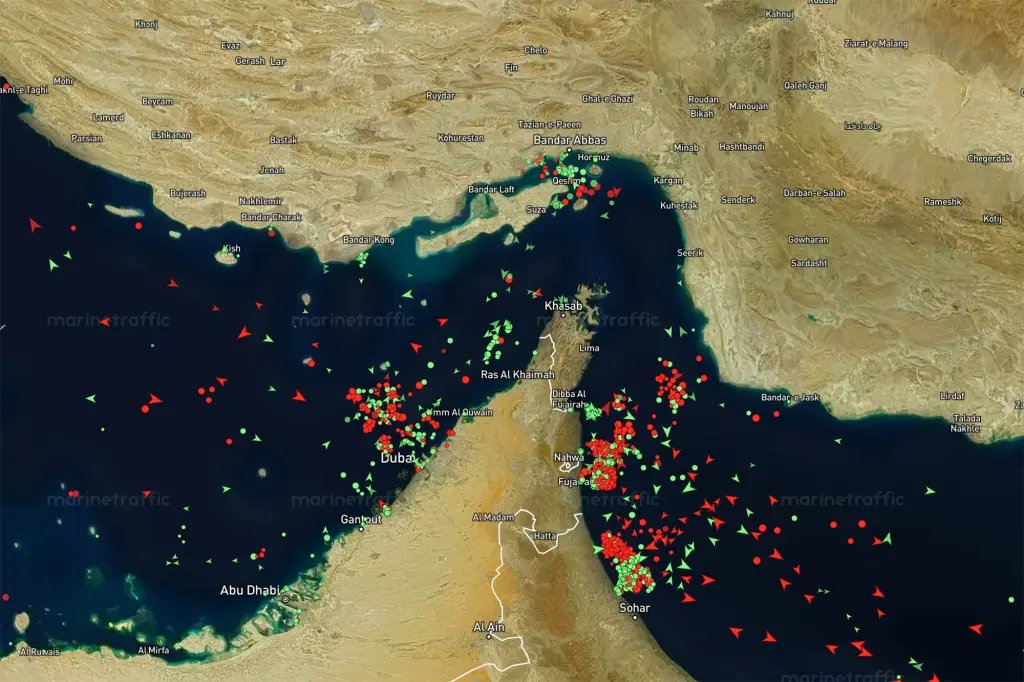
That development matters because Hormuz has been one of Tehran’s most powerful strategic cards. The narrow waterway is a critical artery for global energy supplies, and Iran has repeatedly used its ability to disrupt shipping as a means of exerting pressure on the United States and its regional allies.
But that leverage becomes less powerful if vessels can increasingly move through the strait without accepting Tehran’s conditions.
At the same time, Iran’s oil industry is coming under mounting pressure. U.S. sanctions and restrictions on Iranian shipping and trade are threatening the country’s ability to generate the foreign currency needed to sustain its economy and finance the war. Recent reporting has described Iranian oil exports as falling toward negligible levels, although independent tracking data show that some Iranian oil has continued to move through covert and sanctioned shipping networks.
The pressure intensified further after the United Arab Emirates announced the suspension of commercial and financial transactions with Iran. The UAE is a major trading partner and an important re-export hub for Iranian goods, making the decision another potentially serious blow to Tehran’s ability to circumvent sanctions and maintain access to international markets.
The economic squeeze is now spilling directly into Iran’s political leadership.
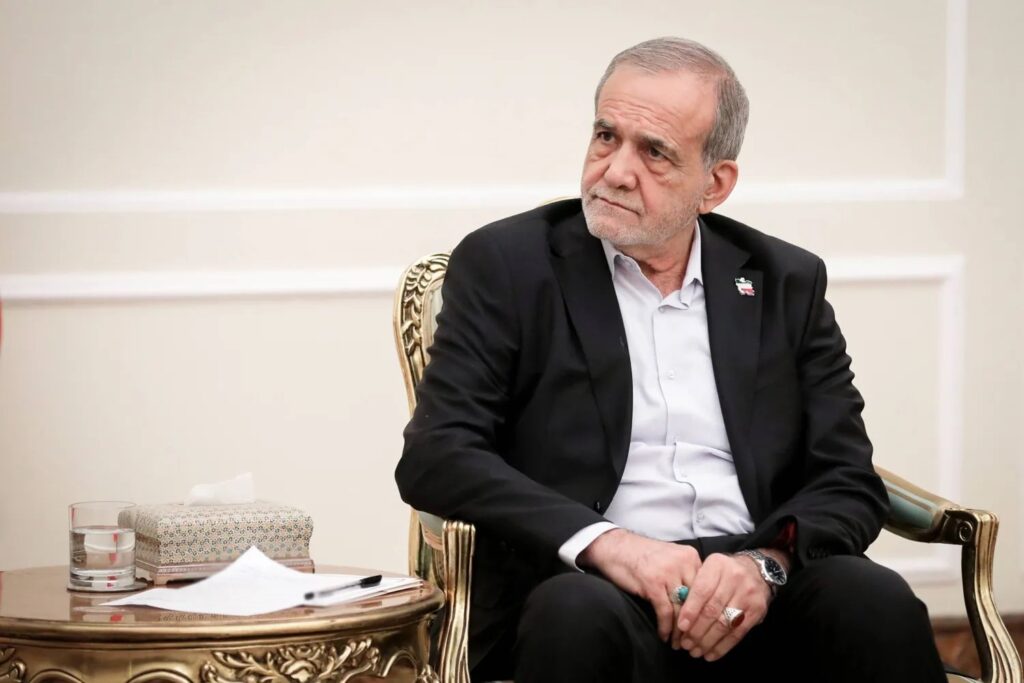
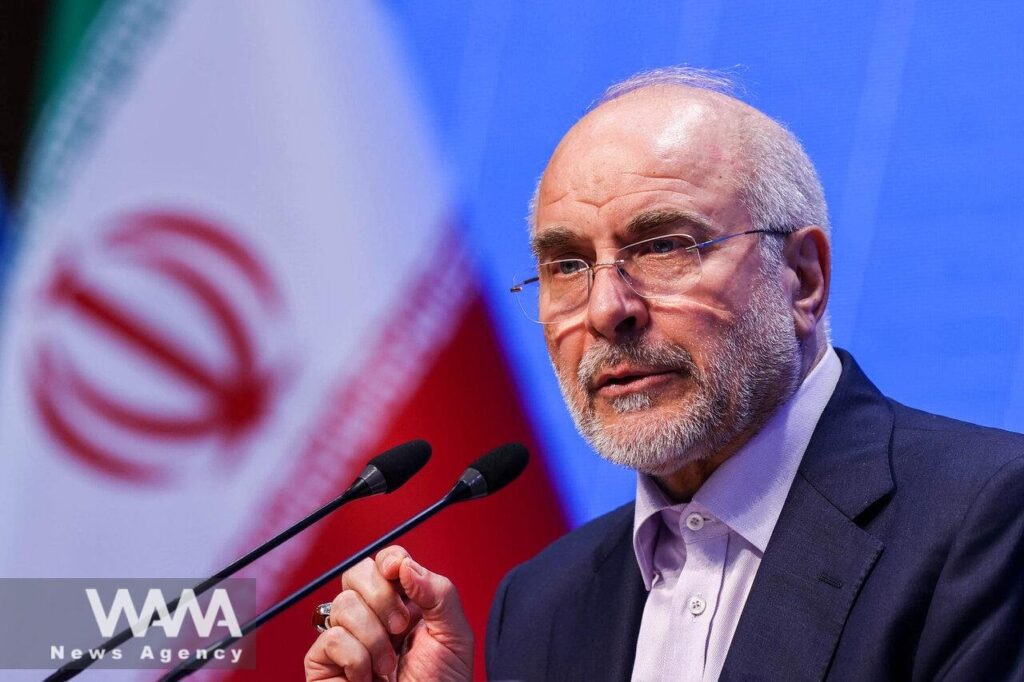
President Masoud Pezeshkian has argued that the conflict must ultimately come to an end and that Iran needs a path toward negotiations. Parliament Speaker Mohammad Bagher Ghalibaf has also warned about the consequences of allowing economic deterioration to continue, underscoring the growing concern inside Iran that military resistance alone cannot solve the country’s economic problems.
That is the central dilemma confronting Tehran.
Iran still possesses missiles, drones, military forces and the capacity to threaten shipping and regional targets. But weapons alone cannot replenish foreign-exchange reserves, reopen international trade routes, stabilize the currency or restore an economy battered by sanctions and war.
The contradiction is becoming increasingly stark: the longer the conflict continues, the more Iran may demonstrate its ability to fight while simultaneously weakening its ability to sustain the fight.
For Washington, that creates an opportunity to turn military pressure into economic leverage. U.S. Treasury Secretary Scott Bessent has described the administration’s forthcoming sanctions campaign as an “economic D-Day,” with Washington threatening countries and companies that continue doing business with Tehran.
For Tehran, however, backing down carries its own risks. Iran’s leadership must balance the demands of hardliners who insist on continued resistance against civilian leaders increasingly concerned about economic survival and the cost of prolonged confrontation.
The result is a three-front squeeze: Hormuz is becoming harder to control, oil revenues are under extraordinary pressure, and divisions within Iran’s political establishment are becoming increasingly visible.
Tehran may still have the missiles to prolong the war.
The question is whether it has the economic strength — or the political unity — to keep doing so.
And that may ultimately determine who has the stronger hand when the war reaches the negotiating table.