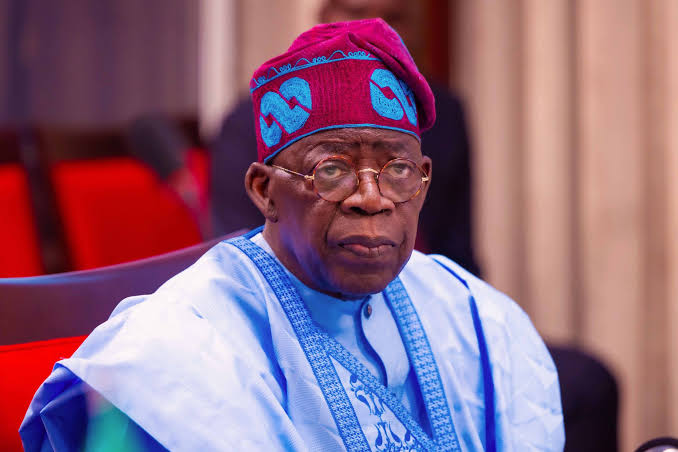
The administration of President Bola Ahmed Tinubu is under growing scrutiny over its failure to publish the 2025 budget implementation and performance reports, despite six months having passed in 2026, raising fresh concerns about transparency and accountability in the management of public funds.
Reports by ChroniclesReporters indicate that no comprehensive budget performance reports for 2025 have been made available to Nigerians, even as the Federal Government continues to implement the budget after President Tinubu extended its lifespan to June 30, 2026, while signing the N68.32 trillion 2026 Appropriation Act into law.
The absence of the reports marks a sharp departure from the long-established practice of releasing quarterly budget implementation updates, which enable citizens, lawmakers, civil society groups and development partners to track government spending, monitor project execution and evaluate fiscal performance.
Transparency advocates argue that budget performance reports are not mere administrative documents but essential accountability tools that reveal how appropriated funds are utilised, the status of capital projects, revenue generation, debt obligations and compliance with the provisions of the Appropriation Act.
Critics warn that the continued failure to publish the reports has created an information blackout around trillions of naira in public expenditure, leaving Nigerians unable to independently assess whether government ministries, departments and agencies are delivering on promises made in the national budget.
Fiscal analysts have also expressed concern that the lack of regular disclosures could weaken public trust in government finances and undermine Nigeria’s commitments to global standards on fiscal openness and transparent governance, particularly at a time when the country continues to rely heavily on borrowing to finance development projects.
Civil society organisations have consequently demanded the immediate publication of all outstanding budget performance documents, insisting that transparency in the management of public resources is a constitutional responsibility rather than an act of goodwill by those in power.
The controversy has reignited broader debates about accountability in governance, with observers maintaining that democratic leadership requires not only the approval of budgets but also timely and comprehensive explanations of how every naira allocated in the name of the Nigerian people is spent.