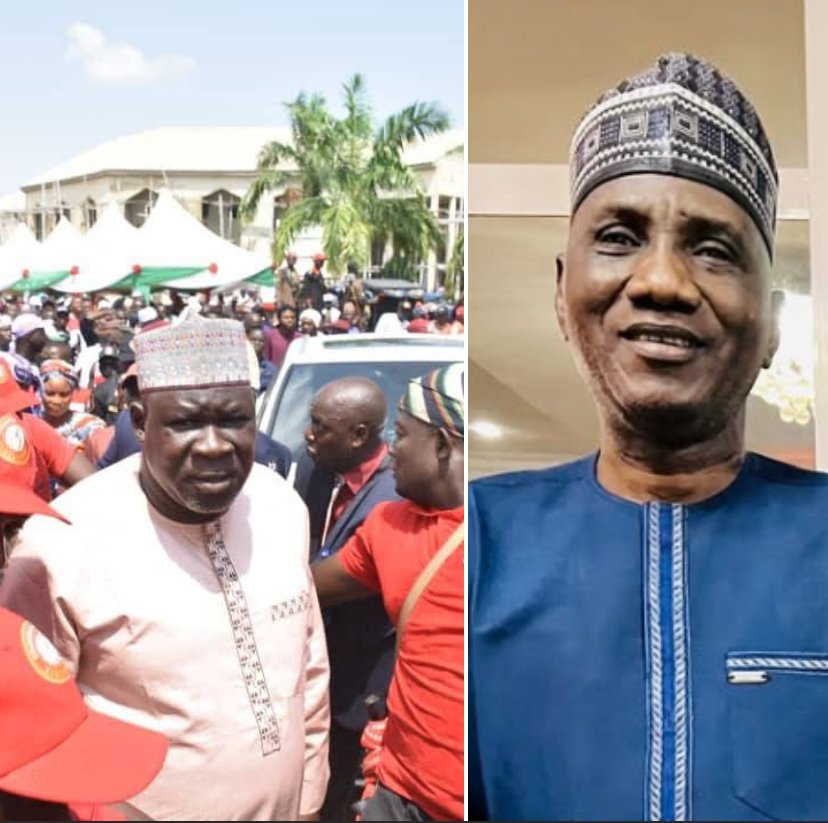
The newly sworn-in Chairman of Gwagwalada Area Council, Hon. Kasim Mohammed Ikwa, has declared an ambitious plan to tackle years of infrastructural neglect, poor healthcare services, and abandoned public projects across the council, promising a new era of development-driven governance.
Speaking during his inauguration ceremony, the chairman painted a sobering picture of the realities facing many communities within the council, particularly rural areas where residents continue to struggle with poor road networks and limited access to essential services.
According to him, the condition of many roads linking communities to markets, schools, and healthcare facilities remains unacceptable, creating barriers to economic growth and social development.
“Our people deserve better,” he declared. “Many rural roads become inaccessible during the rainy season, cutting communities off from opportunities and basic services. We will identify and prioritize critical roads that directly impact the lives of our people.”
The statement has been widely interpreted as an acknowledgment of the infrastructure challenges that persisted despite years of public spending and repeated promises by previous administrations.
Residents across several communities have long complained about deteriorating road networks, abandoned projects, and inadequate public facilities, concerns that have repeatedly surfaced during town hall meetings and community engagements.
In what appears to be a departure from the traditional dependence on council allocations, Kasim announced plans to aggressively pursue Public-Private Partnerships (PPPs), engage donor agencies, attract investors, and seek support from development organizations to finance critical projects.
Political observers say the strategy reflects the financial realities confronting the council and signals an attempt to explore alternative sources of development funding.
The chairman also specifically referenced abandoned projects within the council, including the long-delayed Town Hall project, promising that such initiatives would be reviewed and completed if found beneficial to residents.
“Projects that can offer value to our people will not be allowed to waste away. We will review them and ensure completion within a reasonable time,” he said.
The commitment is expected to resonate with many residents who have questioned why several publicly funded projects remained unfinished despite multiple budget cycles.
Beyond infrastructure, Kasim identified healthcare as a major pillar of his administration, describing a healthy population as the foundation of sustainable development.
He expressed concern over the state of many primary healthcare centres across the council, noting that several facilities require urgent rehabilitation and upgrading.
“Many of our primary healthcare centres are in poor condition. This administration will prioritize their rehabilitation and seek partnerships with federal agencies, international organizations, private healthcare providers, and development partners to improve service delivery,” he stated.
Healthcare advocates have long argued that the poor condition of many PHCs has forced residents to travel long distances for basic medical services, particularly in rural communities.
The chairman’s remarks have generated fresh expectations among residents who hope that the new administration will move beyond promises and deliver tangible improvements in infrastructure, healthcare, and public service delivery.
For many observers, the inauguration speech was not only a presentation of policy priorities but also a subtle reflection of the development gaps inherited by the new administration.
As Gwagwalada begins a new political chapter, citizens will be watching closely to see whether the promises of road rehabilitation, healthcare revitalization, project completion, and economic partnerships translate into visible results on the ground.
The message from the new chairman was clear: the challenges are enormous, but the era of excuses is over. The real work, he said, begins now.