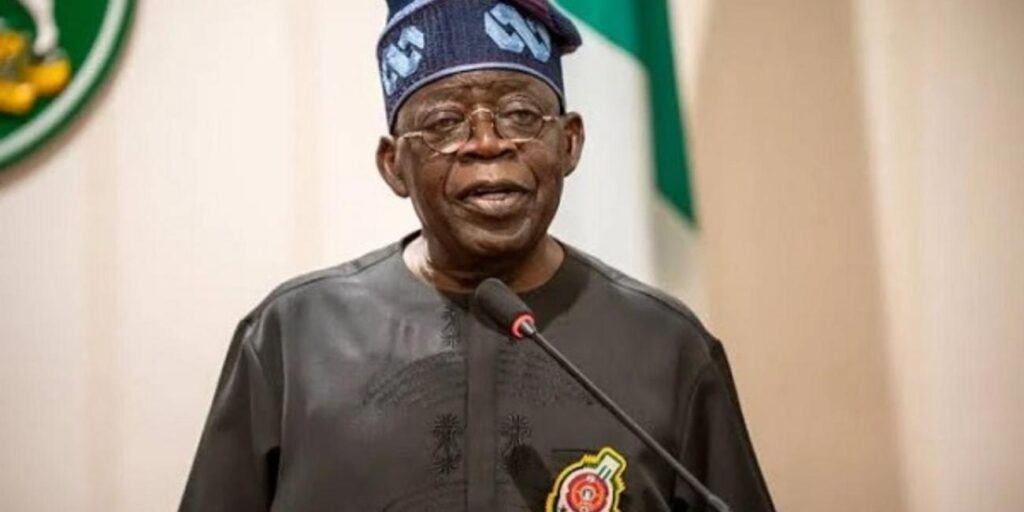
President Bola Ahmed Tinubu has approved a total of ₦15.8 trillion for debt servicing in the 2026 fiscal year, as part of the newly signed ₦68.32 trillion Appropriation Act.
The approval was confirmed in a State House statement announcing the president’s assent to the 2026 budget, which outlines the Federal Government’s spending priorities for the year.
A breakdown of the budget shows ₦4.799 trillion allocated for statutory transfers, while debt servicing alone takes up ₦15.8 trillion nearly matching the ₦15.4 trillion set aside for recurrent expenditure.
The budget also earmarks a significant ₦32.2 trillion for capital projects through the Development Fund, representing about half of the total spending. According to the presidency, this reflects a focus on infrastructure, economic growth, and national development.
Officials described the spending plan as a “strategic balance” between meeting debt obligations and investing in key sectors aimed at improving productivity and living standards.
In addition, President Tinubu approved an extension of the 2025 budget’s capital implementation timeline, moving the deadline from March 31 to June 30, 2026. The extension is intended to allow Ministries, Departments, and Agencies (MDAs) to complete ongoing projects and maximise the use of allocated funds.
The new budget took effect from April 1, 2026, with full implementation expected to align with the administration’s policy agenda.
However, the large allocation for debt servicing is likely to remain a major point of debate among economists and policy analysts, especially amid concerns about Nigeria’s rising debt profile and its impact on development spending.