
A bizarre and deadly assassination case has emerged from Russian-occupied Crimea, where authorities have accused a 32-year-old Russian woman of planting a bomb inside a trash bin to kill a former Ukrainian naval officer who defected to Russia after Moscow seized Crimea in 2014.
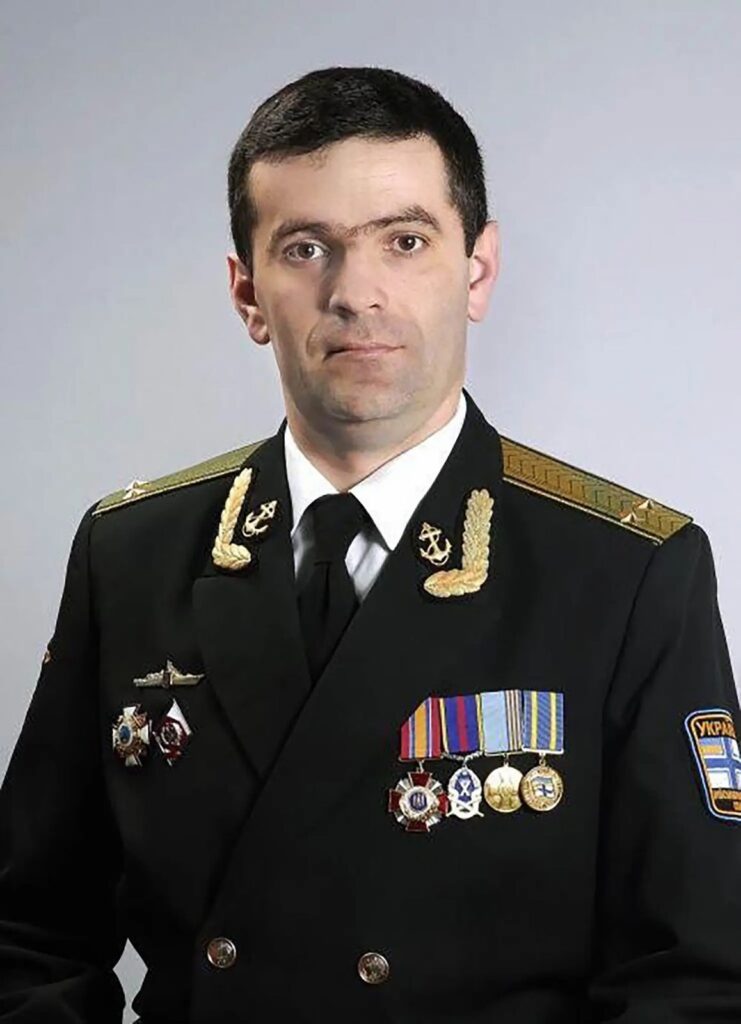
The suspect, identified as Margarita Reut, was arrested after the August 13 explosion that killed Robert Shageev, a former Ukrainian submarine commander who later served with Russia’s Black Sea Fleet. Russian authorities allege that Reut was acting on orders from Ukrainian intelligence.
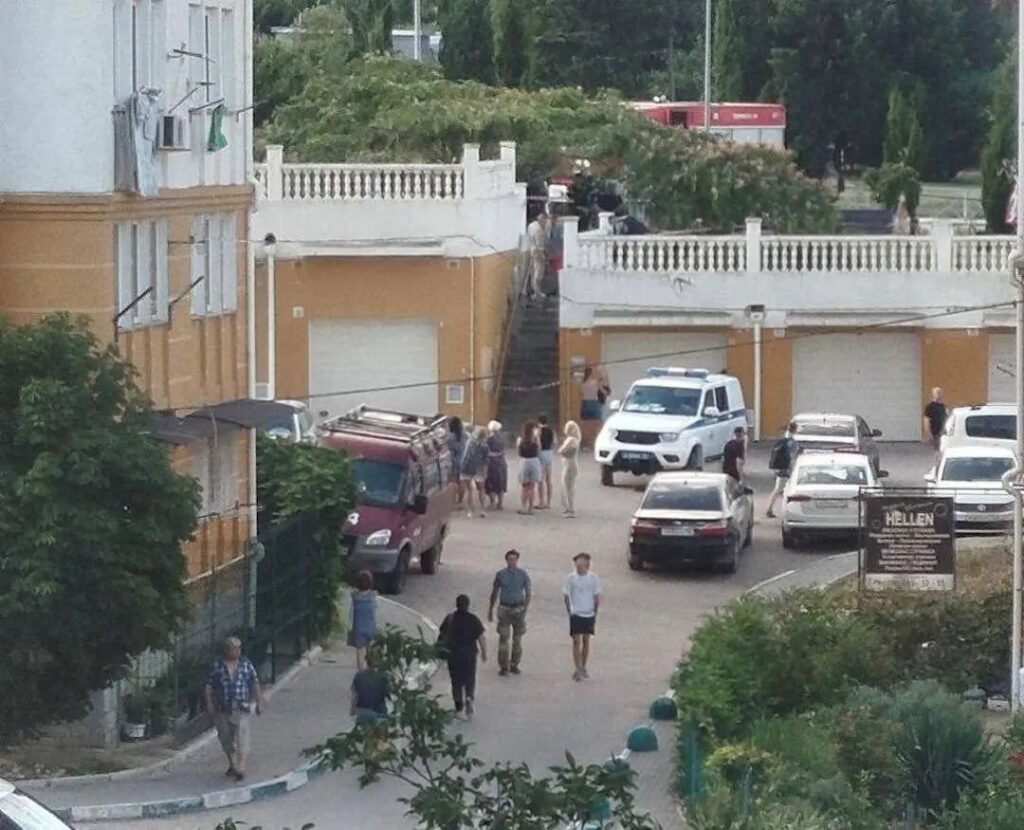
According to Russian accounts, the explosive was concealed inside a trash bin on a street in Sevastopol and detonated as Shageev approached. The blast was reportedly powerful enough to initially be mistaken by some residents for a drone strike.
The case has attracted unusual attention because of the alleged identity of the suspect and the background of the victim. Russian media have described Reut as an escort and reported that she had previously worked in other occupations, including biology. Some reports further allege that she was promised payment in cryptocurrency and planned to flee Russia after the operation. Those details have not been independently verified.
Russian security authorities say Reut confessed to carrying out the bombing. Reports also claim that when questioned about whether she regretted killing Shageev, she answered “no.”
FROM UKRAINE’S SUBMARINE TO RUSSIA’S BLACK SEA FLEET
Shageev’s history appears central to the case.
He was a Ukrainian naval officer associated with the submarine Zaporizhzhia, which was Ukraine’s only submarine at the time Russia seized Crimea in 2014. During the takeover, he switched allegiance to Moscow and subsequently joined Russia’s military establishment. Ukrainian authorities regarded his defection as treason and placed him under investigation.
His subsequent service for Russia reportedly made him an even more prominent figure in the eyes of Kyiv. Russian and Western reports have linked him to the Black Sea Fleet and said he continued serving Russia after the full-scale invasion of Ukraine.
His death therefore carries a significance far beyond one bombing. It represents the violent collision of a personal act of defection, Russia’s annexation of Crimea and the continuing intelligence war between Moscow and Kyiv.
MOSCOW’S SPY-OPERATION CLAIM
Russia’s Federal Security Service has alleged that Reut was recruited or directed by Ukrainian intelligence.
But the claim remains an allegation. There has been no independent public evidence establishing that Ukraine’s intelligence services ordered the killing, and Kyiv has not publicly accepted responsibility for the attack. Meduza, citing Russian authorities, reported that the FSB said the suspect had acted on orders from Ukrainian intelligence but initially did not identify either the victim or the detained woman.
That distinction is important because the killing comes amid a broader pattern of sabotage and targeted attacks associated with the Russia-Ukraine conflict, in which Moscow and Kyiv frequently accuse each other of covert operations while independent verification can be difficult.
The circumstances surrounding Reut’s alleged recruitment, the precise nature of her relationship with any intelligence service and the evidence supporting Russia’s accusations remain subjects of investigation.
A COVERT WAR PLAYING OUT IN PLAIN SIGHT
The killing also demonstrates how the war has increasingly moved beyond trenches and conventional battlefields.
Sevastopol, home to Russia’s Black Sea Fleet, has repeatedly been targeted during the conflict. Ukrainian drone and sabotage operations have struck military and strategic targets in Crimea, while Russia has maintained tight security across the peninsula.
Against that backdrop, an explosive hidden in an ordinary street trash bin presents a chilling picture of modern clandestine warfare: an everyday object allegedly transformed into a weapon, a former enemy turned Russian officer apparently marked for death, and a suspect whom Moscow says was working for Ukrainian intelligence.
For Russia, the case is another alleged example of Ukrainian covert operations penetrating deep into territory controlled by Moscow.
For Ukraine, Shageev’s history is equally significant: a former Ukrainian officer who abandoned Kyiv after the seizure of Crimea and later served the Russian military.
The unanswered question is not simply who planted the bomb, but who ordered it, why Shageev was targeted at that particular moment, and what evidence Moscow possesses to support its claim of a Ukrainian intelligence connection.
For now, the only certainty is that Shageev is dead, Reut is in Russian custody, and an extraordinary assassination in Sevastopol has once again exposed the shadow war beneath the larger Russia-Ukraine conflict.