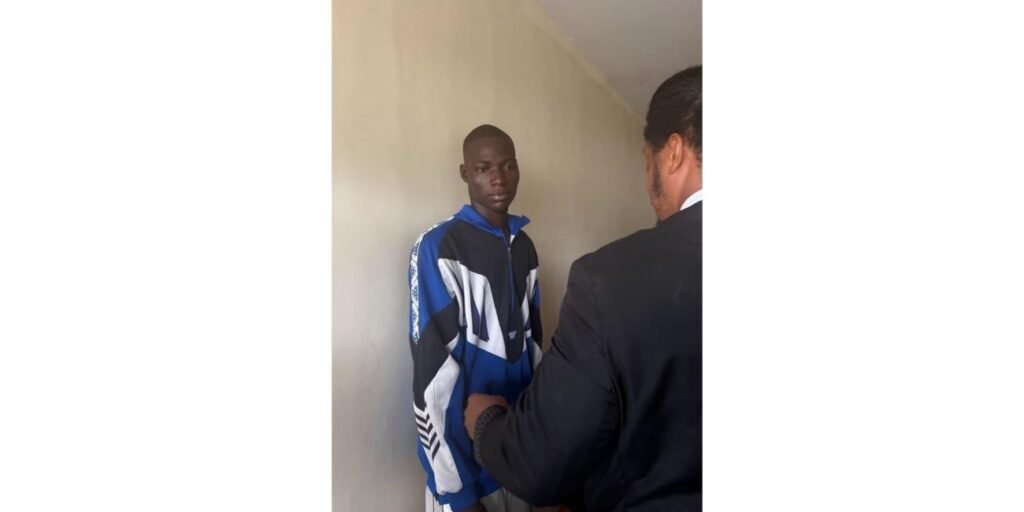
Human rights activist and African Action Congress (AAC) presidential candidate, Omoyele Sowore, has announced the release of Ifechukwu Dennis, the young Nigerian who was detained for allegedly creating an artificial intelligence (AI)-generated audio recording that cloned the voice of President Bola Ahmed Tinubu.
Dennis, whose arrest sparked widespread concerns over digital rights and freedom of expression, had spent several months in police detention before being remanded at the Kuje Correctional Centre over allegations that he originated an AI-generated voice note purportedly impersonating the President.
Speaking after Monday’s court proceedings, Sowore disclosed that Dennis regained his freedom through the efforts of human rights lawyer, Prince Wayne Esq. Aluta Icon Chikeze, who successfully secured his release. Sowore said he personally attended the court session and confirmed that the young man had reunited with his family.
However, the activist revealed that Dennis’ legal battle is far from over, alleging that the Nigeria Police Force has now instituted fresh criminal charges against him before the Federal High Court, a move he described as a continuation of what he called an oppressive campaign of persecution.
According to Sowore, despite finally walking out of custody after months behind bars, Dennis now faces another round of prosecution, raising fresh questions about the authorities’ handling of the controversial case.
“We have now learned that the Nigeria Police Force has filed fresh charges against him at the Federal High Court, in what appears to be a continuation of his ordeal,” Sowore said.
He vowed that his legal team would vigorously challenge the new charges, insisting that Dennis should not be punished for technological innovation or creative experimentation.
Sowore argued that rather than criminalising young Nigerians with digital skills, the government should create opportunities that encourage innovation, creativity and technological advancement.
“This fight is far from over. We will continue to challenge these charges and stand with him until he is completely free from what we believe to be an oppressive campaign of persecution,” he declared.
The activist further maintained that Nigerian youths deserve an environment that nurtures their talents instead of exposing them to prolonged detention and repeated prosecution.
“Nigeria’s young people need opportunities to learn, innovate, create and flourish—not incarceration and endless prosecution,” Sowore said.
The case has continued to fuel debate over the intersection of artificial intelligence, free speech and criminal liability in Nigeria, with rights advocates warning that the prosecution could set a significant precedent for how emerging digital technologies are regulated and enforced in the country.