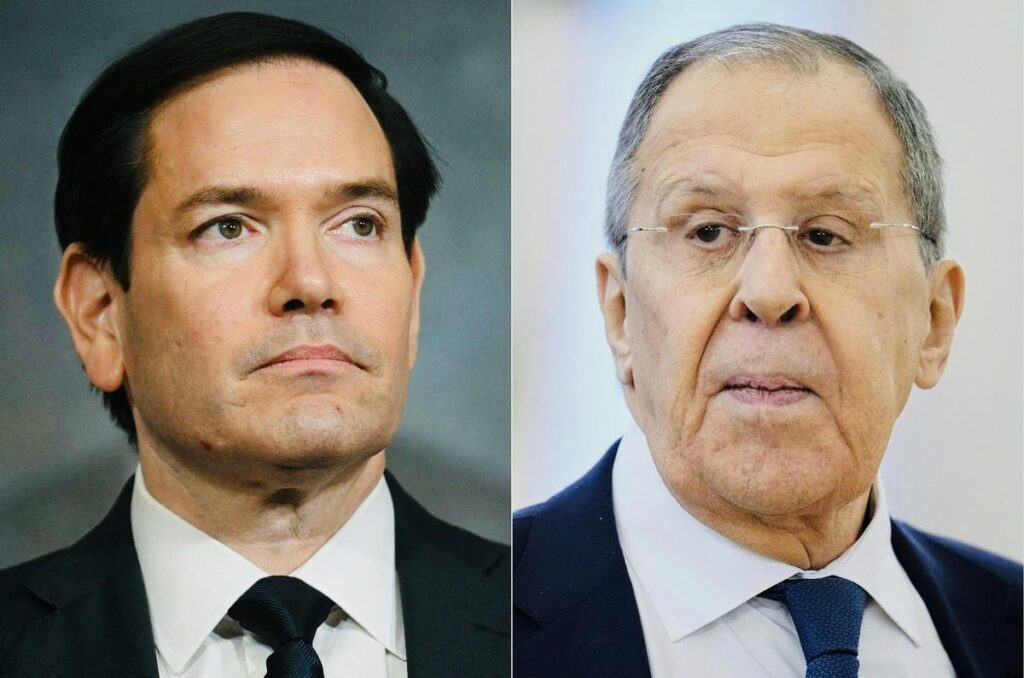
Hopes of a diplomatic breakthrough between the United States and Russia faded on Thursday after a high-profile meeting between U.S. Secretary of State Marco Rubio and Russian Foreign Minister Sergey Lavrov ended after just 37 minutes, underscoring the deep divisions that continue to define relations between Washington and Moscow.
The closed-door talks took place on the sidelines of the Association of Southeast Asian Nations (ASEAN) Foreign Ministers’ Meeting in Manila and focused primarily on the war in Ukraine, as well as broader U.S.-Russia relations. Despite expectations that the meeting could revive stalled peace efforts, neither side announced any concrete progress.
Following the meeting, Rubio described the discussions as “good” and “frank” but cautioned against expecting an immediate breakthrough, insisting that decades of geopolitical tension could not be resolved in a brief diplomatic encounter. He reiterated Washington’s willingness to help facilitate an end to what he called the “senseless war” in Ukraine if both Moscow and Kyiv are prepared to reach a mutually acceptable settlement.
Russia, for its part, maintained that it remains open to a political and diplomatic resolution but reiterated its long-standing objections to continued Western military support for Ukraine. Moscow also used the meeting to press its position that U.S. arms deliveries to Kyiv remain a major obstacle to ending the conflict.
While some social media accounts claimed Russia rejected another round of negotiations, there has been no official confirmation from either Washington or Moscow that fresh peace talks were proposed and refused. Public statements issued after the meeting instead indicated that both sides acknowledged the importance of continued diplomatic engagement, despite the absence of tangible progress.
The Manila encounter was the latest attempt to keep diplomatic channels open between the world’s two largest nuclear powers at a time when the Ukraine war continues to fuel global security concerns and deepen East-West tensions. Although the meeting ended without a breakthrough, analysts say it demonstrated that communication between Washington and Moscow has not completely collapsed—even as prospects for a negotiated end to the conflict remain uncertain.