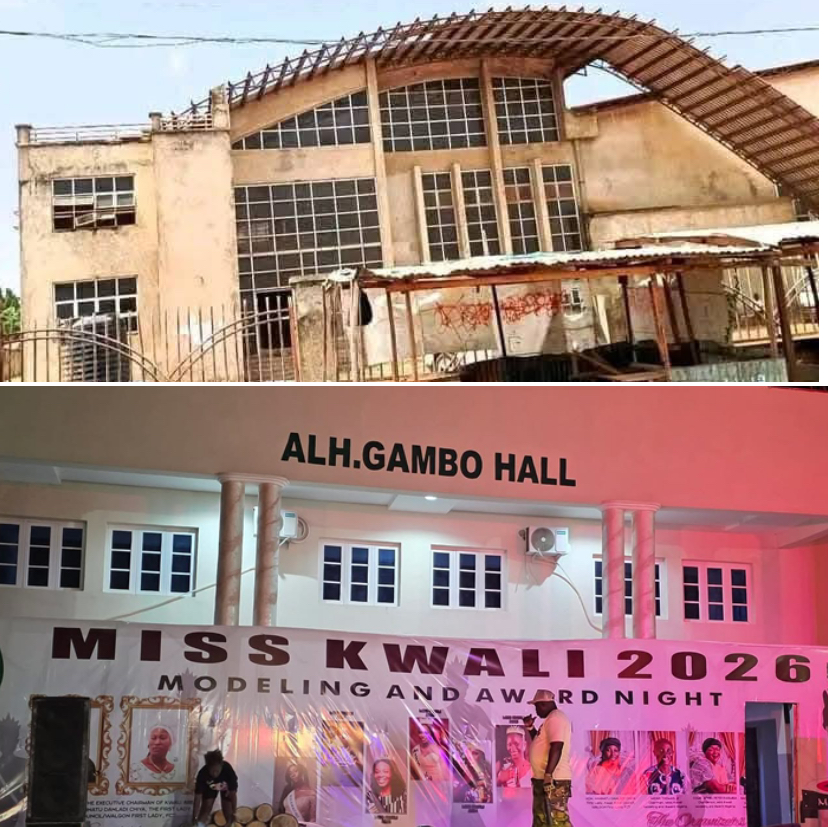
A sharp and emotionally charged Facebook post by Gwagwalada-based community organizer, Dobiza Dobiza, has ignited fresh conversations around governance, accountability, and youth frustration in the Federal Capital Territory (FCT), drawing a stark comparison between civic engagement in neighboring councils.
Reacting to a recent town hall meeting held in Kwali Area Council, Dobiza did not hold back. In his words.
“Na Kwali Area Council Town Hall be dis. Gwagwalada own na place of hunting rats and grasshoppers. Dobiza Dobiza. ONE MAN SQUAD.”
The statement, though brief, carried a weight of symbolism—painting a picture of a council disconnected from democratic engagement, where citizens feel abandoned and voiceless.
The reference to “hunting rats and grasshoppers” has since gone viral across local social media circles, interpreted by many as a metaphor for misplaced priorities, poverty-driven survival, and the absence of meaningful governance structures in Gwagwalada.
While Kwali residents gathered in a structured town hall to deliberate on development issues, policy directions, and community needs, observers say Gwagwalada continues to struggle with a lack of visible platforms for citizen-government dialogue. For many youths, the contrast is becoming increasingly difficult to ignore.
Local activists who spoke to Chronicles Reporters described the situation as “deeply troubling,” noting that town hall meetings are not just ceremonial gatherings but critical democratic tools that allow residents to question leadership, propose solutions, and demand accountability.
“People are angry, and rightly so,” one youth leader said anonymously. “When communities like Kwali are engaging their leaders directly, and Gwagwalada is silent, it sends a message that the people here don’t matter.”
Dobiza, known among grassroots circles as a vocal advocate for community development and youth inclusion, has built a reputation as a relentless one-man mobilizer—hence his self-styled title, “ONE MAN SQUAD.” His latest outburst reflects a growing sentiment among residents who feel sidelined in governance conversations despite mounting challenges such as insecurity, unemployment, and poor infrastructure.
Political observers warn that such public frustrations, if left unaddressed, could deepen distrust between citizens and local authorities. They emphasize that in a politically sensitive region like the FCT, inclusive dialogue is not optional but necessary for stability and progress.
Attempts to reach officials of the Gwagwalada Area Council for comment were unsuccessful as of press time.
However, the message from the streets is becoming clearer: residents are not just demanding development—they are demanding to be heard.
And as Dobiza’s words continue to echo online, one question lingers in the minds of many: If Kwali can listen to its people, why can’t Gwagwalada?