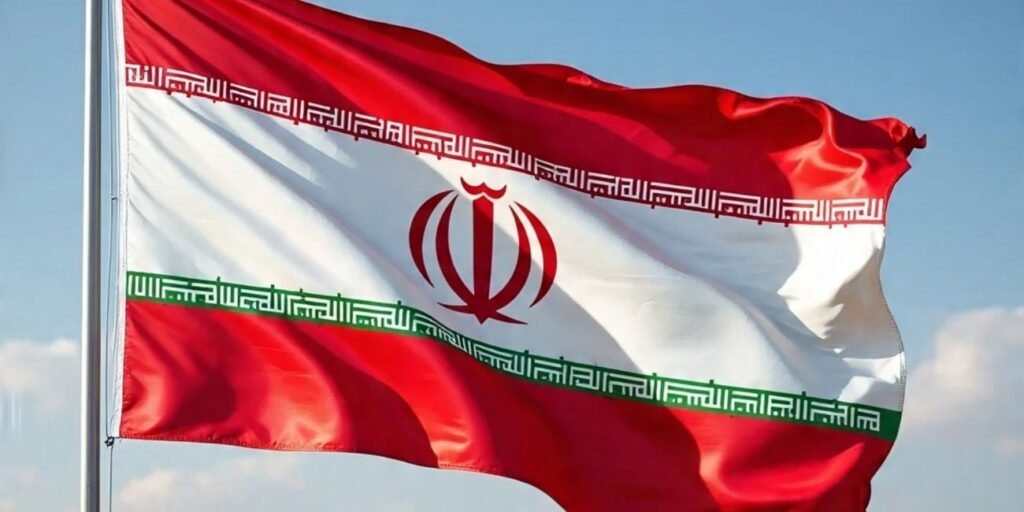
Tensions across the Middle-East surged dangerously after Iran launched a fresh wave of missiles and drones toward the United Arab Emirates, marking a dramatic escalation in the already volatile regional conflict.
Authorities in the UAE confirmed that air defence systems were immediately activated to intercept incoming threats as explosions and fires were reported in parts of the country, sending shockwaves across the Gulf region.
According to officials, debris from intercepted ballistic missiles reportedly struck an industrial area in Abu Dhabi, triggering fires and leaving several people injured. Emergency response teams were deployed quickly to contain the damage while security agencies heightened alert levels nationwide.
Officials disclosed that both ballistic missiles and armed drones were used in the coordinated assault, a move analysts say reflects an increasingly sophisticated and complex military campaign by Tehran as the crisis deepens.
The latest strikes come amid an intensifying confrontation involving Iran, the United States, and Israel, with tensions rising following recent joint U.S.-Israeli operations targeting Iranian military and nuclear facilities.
Iranian officials have repeatedly warned of retaliation, with the country’s foreign minister declaring that Israel and the United States would pay a “heavy price” for continued strikes, signaling that attacks across Gulf states could expand further.
The UAE attack is not an isolated development. Reports indicate that missile and drone threats have also emerged across several Gulf nations, including Saudi Arabia, Bahrain, and Kuwait, raising fears that the conflict may be spiraling into a broader regional war.
In response to the growing threat, Gulf states issued a joint warning condemning Iran and its allied militias, describing the attacks as dangerous provocations capable of destabilising the entire region.
Security officials warned that proxy groups and cross-border strikes are increasingly targeting both civilian populations and strategic infrastructure, heightening concerns about further escalation.
Despite the scale of the attacks, UAE authorities stated that most incoming missiles and drones were successfully intercepted, preventing more extensive destruction and casualties.
However, the global implications of the crisis are already being felt. The escalating conflict has disrupted shipping routes across key waterways, triggered volatility in global oil markets, and intensified fears of a prolonged war in one of the world’s most critical energy corridors.
As tensions continue to mount, the Middle-East remains on edge, with each new missile launch pushing the region closer to a wider confrontation that could extend far beyond its current battle lines.