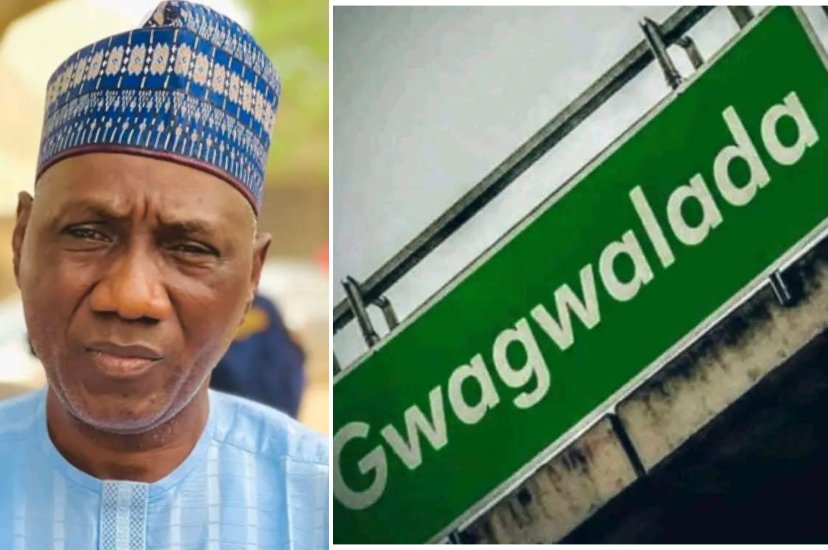
A quiet but significant storm is brewing within the political structure of Gwagwalada Area Council following a blunt and unusually candid Facebook post by Muhammed Isah Hassan, who openly questioned the competence-based approach to appointments within the administration of Hon. Abu Giri.
In a strongly worded statement that has begun to spark conversations across the Gwagwalada political space, Muhammed Isah Hassan argued that if he were appointed as Senior Special Assistant on Media to the Chairman, he would have immediately protected his integrity by declining the position if he lacked the capacity or tools to deliver.
His remarks come amid growing reactions following reports that the current SSA Media to the Executive Chairman publicly complained about not being provided with the necessary tools to function effectively — a development Hassan described as “unfortunate” and damaging to leadership credibility.
According to him, the media office remains one of the most sensitive and strategic arms of any political administration, warning that appointing individuals without proven communication experience risks setting the entire system up for failure.
Hassan did not hold back in acknowledging the individuals he believes have been holding the media narrative around the Chairman together. He credited committed supporters including Ibrahim Y Yamawo, Alfah Isah Abdulkarim, Musa A Agaba, Itz Real Jafaru, ManUtd CrownPrince, Nasir Musa Goje, Muhammad Lukman, Aluran Abuja, and Adam Bello Jr., noting that without their voluntary contributions, the media visibility surrounding the Chairman might have collapsed long ago.
The post further highlighted what he described as a disconnect between political reward systems and competence, stressing that modern politics has evolved beyond traditional loyalty-based appointments.
“Politics, like every other field in the world, is evolving,” Hassan noted, emphasizing that effective governance today requires innovation, strategic communication, and individuals who understand modern media realities.
He also argued that the situation could have been avoided entirely, pointing out that the All Progressives Congress in Gwagwalada possesses a strong pool of capable media hands who could have been considered for the role.
In what many observers see as a subtle but direct critique of the appointment process, Hassan stated that rewarding supporters should not be based on tribe, ward, or religion, but rather on competence, capacity, and ability to deliver results.
The remarks have since generated mixed reactions among party members and political observers in Gwagwalada, with some agreeing that the media office is too critical to be treated as compensation, while others believe the public nature of the criticism may deepen internal divisions.
However, one thing remains clear — the debate has reopened conversations about political appointments, performance expectations, and the evolving demands of governance in Gwagwalada.
As political dynamics continue to shift ahead of future electoral cycles, Hassan’s comments may signal growing pressure on political leaders in the Area Council to prioritize professionalism, communication strategy, and competence in governance.
For many residents and observers, the message is simple: Gwagwalada deserves leadership decisions that match the pace of modern politics — and the media office may be the first test of that commitment.