By Barrister Abimbola Adebayo, Esq.
Around the world, governments are beginning to answer a question parents have wrestled with for years: should children have unrestricted access to social media?
In December 2025, Australia became the first country in the world to enforce a nationwide law preventing children under sixteen from operating accounts on social media platforms such as TikTok, Instagram, Facebook, Snapchat, X, Reddit and YouTube. The law places the burden squarely on technology companies, with serious penalties where they fail to keep underage users off their services.
Following this landmark move, France announced plans to adopt similar restrictions, proposing to ban social media access for those under 16 with age-verification requirements for social media platforms and legal responsibility for tech companies. Spain has also announced plans to pursue age-based restrictions for minors.
As more countries adopt these measures, what was once a debate about parenting choices is rapidly becoming a matter of state policy.
And the reason is not far-fetched; mounting evidence suggests that the design of social media as an engagement and profit making platform can expose children to significant harm.
Psychologists and child advocates have linked intensive platform engagement with anxiety, depression, disruptions to sleep and attention, and exposure to inappropriate or harmful content. While precise quantification of the impact remains contested, these concerns have driven public debate in several jurisdictions, including Europe’s Digital Services Act discussions.
Tragic cases of minors being targeted in online scams and tricked into sharing explicit material, with damaging consequences, have intensified calls for restrictive intervention.
In 2024 for instance, an underage boy reportedly committed suicide in the US after months of exploitation for sharing nude with strangers in an online romance scam. The perpetrators were later traced to Nigeria, arrested and extradited to the US to answer for their crime. Incidents like this established why countries are taking preventive actions.
Governments are increasingly unwilling to leave prevention solely to families.
Notwithstanding, the push for social media bans raises fundamental questions as social media can also provide education, creativity, and community connection.
Moreso, enforcement remains a challenge in all jurisdictions considering these restrictions. Critics point to difficulties in reliably verifying age without infringing on privacy rights or driving users toward unregulated digital spaces as determined teenagers often find ways around barriers.
For Nigeria, these global developments should serve as a wake-up call.
If nations with stronger regulatory systems are moving toward tighter controls, Nigeria cannot afford to remain on the sidelines.
Reason being that our country is home to one of the world’s youngest populations, and internet access is expanding at a fast pace.
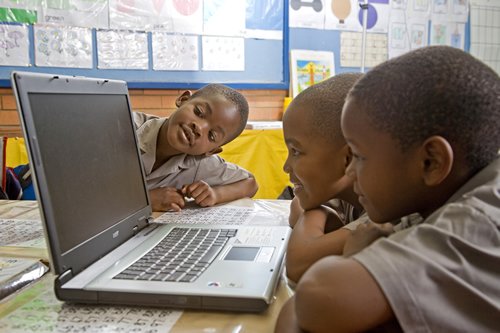
Many children navigate online spaces more confidently than the adults responsible for guiding them.
Yet, our schools often lack structured digital-safety tools, methods and training needed to supervise children’s digital experiences effectively.
Existing laws, including the Cybercrimes Act and the Nigeria Data Protection Act, provide useful tools but were not designed specifically to address the risks associated with modern social platforms viz; influencer economies, sexual exploitation, cyberbulling, livestream abuse, or algorithm-driven addiction.
Nevertherless, a wholesale adoption of Australia-style bans may not be feasible in the Nigerian context.
Inotherwords, simply copying Western prohibitions may not work.
Without a robust enforcement mechanism and cooperation from global platforms which are not domiciled in Nigeria, outright bans could become mere symbolic gestures rather than effective.
But, how do we protect children without infringing their rights to information, expression, and connection?
Nigeria needs a solution rooted in its own circumstances. This includes a balanced policy that relies on the country’s unique social, legal, and technological realities.
A practical approach would thus include clearer age thresholds supported by parental consent, stronger duties of care imposed on technology companies, and rapid response mechanisms when harm occurs.
Digital literacy should become part of national education policy so that children understand privacy, manipulation, and online risk before they become victims.
Parents and teachers also need support. Awareness campaigns and easy-to-use safety tools can make supervision possible even for those who are not technologically fluent.
At the same time, specialised law-enforcement capacity in cybercrime unit is crucial to pursue offenders and cooperate across borders.
Moreso, a multi-stakeholder collaboration among all stakeholders like the government, civil society, academia, and the technology industry to develop practical, enforceable standards that protect children while supporting innovation and digital participation.
Ultimately, the objective is not to fight technology nor romanticize a past without digital connectivity. Nigerian youths have used social media to learn, build businesses, and speak to the world.
Those benefits are real and must not be discarded. However, opportunity without protection is too heavy a burden to place on children.
This global trend towards age-based social media regulations sends a powerful message: innovation must come with responsibility. Nigeria has the chance to craft thoughtfully, homegrown solutions, learning from other countries while developing policies that fit our climes.
We should not wait for more tragedies before deciding that our children deserve safer digital spaces.
The aim is simple, to ensure that the internet expands their futures, not endangers them.