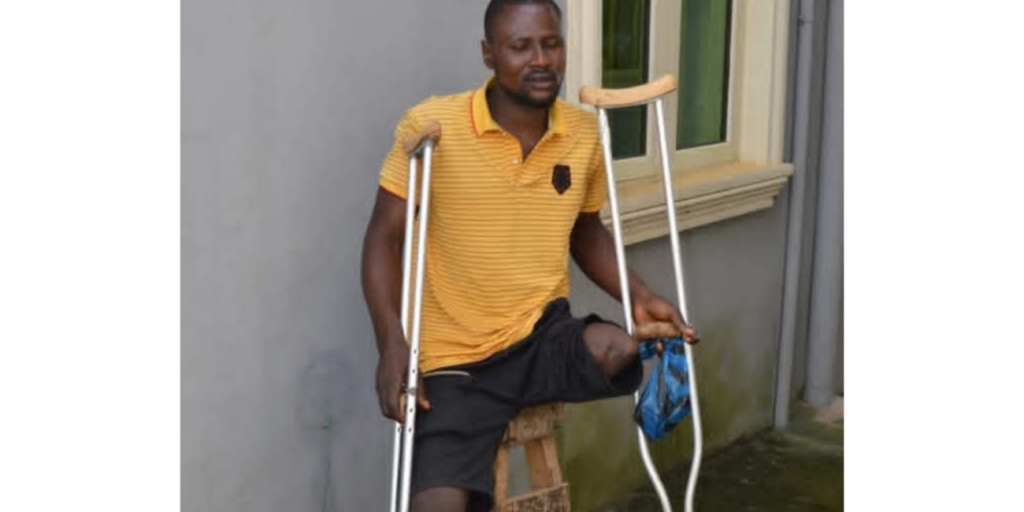
The legal battle for justice by Mr. Oluwasegun Olayinka Oluwarotimi has ended in tragedy, as the victim of a 2021 shooting by an Ondo State Amotekun officer has died without receiving the compensation awarded to him by the court.
In a statement issued on Thursday, his lawyers announced that Oluwarotimi, popularly known as Segun, died on Wednesday, February 4, 2026, after years of disability, ill health and financial hardship.
Segun was shot on August 9, 2021, at Araromi Junction in Akure by an officer of the Ondo State Security Network Agency (Amotekun). The incident led to the amputation of his leg, permanently ending his livelihood as a commercial motorcyclist and leaving him dependent on others for survival.
According to his legal counsel, led by Tope Temokun of Tope Temokun Chambers, efforts to secure justice and compensation began long before the matter reached the courts.
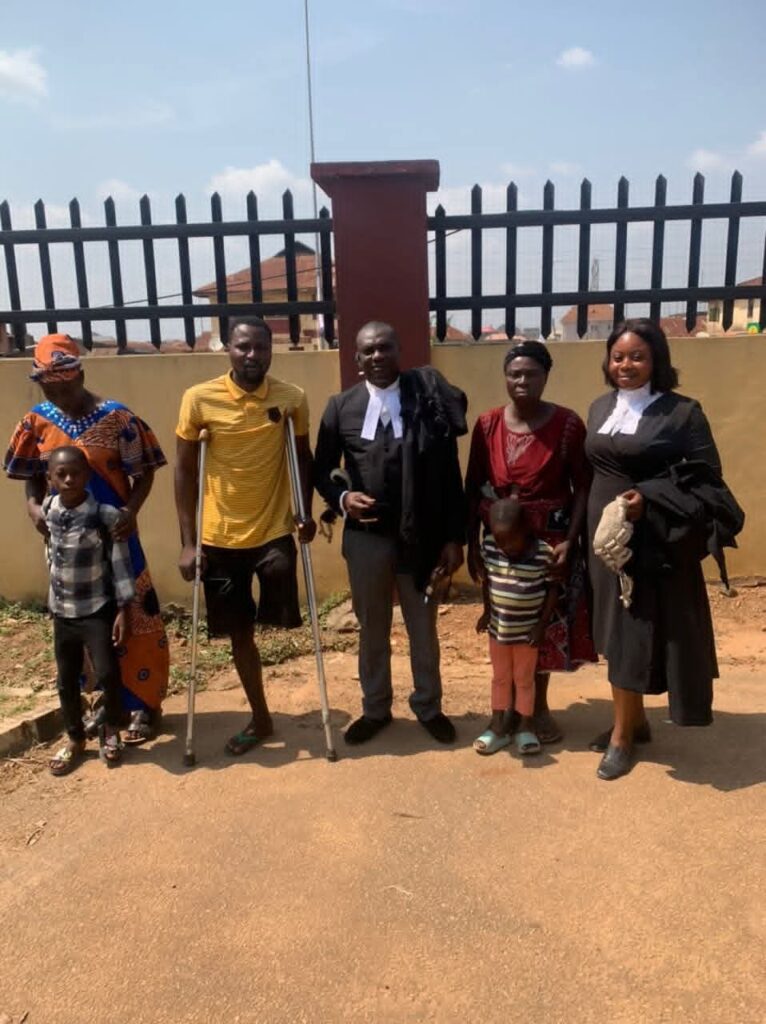
In October 2022, the lawyers wrote to the Ondo State Amotekun Corps Commandant, demanding ₦2 million in compensation. When no meaningful response came, the matter was escalated to the then Governor of Ondo State, Oluwarotimi Akeredolu (SAN), later that same month.
With no relief forthcoming, the case proceeded to court. On March 29, 2023, the Ondo State High Court, presided over by Justice Omolara Adejumo, ruled in Segun’s favour and awarded ₦30 million in damages for the violation of his rights.
The following day, formal letters were sent to the governor and the Attorney-General of the state, urging immediate compliance with the judgment. Despite this, the Ondo State Government chose to pursue further litigation rather than settle the judgment debt.
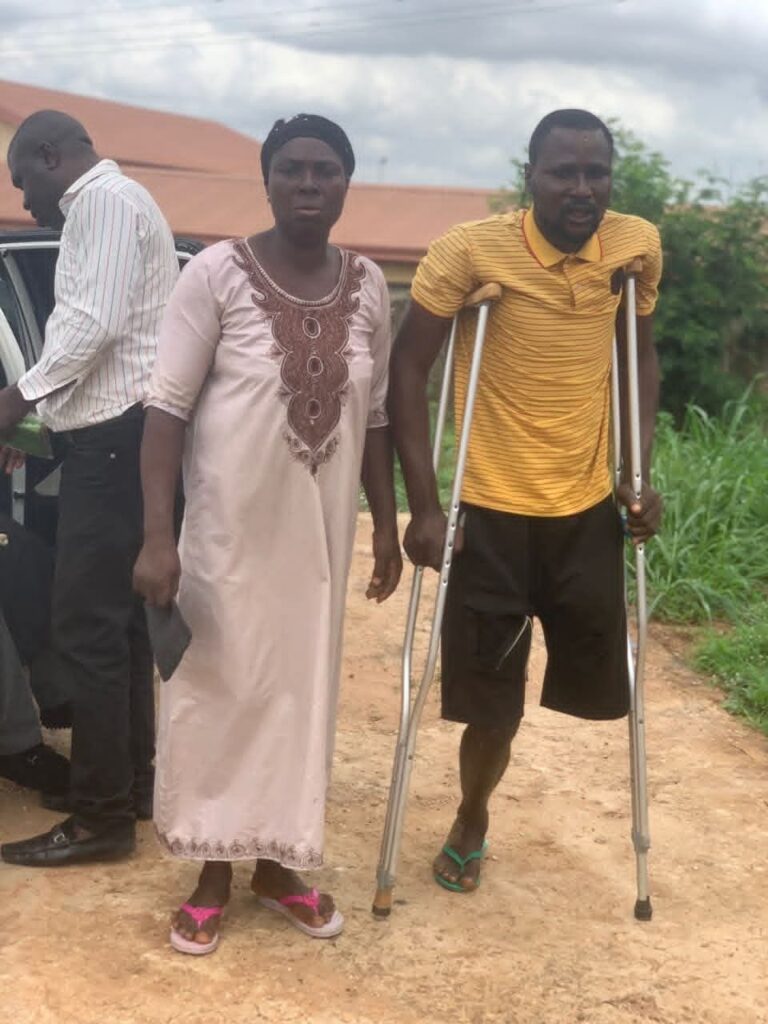
The government’s appeal was eventually struck out by the Court of Appeal on November 19, 2024. Segun’s lawyers again wrote to the state authorities, including Governor Lucky Ayedatiwa and the Attorney-General, demanding payment.
Further letters were sent in 2025, detailing Segun’s worsening health, mounting medical challenges and deepening poverty. According to his lawyers, all appeals were ignored.
Instead of complying with the court order, the legal team said public funds were spent prolonging legal processes, while Segun lived with permanent disability and extreme hardship.
By December 2025, garnishee proceedings were initiated to force enforcement of the judgment. Before the process could be concluded, Segun died.
Reacting to his death, Temokun described the case as a painful example of institutional failure, where court judgments mean little without enforcement.
“From the date of judgment until the day of his death, the judgment remained unpaid,” the lawyer said. “Segun lived in misery, with permanent disability and financial collapse, while the government continued litigation instead of showing compassion.”
He warned that the case raises serious concerns about access to justice for ordinary citizens, noting that court rulings offer little comfort when governments refuse to obey them.
“Courts can only be the last hope of the common man if governments respect court orders,” he said. “Where they do not, there is no hope.”
Segun’s death has renewed public debate about accountability, enforcement of court judgments and the human cost of prolonged government inaction.