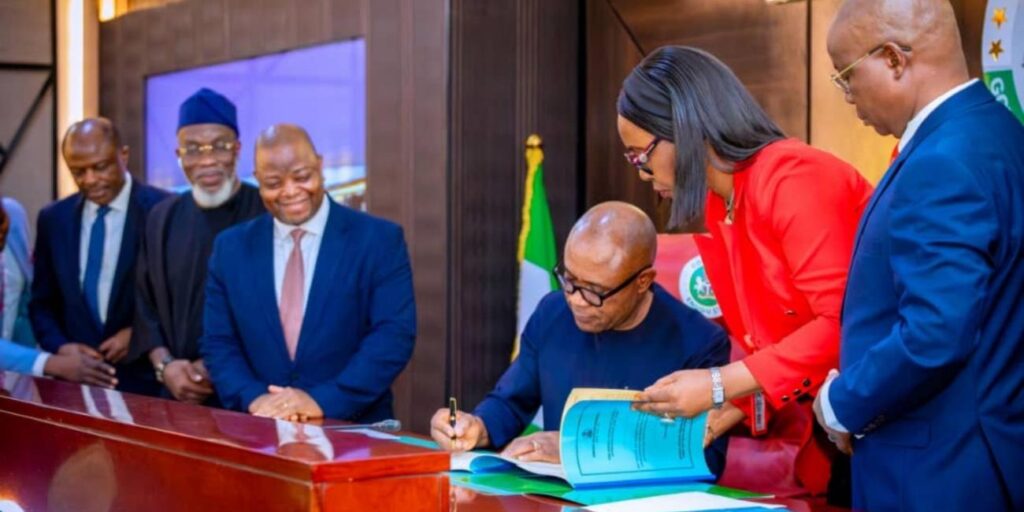
An examination of Enugu State’s proposed 2026 budget has raised concerns over spending priorities, with large allocations for government comfort items sharply outweighing provisions for healthcare. The ₦1.62 trillion appropriation bill, tagged the “Budget of Renewed Momentum,” was presented by Governor Peter Mbah’s administration as a capital-driven plan for development, but budget details suggest a stark imbalance.
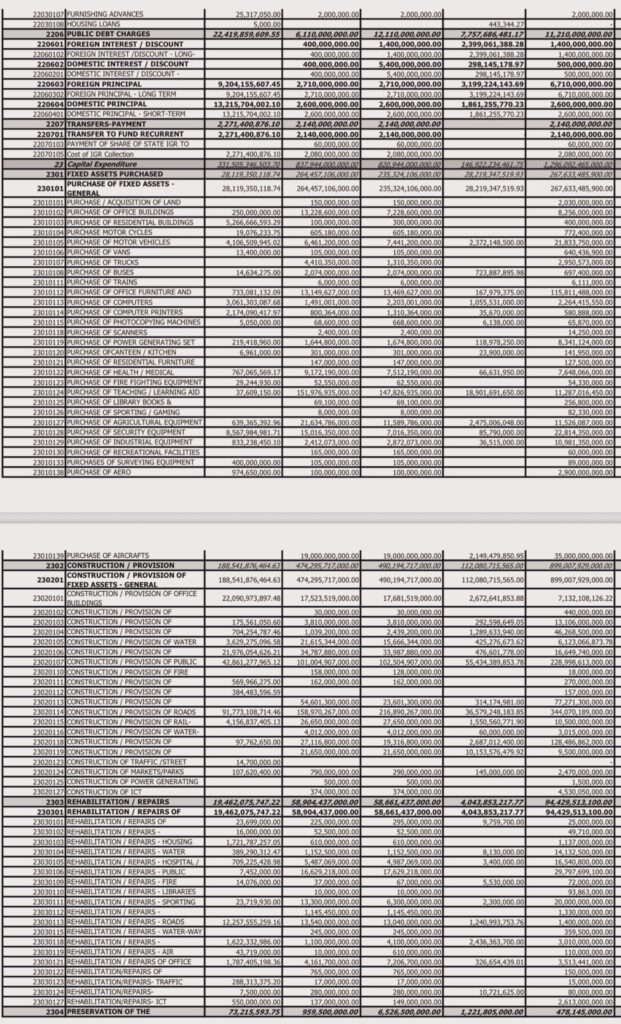
According to the budget documents, only ₦679.8 million was allocated for drugs, laboratory equipment and medical supplies for a state with an estimated population of about 4.7 million people. This translates to less than ₦150 per resident for medical consumables in an entire year, a figure health advocates say is grossly inadequate given rising inflation and persistent shortages in public hospitals.
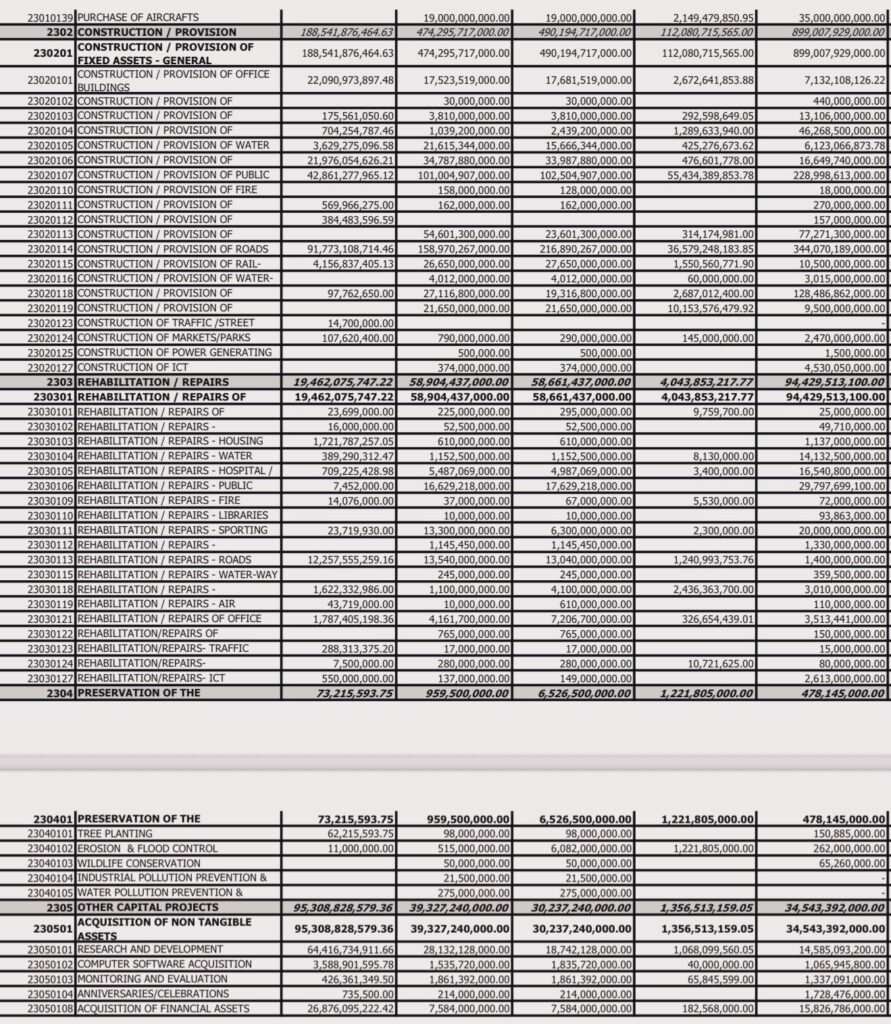
In contrast, the state plans to spend ₦115.8 billion on office furniture and rehabilitation, alongside ₦35 billion for the purchase of aircraft and ₦21.8 billion for government vehicles. An additional ₦50.3 billion is earmarked for foodstuffs and catering services. Civil society groups argue that these figures point to a budget skewed toward administrative comfort rather than public welfare.
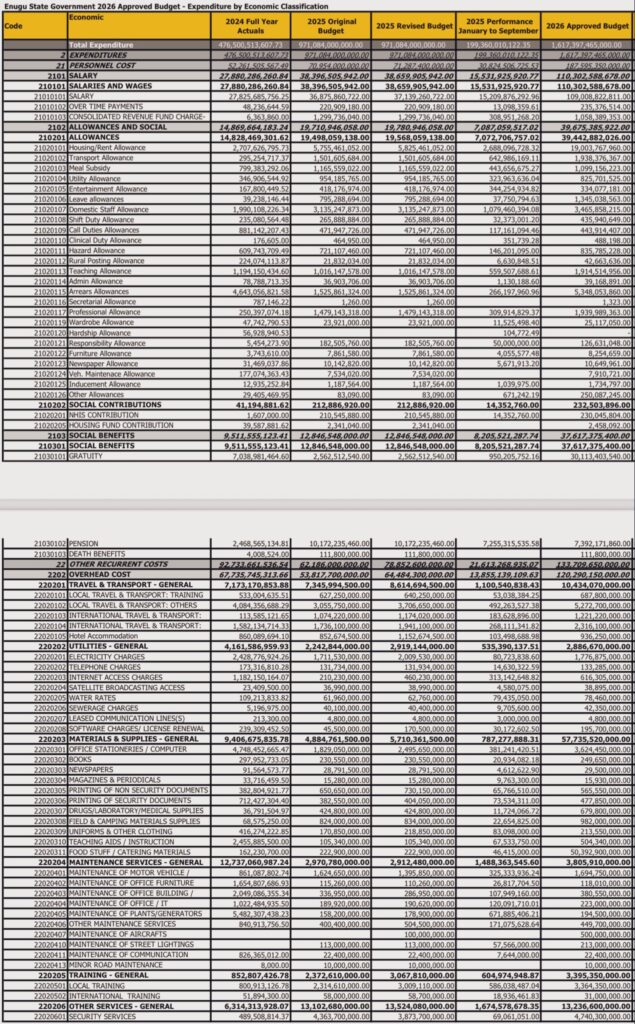
A rights advocate in Enugu described the allocations as “deeply troubling,” noting that the amount set aside for furniture alone is more than 170 times the budget for essential medical supplies. “You cannot talk about development when hospitals lack basic drugs while billions go into furnishings and luxury assets,” the source said.
While the Mbah administration has defended its spending pattern, citing investments in Smart Green Schools and new administrative infrastructure, health professionals warn that the ongoing construction of primary healthcare centres may have little impact without adequate funding for drugs and equipment. As residents grapple with rising living costs, the budget has triggered renewed debate over whether public funds are being aligned with the most urgent needs of the population.