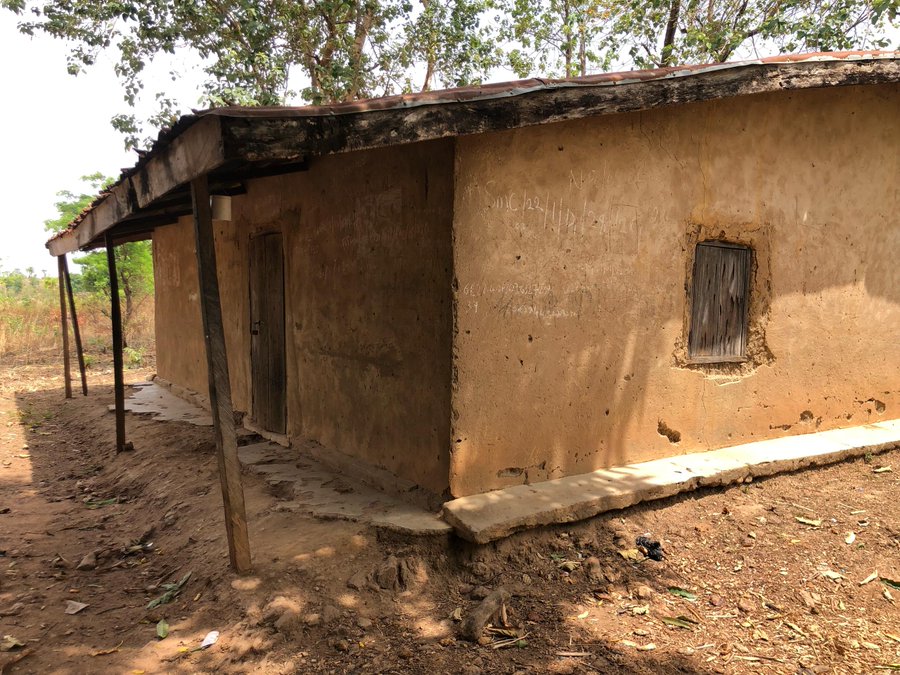
A community of more than 900 residents in Gadoro, Kwaku Ward of Kuje Area Council, Federal Capital Territory, has reportedly been left without access to a functional healthcare facility, despite having a building intended to serve as a health centre since 2001.
According to a report by TrackaNG, the Gadoro community existed for more than 50 years without access to healthcare before residents came together in 2001 to construct the facility in an effort to address the longstanding challenge.
However, the report said the community was unable to raise sufficient funds to sustain, equip and fully operationalise the facility.
TrackaNG said the building is currently locked and lacks basic infrastructure and medical equipment required for the provision of healthcare services.
According to the report, the facility has no medical equipment, electricity, water supply or beds, with only a mat and a few medications reportedly found inside the building.
The situation, TrackaNG said, has left residents with limited options whenever they require medical attention, forcing them to travel more than 70 kilometres to seek treatment at either Kuje General Hospital or Abaji Hospital.
The distance has raised concerns about the difficulties residents may face in accessing timely medical care, particularly in emergencies and for vulnerable members of the community.
TrackaNG consequently appealed to the office of Hon. Samuel Shekwolo Danjuma and the Federal Ministry of Health and Social Welfare (@Fmohnigeria) to intervene by facilitating the construction, equipping and furnishing of a standard healthcare facility for Gadoro community.
The appeal underscores the broader challenge of healthcare access in communities where residents may have constructed basic facilities but lack the resources required to transform such structures into functional health centres.
For residents of Gadoro, the existence of a locked and unequipped building offers little relief from the healthcare challenges that have confronted the community for decades.
TrackaNG’s report therefore puts the condition of the facility and the healthcare needs of the community before the relevant authorities, calling for intervention that could provide residents with access to a properly equipped and functional health facility.