Nigeria’s diplomatic and consular missions abroad are currently grappling with serious financial and operational difficulties, as unpaid rents and backlog of salaries continue to hinder their activities.
The administration of President Bola Tinubu on Monday acknowledged the troubling situation, pointing to budgetary shortfalls and recent foreign exchange policy shifts as major factors contributing to the strain.
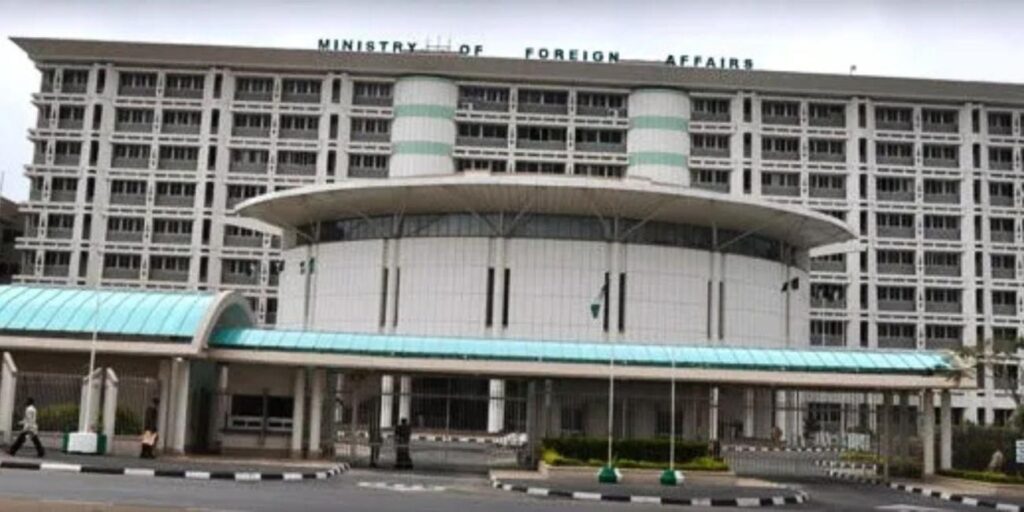
In a statement released by the Ministry of Foreign Affairs and signed by its spokesperson, Kimiebi Ebienfa, the government admitted that several missions have been unable to meet their obligations, including payment of locally recruited staff, allowances for Nigerian officers, and rents owed to landlords and service providers.
The statement noted that the ministry is fully aware of the setbacks caused by inadequate funding, which has made it difficult to meet financial commitments to landlords, service providers, local employees, and foreign service officers.
Ebienfa explained that years of insufficient allocations have weakened the ability of Nigerian missions to effectively deliver on their diplomatic responsibilities, stressing that the problem mirrors the wider economic challenges facing the country.
He stated: “It is pertinent to note that Nigerian foreign missions are not insulated from the economic realities at home and the challenges affecting government operations. The current financial situation arises from prolonged budgetary constraints, resulting in shortfalls in allocations.”
Despite the crisis, Ebienfa assured Nigerians both at home and abroad that the welfare of officers serving overseas and their families remains a key concern for President Tinubu’s government.
According to him, “The administration is adopting decisive and concrete measures to address the problem of funding for missions abroad. Special intervention funds have already been released to ease the financial pressure on affected missions.”
He disclosed that more than 80 per cent of available resources had been disbursed, with attention given to payments for service providers, settlement of local staff salaries, and clearance of officers’ allowances.
To ensure accountability, a verification committee was set up to review the debt profiles of missions and confirm the authenticity of claims before payments were made.
Ebienfa further revealed that the ministry has been engaging with the Office of the Accountant-General of the Federation to recover shortfalls recorded in the 2024 budget, largely attributed to exchange rate fluctuations following monetary policy reforms.
He added that, “To cushion the impact, President Tinubu’s administration approved the settlement of the shortfall. The first tranche of payments has been released, with some missions confirming receipt.”
The ministry also disclosed that approval has been granted for a second tranche of funding, while coordination is ongoing with the Ministry of Finance and the Central Bank of Nigeria to ensure speedy release of personnel and overhead costs within the week.
According to the ministry, work is also underway to establish a more sustainable financial model for Nigeria’s diplomatic missions, in line with government reforms aimed at better fiscal management and efficient allocation of national resources.
“These interventions form part of the wider public sector financial reforms being implemented by the Federal Government to strengthen fiscal discipline and improve governance. We are optimistic that the current difficulties are temporary and will be resolved through the combined efforts of this administration,” Ebienfa concluded.
The ministry reaffirmed Nigeria’s dedication to maintaining strong diplomatic ties and safeguarding the welfare of its citizens across the globe.
Join our WhatsApp Channel for more news updates