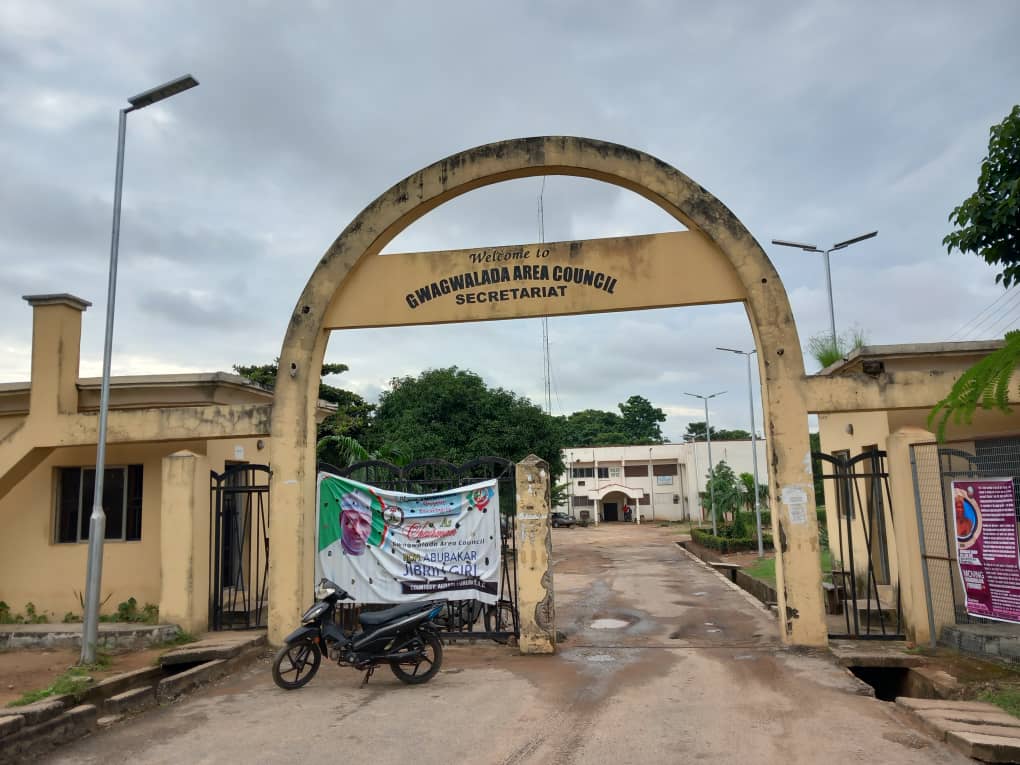
A wave of outrage is rising in the Federal Capital Territory as concerned citizens and community advocates call out what they describe as systemic marginalization of the indigenous people of the FCT, particularly in Gwagwalada Area Council.
In a powerful statement made available to Chronicles Reporters, Sani Usman Zakariyya, also known as ManUtd CrownPrince and a prominent youth voice in the region, condemned the continued political sidelining of Abuja’s original inhabitants, warning that the silence of leaders and political actors is enabling injustice to thrive.
“The inaction of those who could have acted for the indigenous people of Gwagwalada Area Council has made it possible for evil to triumph in their ancestral homeland,” Zakariyya stated. “This is happening even as their people continue to demand more representation at the national level due to the constitutional marginalization of the FCT.”
Unlike Nigeria’s 36 states, each of which has three senators and multiple House of Representatives members, the FCT remains limited to just one senator and two representatives, despite having a population and complexity that rivals some states. Some states such as Kano, Lagos, Katsina, Jigawa, and Oyo have over ten representatives in the lower legislative chamber.
Zakariyya noted that this disproportionate structure significantly undermines the voices of FCT’s indigenous communities, especially in areas like Gwagwalada where the council chairmanship serves as one of the few political platforms for local representation.
“With this unfair treatment, it becomes unhealthy—if not unjust—to strip away the only remaining indigenous position at the grassroots level that reflects and represents their pain, history, and hopes,” he added.
The statement further highlights the activities of a grassroots civic movement, Dobiza Dobiza, which is reportedly initiating direct action to challenge political inaction and perceived betrayals of public trust.
“Dobiza Dobiza is taking direct action against incompetency, injustice, and political cowardice that have failed to align with the will of the people. I think they are done watching,” Zakariyya said.
Although he hails from Kogi State, Zakariyya emphasized that his stand is based on principle, not ethnicity.
“I’m an Igala man, and we don’t support injustice and cowardice—never. I would not accept such a situation in my own state where we have a functioning state assembly and numerous representatives. Why should it be tolerated in the FCT, which has none of these?”
He concluded with a critical reflection on the vulnerability of FCT indigenes in the current political system.
“If the FCT had more representatives, it would be more difficult for outsiders to displace indigenous stakeholders from their rightful positions. But as it stands, the imbalance has left them exposed.”
The statement, signed by Zakariyya and circulated widely on social platforms, has sparked conversations among civil society groups, political observers, and community leaders who have long expressed concern about the political future of the FCT’s native population.
As Nigeria edges closer to another election cycle, the debate around equitable representation for FCT indigenes is once again front and center. Whether the national leadership will address these long-standing grievances remains to be seen.