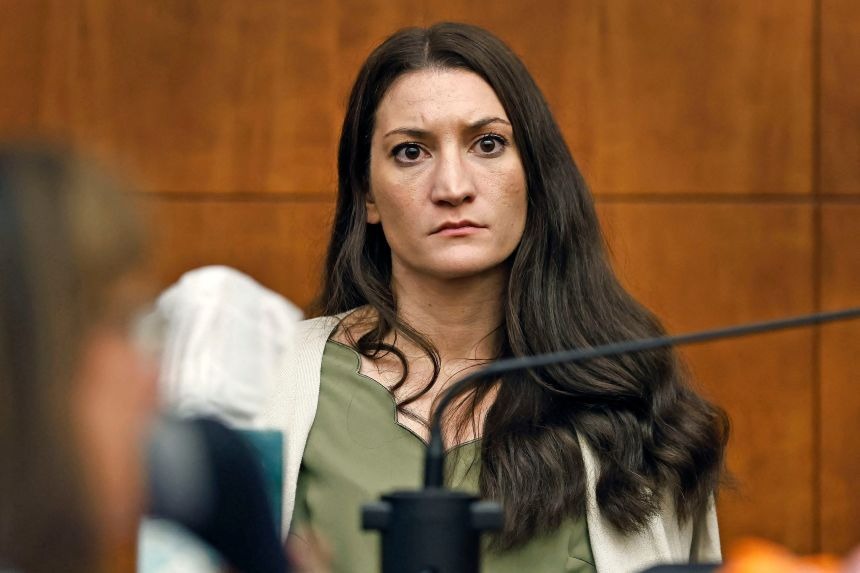
The Lindsay Clancy case has taken another extraordinary turn — not inside the courtroom, but online, where more than $1.2 million has been raised from over 35,000 donors in a wave of public sympathy following the collapse of her murder trial in Massachusetts.
Clancy, a former labour and delivery nurse, was accused of killing her three young children — five-year-old Cora, three-year-old Dawson and eight-month-old Callan — at the family’s Duxbury home in January 2023.
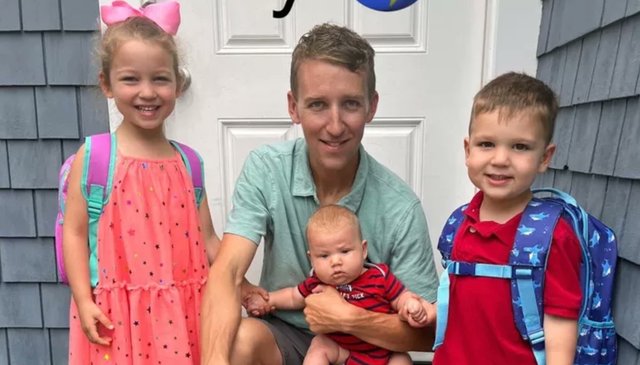
The children died after being strangled, according to prosecutors, and Clancy subsequently attempted suicide by jumping from a second-storey window. She survived but suffered severe injuries.
Clancy has acknowledged killing the children, but her defence has argued that she was not criminally responsible because she was suffering from severe postpartum psychosis at the time. Prosecutors, however, argued that the killings were deliberate and that Clancy understood the nature and wrongfulness of her actions.
After weeks of testimony, the case ended without a verdict.
A Massachusetts jury deliberated for roughly 38 hours over seven days but ultimately failed to reach the unanimous decision required for a verdict. Judge William Sullivan declared a mistrial on September 4 after it became clear that the jury remained deadlocked. The mistrial does not amount to an acquittal, and prosecutors can still decide whether to pursue a retrial.
Then came the astonishing public response.
Within days of the mistrial, the Musgrove Family Fund, a GoFundMe campaign created to support Clancy’s parents, surged past $1.2 million, attracting donations from more than 35,000 people. The campaign’s target has since been increased to $3 million.
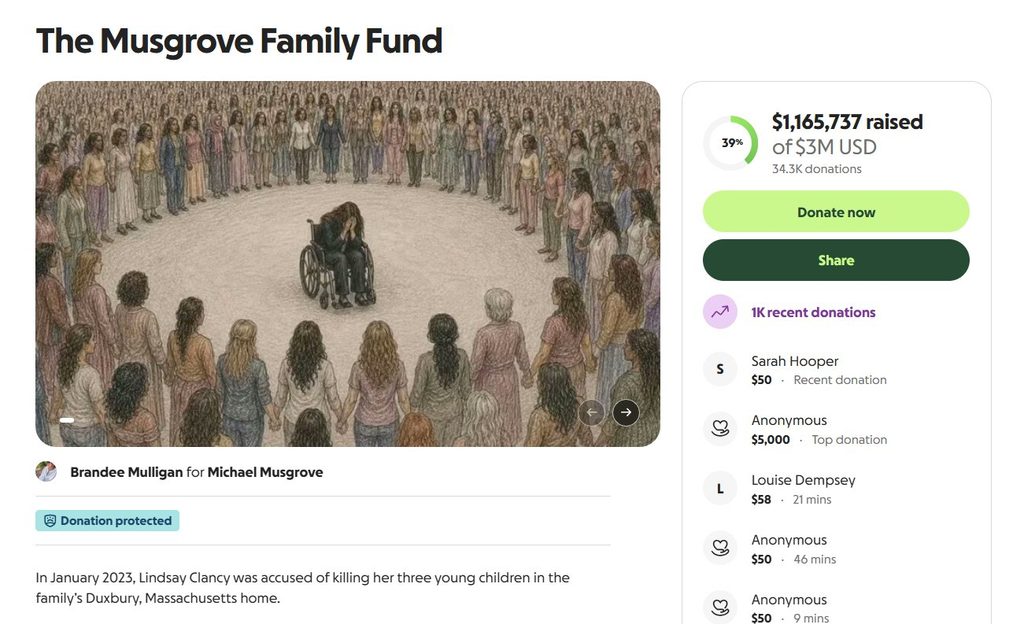
The fundraiser was reportedly launched by Brandee Mulligan, a Wisconsin woman with no family connection to Clancy. Mulligan has said the money is intended for Clancy’s parents and not for their daughter’s legal defence. She described the parents as victims of the tragedy themselves, pointing to the emotional and financial burden they have endured throughout the case.
But the extraordinary fundraising has raised an uncomfortable question: why has Lindsay Clancy generated such intense sympathy?
The answer appears to lie partly in the competing narratives surrounding the case.
To Clancy’s supporters, she is not simply a mother accused of a horrific crime. She is a woman whose defence says she experienced a devastating psychiatric disorder following childbirth — one that allegedly robbed her of contact with reality.
Postpartum psychosis has become a major part of the public discussion surrounding the case. The defence presented evidence about Clancy’s mental deterioration and psychiatric treatment, arguing that her condition affected her ability to understand her actions.
The prosecution presented a fundamentally different picture, arguing that Clancy planned the killings and understood what she was doing.
That clash — mental illness versus criminal responsibility — has made the case far bigger than one courtroom in Massachusetts.
It has become a national argument about motherhood, psychiatric illness, the criminal justice system and whether compassion for a mentally ill accused person can coexist with outrage over the deaths of three innocent children.
And the numbers surrounding the fundraiser have made that debate even more explosive.
More than 35,000 people have now voluntarily contributed money to a cause connected to a woman accused of killing her own children. The response is remarkable precisely because the victims were children and because the case remains unresolved.
There has been no acquittal.
There has been no conviction.
There has been no final judicial determination that postpartum psychosis made Clancy legally incapable of being held responsible for the deaths.
Instead, there is a deadlocked jury, a mistrial and the possibility of another trial.
Yet thousands of people have already made their own decision about where their sympathy lies.
For some, supporting Clancy’s parents is not the same as supporting the alleged killings. They argue that her parents did not commit the crime and should not be condemned to financial and emotional ruin because of their daughter’s actions.
For others, however, the sheer scale of the fundraising feels deeply unsettling — particularly because three children, Cora, Dawson and Callan, cannot speak for themselves.
That tension is now at the heart of the Clancy phenomenon.
The case has exposed an uncomfortable reality about modern true crime: public opinion can move at breathtaking speed, often long before the legal system reaches a final conclusion.
A courtroom may demand evidence beyond a reasonable doubt.
The internet demands a position.
And in Lindsay Clancy’s case, tens of thousands of people have chosen to give money, sympathy and attention to one of the most disturbing criminal cases in recent American history.
The question now is not simply what happened inside the Duxbury home in January 2023.
It is why, after three children died and a jury failed to reach a verdict, so many strangers feel compelled to stand behind the woman accused of killing them.