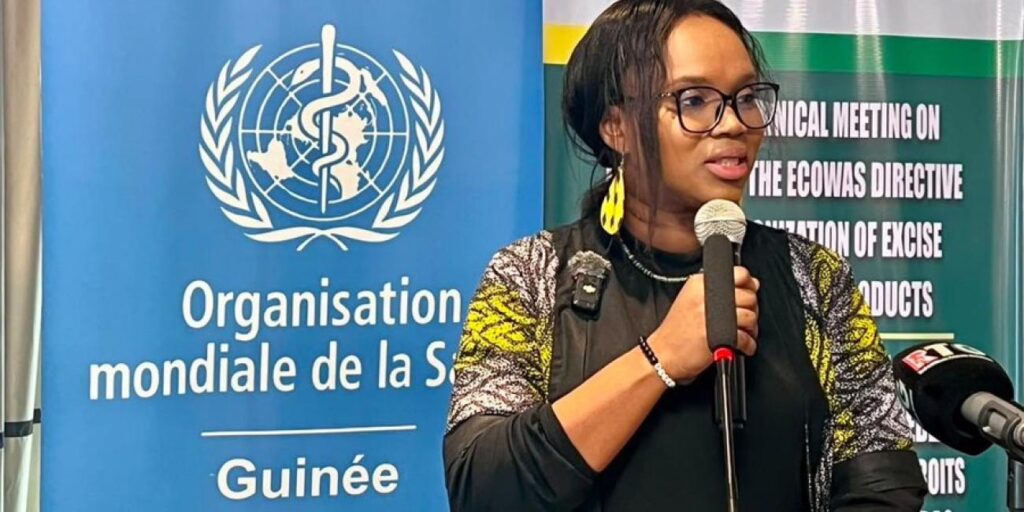
The Economic Community of West African States (ECOWAS) has convened a regional meeting in Conakry, Guinea, to review its directive on excise duties for tobacco products, as concerns grow over the rapid emergence of new nicotine products and the persistent challenge of illicit tobacco trade across West Africa.
The three-day meeting, held from August 10 to 12, 2026, was organised by ECOWAS in collaboration with the World Health Organization (WHO), with technical support from the World Bank.
The gathering brought together representatives from ECOWAS member states, the ECOWAS Commission, the West African Economic and Monetary Union (UEMOA), WHO, the African Tax Administration Forum (ATAF), the West African Tax Administration Forum (WATAF), the World Bank and other relevant stakeholders.
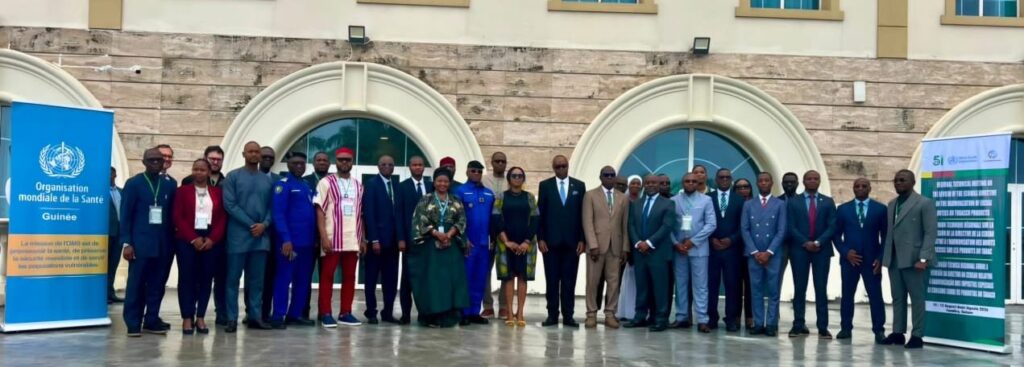
Discussions focused on assessing the implementation of the 2017 ECOWAS Directive on Excise Duties on Tobacco Products and determining whether the existing regional framework remains effective in addressing changes within the tobacco and nicotine industry.
Participants examined the need to strengthen tobacco taxation policies in response to emerging products such as electronic cigarettes, vaping devices, heated tobacco products, nicotine pouches and other novel nicotine alternatives that were not widely covered when the directive was introduced.
ECOWAS said the review was aimed at helping member states develop a stronger and more adaptable regulatory framework capable of responding to changing market trends, improving tax collection and strengthening tobacco-control measures.
The regional body noted that differences in tobacco tax structures among neighbouring countries could create loopholes exploited by manufacturers and illicit traders who move products across borders to avoid taxation.
Tobacco excise duties, which are special taxes placed on products such as cigarettes, cigars, shisha and other tobacco-related goods, serve both economic and public health purposes by generating government revenue while increasing product prices to discourage consumption.
Across ECOWAS member states, including Nigeria, governments have relied on tobacco taxation as part of broader efforts to reduce tobacco use and protect public health.
However, the region continues to face challenges from illegal tobacco markets, which deprive governments of revenue, weaken regulatory enforcement and create unfair competition for legitimate businesses.
ECOWAS said illicit trade remains a major concern due to West Africa’s extensive borders, informal trading networks and differences in enforcement capacity among countries.
Smuggled and counterfeit tobacco products often bypass tax obligations and regulatory checks, making it difficult for authorities to track their sources, monitor distribution channels and ensure compliance with safety standards.
The 2017 ECOWAS Directive on Excise Duties on Tobacco Products was introduced as part of efforts to harmonise tobacco taxation policies across the region and create a common approach among member states.
However, implementation has differed from one country to another, while rapid changes in the nicotine market have created additional regulatory challenges.
The increasing popularity of alternative nicotine products has raised questions over their classification, taxation and regulation, with authorities facing pressure to update existing laws to reflect new realities in the industry.
The outcome of the Conakry meeting is expected to contribute to the development of a more effective regional tobacco taxation system that can address emerging products, improve enforcement and reduce the impact of illicit tobacco trade across West Africa.