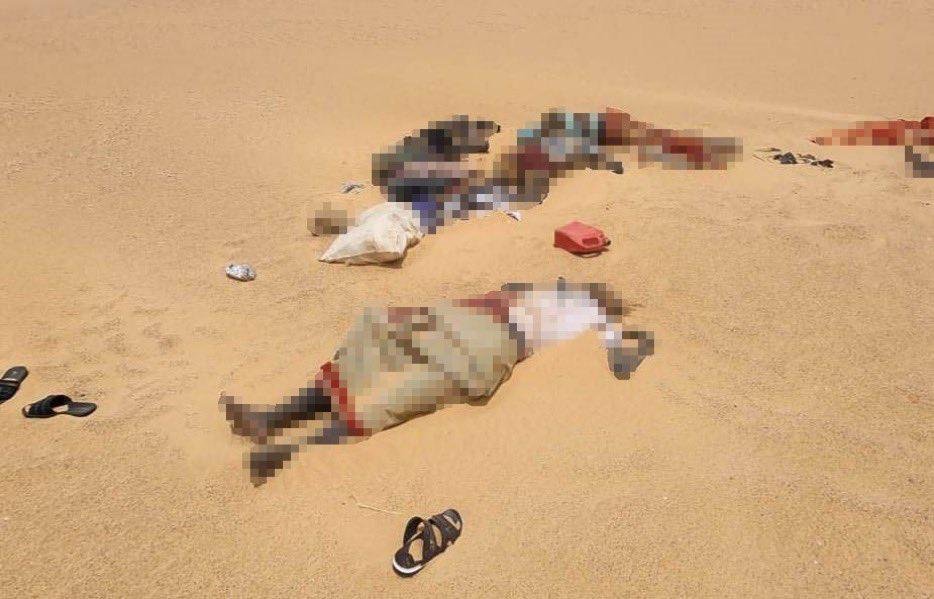
At least 49 Nigerians have died in one of the deadliest migrant tragedies recorded in the Sahara Desert this year after the truck conveying them broke down in a remote and unforgiving stretch of desert while returning from Mali.
The victims were reportedly among a larger group of West African travellers making their way through northern Niger when their vehicle developed a mechanical fault in an isolated area far from any settlement. Stranded under scorching temperatures and with little or no access to water, the passengers were left at the mercy of the harsh Sahara environment.
Authorities said the travellers became trapped for several days as temperatures soared above normal desert levels. With food and water supplies exhausted, many gradually succumbed to dehydration and extreme heat. Rescue efforts came too late for dozens of the passengers whose bodies were later discovered scattered across the desert landscape.
In a remarkable tale of survival, two members of the group reportedly undertook a desperate trek of more than 50 kilometres through the barren desert in search of help. Battling exhaustion, thirst and the risk of death, the survivors eventually reached a location where they found water and alerted local authorities to the unfolding disaster.
Emergency responders were subsequently dispatched to the area, where they recovered the bodies of at least 49 Nigerians. A number of survivors were also rescued and transported to medical facilities for urgent treatment.
The tragedy has once again highlighted the deadly risks faced by thousands of Africans who undertake perilous journeys across the Sahara each year. Humanitarian organisations have repeatedly warned that the vast desert has become one of the world’s deadliest migration routes, with many deaths going undocumented due to the remoteness of the terrain.
Security and migration experts say vehicle breakdowns, lack of water, extreme temperatures, and the absence of communication networks frequently turn minor emergencies into mass-casualty incidents in the desert. In many cases, stranded travellers die before help can reach them.
The latest disaster has sparked renewed calls for stronger regional cooperation among West African governments to improve migrant safety, monitor desert routes and combat the activities of smugglers who often transport vulnerable passengers through dangerous and poorly regulated corridors.
As families across Nigeria await official identification of the victims, grief has spread through communities believed to have lost loved ones in the tragedy. The incident stands as another grim reminder of the human cost of dangerous migration routes and the unforgiving nature of the Sahara Desert, where a simple vehicle breakdown can quickly become a fight for survival.
Officials in Niger have continued efforts to identify all the victims while investigations are underway into the circumstances surrounding the fatal journey.