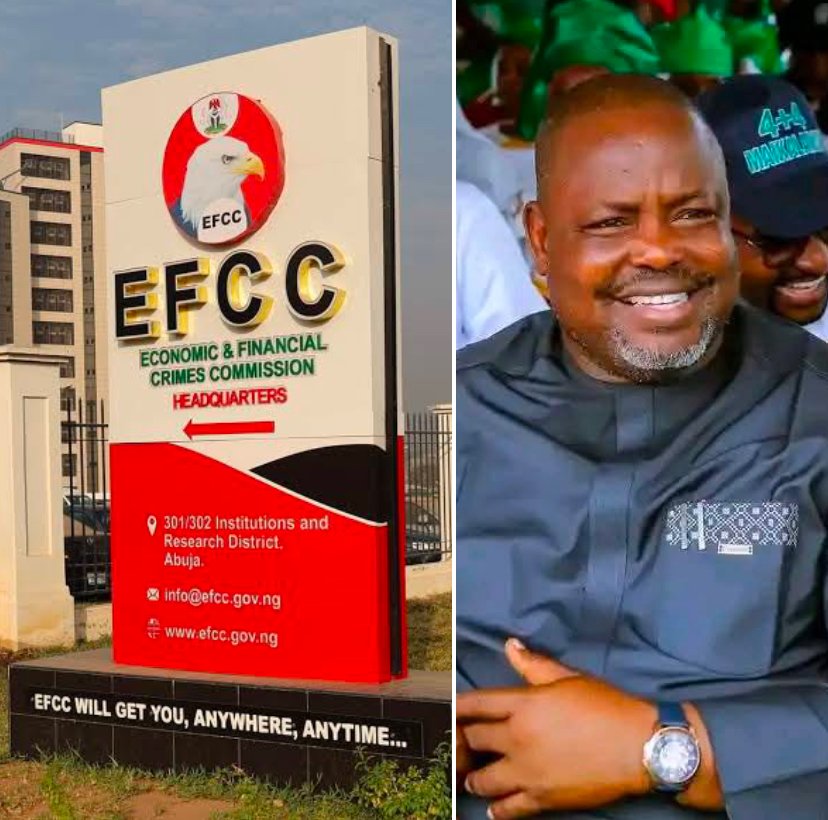
A fresh storm is brewing in Kwali Area Council, and this time, it is not political rhetoric—it is a full-blown anti-corruption crackdown that threatens to shake the very foundation of Chairman Danladi Bomboi Chiya’s administration.
According to a viral disclosure published by the Facebook platform Kwali Politics, no fewer than 37 staff members of the council have been summoned to report to the Economic and Financial Crimes Commission (EFCC) beginning Monday, May 4, 2026. The move marks what insiders describe as an unprecedented investigation into what has long been whispered in corridors of power, systematic diversion of public funds and deeply entrenched financial misconduct.
Among those named in the initial list are:
* Ayuba Alkali
* Amako Abdullahi
* Danladi Terah
* Mustapha Bazama
* Sadig Yewuti
* Comfort Sah
* John Obamila
Sources allege that even retired officials are not exempt from the widening net, suggesting that the rot may span several years of administrative dealings.
At the center of the controversy is a damning claim involving Kabiru Guniya, who is accused of allegedly walking away with as much as ₦15 million monthly after the disbursement of council allocations. While these claims remain unverified by official EFCC statements as of press time, they have ignited outrage among residents who say their communities continue to suffer neglect despite consistent federal allocations.
The accusations go further—painting a grim picture of what critics describe as “a well-coordinated system of financial leakage allegedly shielded by the highest office in the council.” The leadership of Chairman Chiya is now being openly described by opponents as “autocratic,” with allegations that dissent is suppressed while accountability is avoided.
For many in Kwali, this development is not just about corruption—it is about betrayal. Communities reportedly remain without basic infrastructure: no functional boreholes, inadequate classrooms, and failing electricity systems. Yet, against this backdrop of deprivation, the alleged scale of financial diversion has triggered anger and disbelief.
Attempts to reach the office of Chairman Chiya for comments were unsuccessful at the time of filing this report. Meanwhile, civil society observers and political stakeholders are calling for transparency, urging the EFCC to ensure that the investigation is thorough, impartial, and free from political interference.
This unfolding scandal could redefine political accountability in Kwali Area Council. If proven, it would not only indict individuals but also expose a governance structure that allegedly prioritized personal enrichment over public service.
As Monday approaches, all eyes are now on the EFCC—and on Kwali, where silence has finally been broken, and the shadows are beginning to speak.