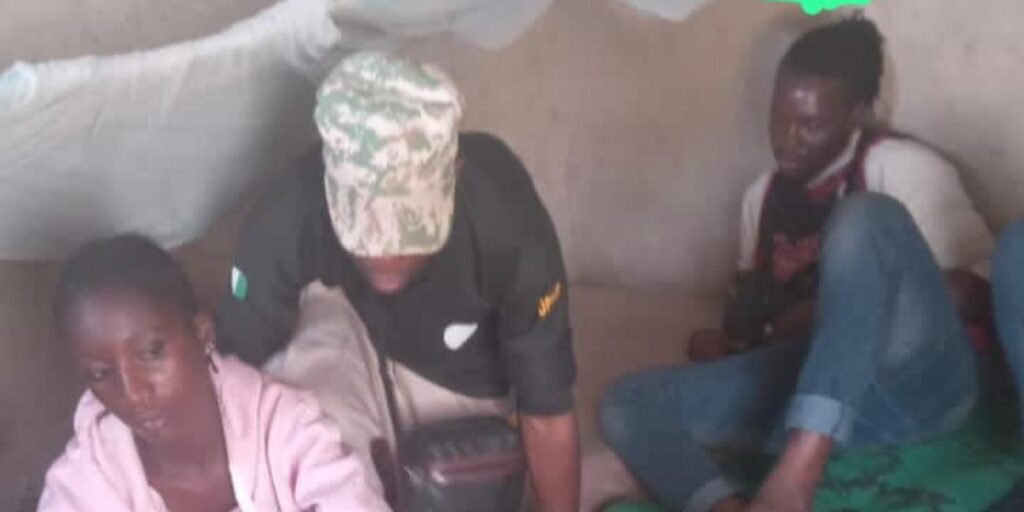
Three Nigerian youths travelling from Kano to Sokoto to visit detained IPOB leader, Nnamdi Kanu, have accused officers of the Nigeria Immigration Service (NIS) of arresting, detaining, and extorting money from them before abandoning them in Zamfara State.
According to one of the travellers, who identified himself as Cruise Naija, the incident occurred on Sunday when immigration officers stopped their vehicle at the entrance to Zamfara State. He alleged that after searching the vehicle, officers asked him and a colleague to step down and accused them of attempting to travel illegally to Libya.
Despite explaining that they were heading to Sokoto, he said the officers searched their bags and examined their phones. He further alleged that the situation escalated when officials found photographs of him with activist Omoyele Sowore and other campaigners on his device, after which his phone was seized.
The youths claimed they were detained for about seven hours and denied access to make calls. According to them, officers demanded ₦200,000 plus ₦30,000 for transportation before allowing them to continue their journey. After negotiations, the amount was allegedly reduced to ₦50,000.
They further alleged that two female travellers at the scene paid ₦230,000 under pressure. Eventually, the three youths said they transferred ₦30,000 through a Point-of-Sale (POS) operator before being released. However, they claimed the driver later stated he received only ₦3,000, leaving them stranded and forcing them to seek financial help to proceed.
As of the time of this report, the Nigeria Immigration Service has not issued an official statement regarding the allegations.
Meanwhile, earlier proceedings involving Kanu at the Federal High Court in Abuja saw Justice James Omotosho dismiss an ex parte application seeking his transfer from the Sokoto Correctional Facility after his counsel withdrew from the matter.
The latest allegations have sparked fresh concerns about the conduct of security personnel and the treatment of citizens during routine checks.