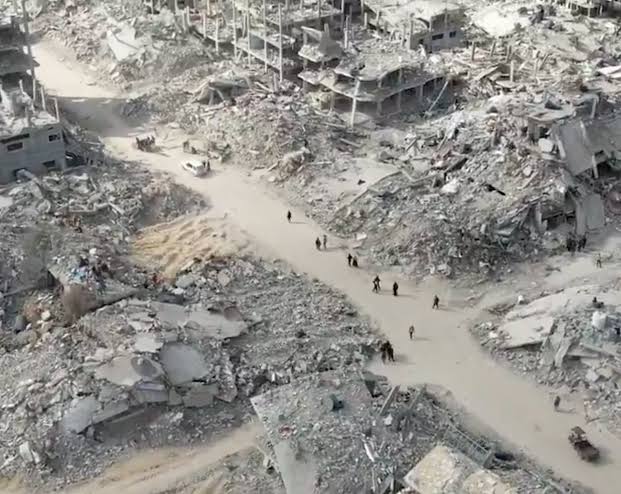
“Where they make a wasteland, they call it peace.” — Tacitus
A few days ago, a non-Muslim friend in Northern Nigeria asked a question that stayed with me. He did not want to assume or misrepresent a faith he did not belong to, yet what he witnessed daily left him confused. Bandits invoked Qur’anic verses, religious leaders justified women’s subjugation through scripture, and Hisbah officials enforced morality with violence. “You say this is not Islam,” he asked, “but they all quote Islam. So tell me, is it truly not Islam?”I hesitated.
My life has been shaped largely in Southern Nigeria, where religious extremism rarely erupts into public violence. I have never witnessed a lynching for alleged blasphemy, nor moral policing or gender surveillance. It would have been easy to respond defensively that these acts have nothing to do with Islam.
I begin in the name of Allah, the Most Merciful and Most Benevolent, and send blessings upon the Prophet Muhammad ﷺ, whose mission fundamentally challenged patriarchal oppression and affirmed the dignity and rights of women.
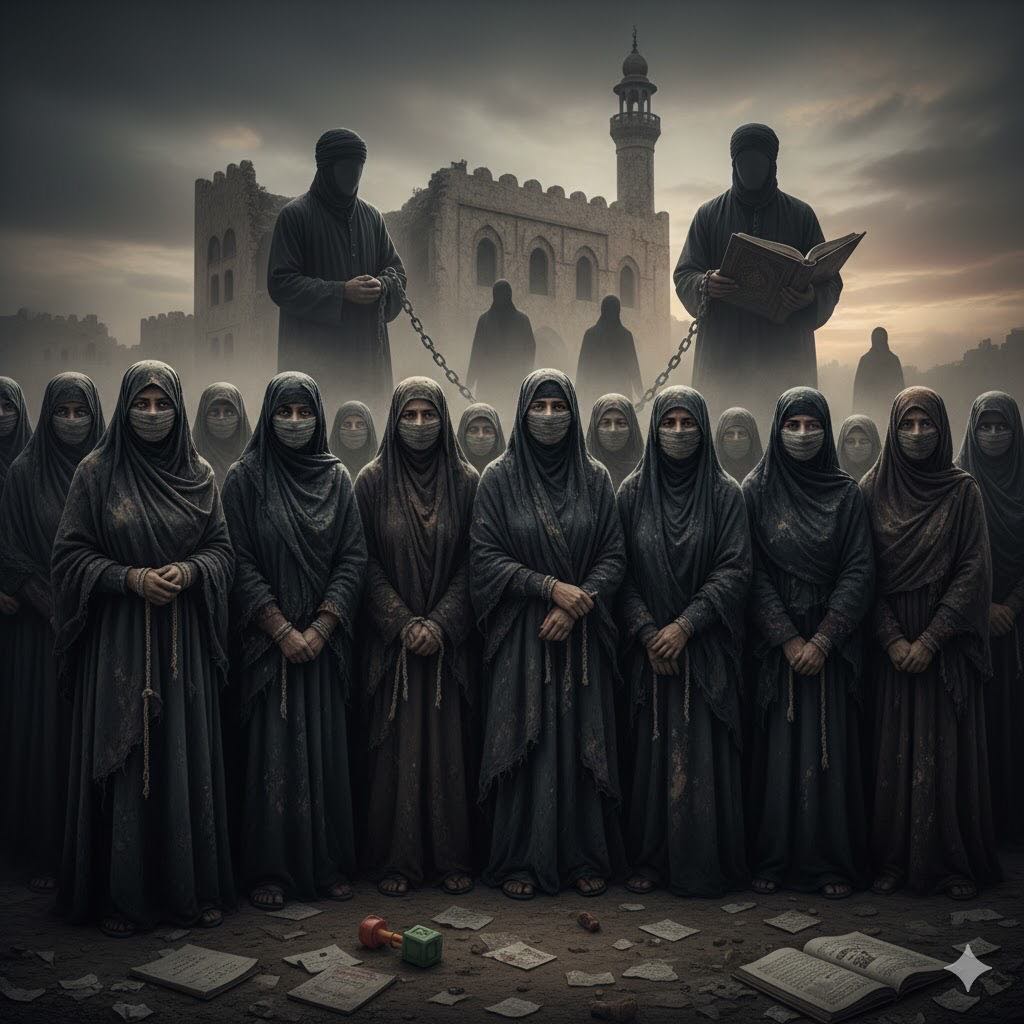
Across the Muslim world, violence committed in the name of Islam has become tragically familiar. From Taliban rule in Afghanistan to moral policing in Iran, from honor killings in Pakistan to guardianship laws in Saudi Arabia, and from extremist violence in Sudan to ISIS and ISWAP attacks across Africa, religion is repeatedly deployed as justification for coercion with gender often being the most reliable predictor of vulnerability.Reflecting on this, I cannot help but wonder how different my life might have been had I been born in regions where ideology routinely outweighs human life.
Most non-Muslims do not read the Qur’an, the Hadith, or Sharia texts. They encounter Islam as it is practiced. Daily interactions, social norms, and power relations shape their understanding. Muslims collectively narrate Islam to the world through their conduct. The pressing question is not only what Islam teaches, but which version dominates public life.
Nowhere is this tension clearer than in Northern Nigeria. Reports of forced and child marriages, maternal mortality from obstetric fistula and postpartum bleeding, and restrictions on women’s autonomy are disturbingly common. The lynching of Deborah Yakubu, the case of Ammaye, and countless other victims reveal how religious justification masks structural violence. Women, regardless of religion, bear the heaviest burden. But why are women consistently the primary casualties of religiously framed violence?
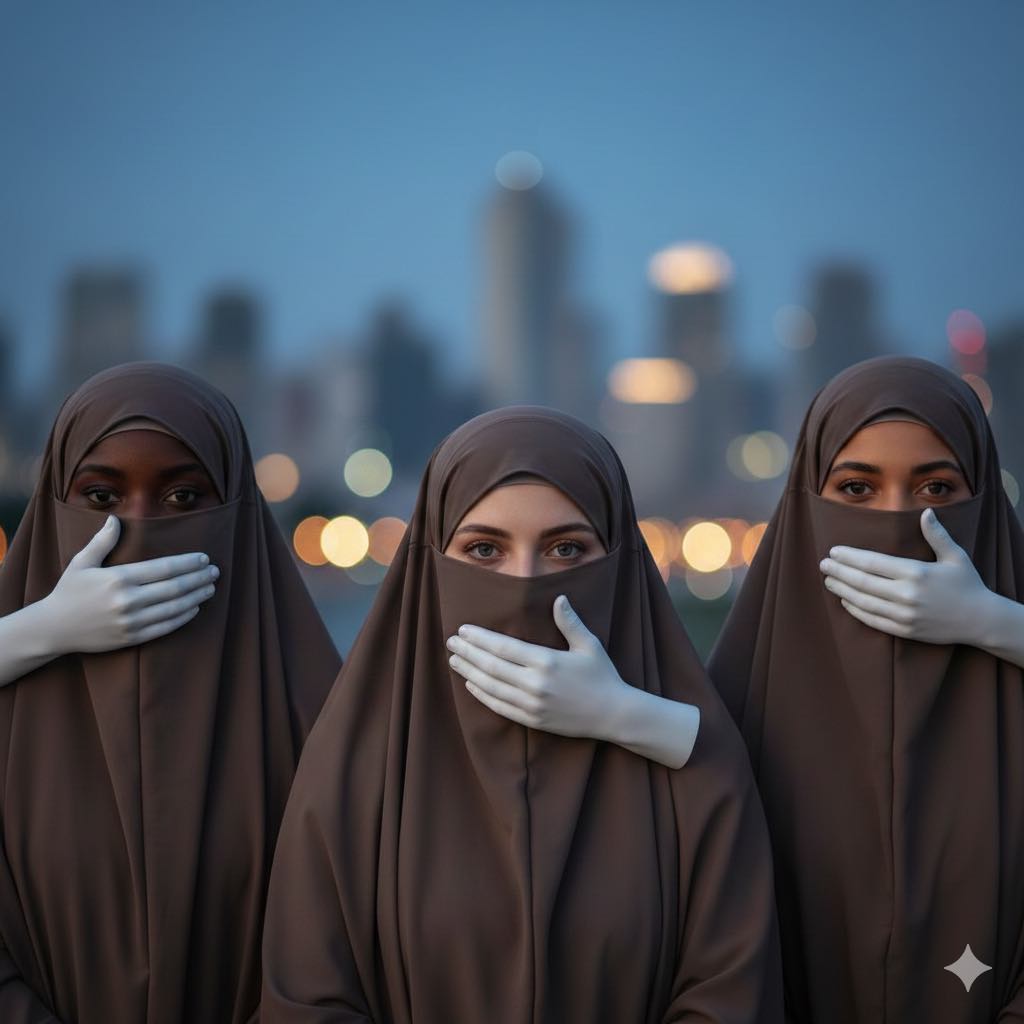
Patriarchy predates Islam. During Jahiliyyah, female infants in the Arabian Peninsula were often buried alive, seen as burdens incapable of warfare or leadership. Islam emerged as a rupture. The Qur’an affirmed women’s humanity, granting inheritance, education, consent in marriage, and legal agency. The Prophet Muhammad ﷺ condemned violence against women, emphasized their dignity, and included them as scholars, advisors, and participants in public life.Yet over centuries, patriarchal practices and politically motivated interpretations overshadowed these foundations. What was meant to protect women became a mechanism of control. In Northern Nigeria and beyond, oppression is framed as religious obligation, when it is more accurately ideological hijacking.
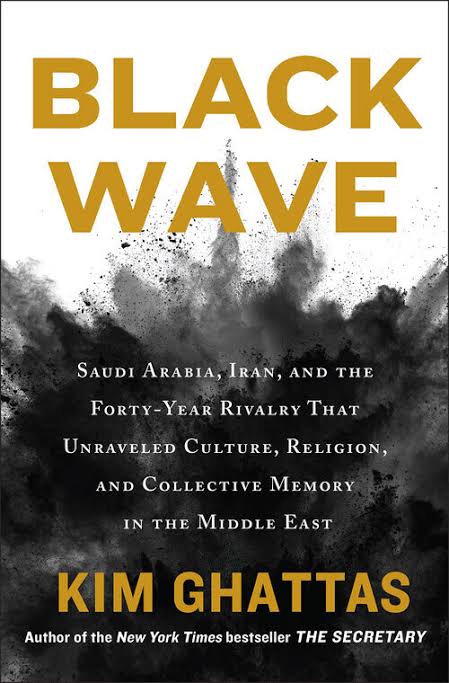
Kim Ghattas, in Black Wave, shows that much of what is treated as immutable tradition is historically recent and politically motivated. Following the Iranian Revolution of 1979, Saudi Arabia and Iran competed for dominance over Islam. Saudi Arabia exported Wahhabism and Salafism, emphasizing literalism, gender segregation, and social conformity. Iran advanced a revolutionary Shi’ism fusing religion with authoritarian governance. These forces narrowed interpretive space and recast faith as political discipline.
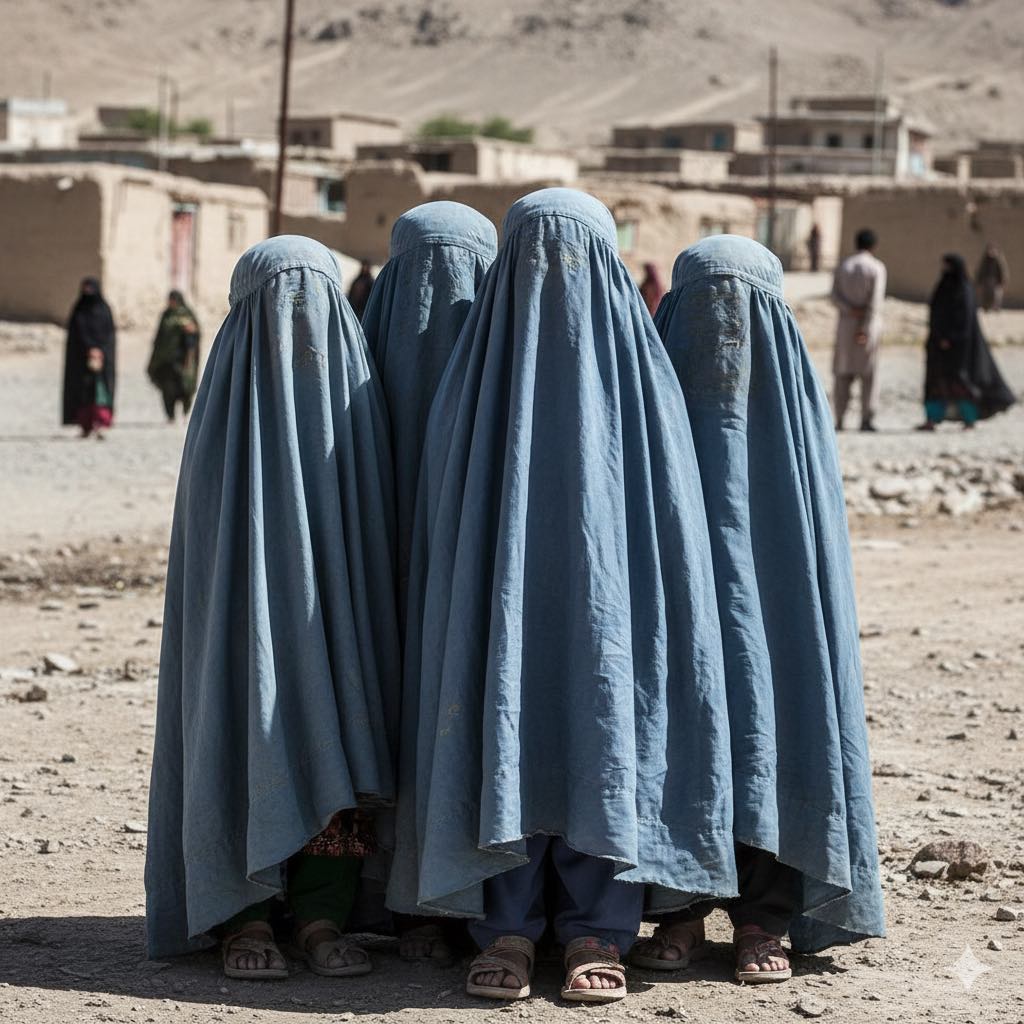
The conquest of women signaled ideological dominance. Women’s visibility, dress, education, and mobility became markers of ideological control. Veiling and segregation, once culturally varied, were elevated into political imperatives. Women’s bodies became sites where power was performed and normalized.
This explains Taliban governance denial of education to Afghan girls and the criminalization of women’s movement.They are not theological necessities but authoritarian enforcement. When a Taliban official stated that his daughters attend school because they “do whatever he tells them,” he articulated a worldview in which rights depend on obedience.This contradicts the Hadith: “Seeking knowledge is obligatory for every Muslim” (Sunan Ibn Majah, 224).
In Northern Nigeria, Hisbah enforcement similarly polices gender through punishment and public shaming. Girls are married before maturity, and women’s autonomy is curtailed under claims of modesty, despite the Hadith in Sahih Bukhari affirming that a woman’s consent is required for marriage.What is presented as religious continuity is, in reality, political control.
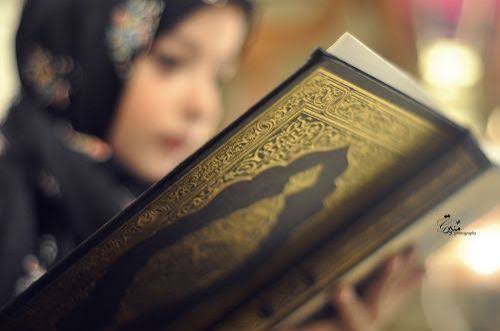
Early Islamic history contrasts sharply. Nusaybah bint Ka‘ab participated in battles and earned the Prophet’s prayer for her companionship in Paradise. Asma bint Abi Bakr, Umm Sulaym, Al-Shifa bint Abdullah, and Khawla bint al-Azwar held roles as scholars, administrators, and warriors. Al-Shifa was appointed to public office by Caliph Umar. Women’s leadership and public presence were not anomalies but accepted realities.Women also challenged authority.
When men monopolized the Prophet’s time, he set aside moments specifically to teach women. Women rejected unwanted marriages, owned property, voiced grievances, and transmitted religious knowledge.These realities show that contemporary gender repression does not reflect Islamic orthodoxy but selective textual mobilization to legitimize power.
Yes, the hijab is necessary for believing women, but criminalizing or killing women for not wearing it is akin to killing a Muslim man for wearing gold in all forms.
In Saudi Arabia, guardianship laws and restrictions on movement persist despite modernization narratives. Women depend on male approval for travel, work, and healthcare. Widows and elderly women without male relatives experience isolation and deprivation, not because Islam mandates it, but because governance prioritizes control over care. Similar patterns occur across Afghanistan, Iran, Northern Nigeria, Yemen, Sudan, Iraq, and Pakistan. Different cultures, similar mechanisms: morality policing, gendered punishment, selective jurisprudence, and silence from religious elites.
Women’s suffering is normalized as tradition, prompting many to seek justice outside Islamic settings.The struggles of Shah Bano Begum in India, which inspired the film Haq, illustrate this. Islam already outlines divorce requirements and a divorced woman’s entitlement to maintenance, yet it took a decade-long Supreme Court battle to secure her rights. Such abuse of divinely granted rights is not unique to India but persists across many Muslim-majority countries and the consequences are profound.
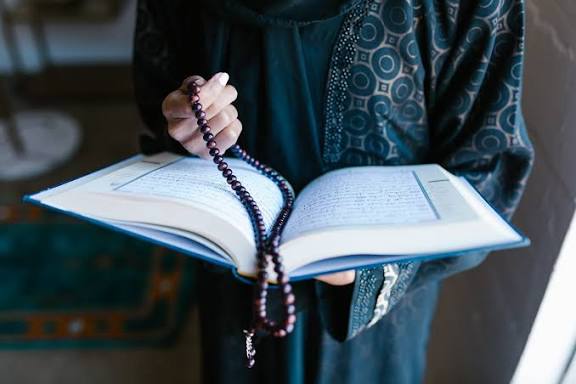
Islamophobia thrives not solely because of external prejudice, but because internal accountability is absent. Allowing coercive interpretations to dominate public representation collapses Islam into a caricature. Ghattas shows that what many experience as “Islamic tradition” is historically recent, politically motivated, and deeply contested. Neo-Islamic governance did not emerge organically from scripture. It was engineered through rivalry, fear, conquest, and consolidation of power, with women paying the highest cost.
Unerstanding this distinction matters, especially for non-Muslims. Violence against women in these contexts is not evidence of Islam’s essence but of its capture. Until this reality is confronted, women will continue to pay the price for struggles driven not by God, but by greed and the desire for dominance by men.
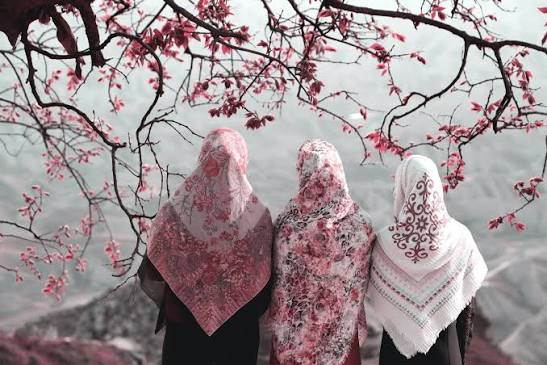
The fight for Afghan, Iranian, Pakistani, Indian, Northern Nigerian, and countless other women is not merely about dress or education. It is about reclaiming meaning from power and disentangling faith from domination. It is about insisting that a religion that once mandated justice cannot be reduced to a tool of control without resistance.
Nusrat Lasisi is a Women’s right advocate and storyteller. She can be contacted via nusratlasisi2000@gmail.com or on X, Facebook and Instagram @NusratDreteller