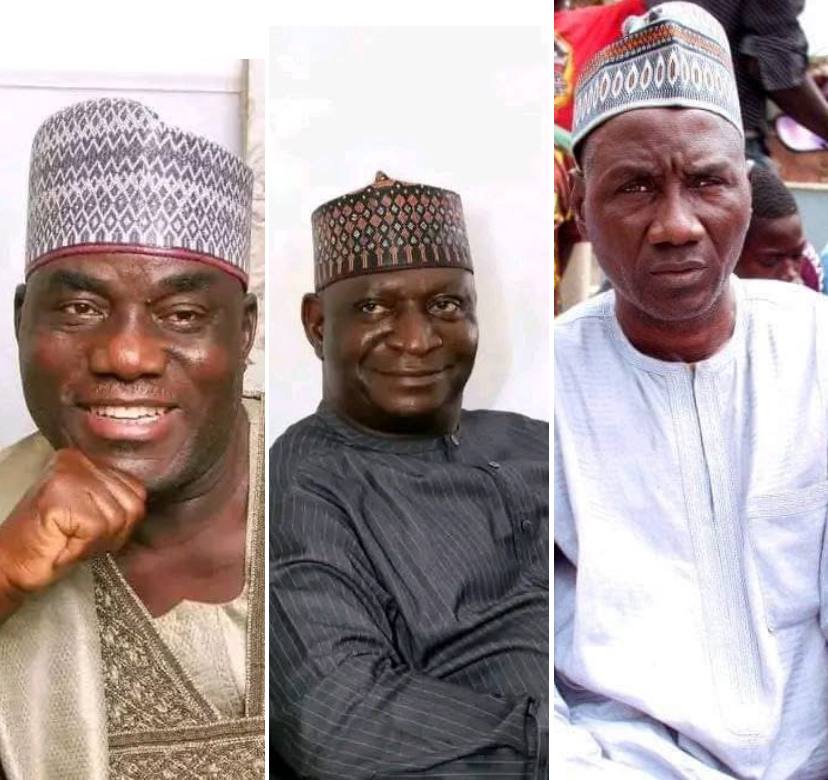
“We call ourselves indigenes, our chairmen are indigenes, but our people in the villages are still drinking bad water in 2026. #sulbrax” — this was the unfiltered post shared by Ibrahim Suleiman Brade, former APC stakeholder and Labour Party Chairmanship Candidate, that has ignited outrage across Gwagwalada communities.
Brade, who lost out on the APC chairmanship ticket reportedly due to financial capacity , had decamped to the Labour Party (LP) to contest the 2026 local government election. But LP was later removed from the ballot by the Independent National Electoral Commission (INEC) due to internal disputes, ending his official political ambition.
Despite being sidelined politically, Brade’s post has struck a chord with residents who continue to endure unsafe drinking water, broken boreholes, and contaminated streams in villages like Tungan Maje, Anagada, and alot of other villages. Many say this neglect exposes a disconnect between local leadership and grassroots realities.
A resident of Tungan Maje told Chronicles Reporters:
“We rely on dirty water for drinking and cooking. Our children fall sick often. The chairmen talk about development, but we see nothing here. It’s as if the villages don’t exist for them.”
Social media has been flooded with reactions to Brade’s post, One resident said: “This is 2026, yet we drink what our ancestors drank. Shame on those in power.”
Experts warn that the water crisis is more than a public health issue, it’s a governance failure. Dr. Danjuma, a water resources consultant in the FCT, said:
“Safe water provision is a basic right. When rural communities are neglected, it undermines trust in governance and exacerbates inequality.”
Political analysts note that Brade’s post could shape voter sentiment in Gwagwalada, especially as the elections approach and citizens weigh service delivery against political promises.
Attempts by Chronicles Reporters to get comments from the current Gwagwalada council chairmanship office were unsuccessful, leaving residents to wonder when, if ever, the water situation will improve.
As Brade’s post circulates online, the broader question remains: can Gwagwalada leadership address the decades-long neglect of rural communities, or will villagers continue to pay the price of governance failures with their health?