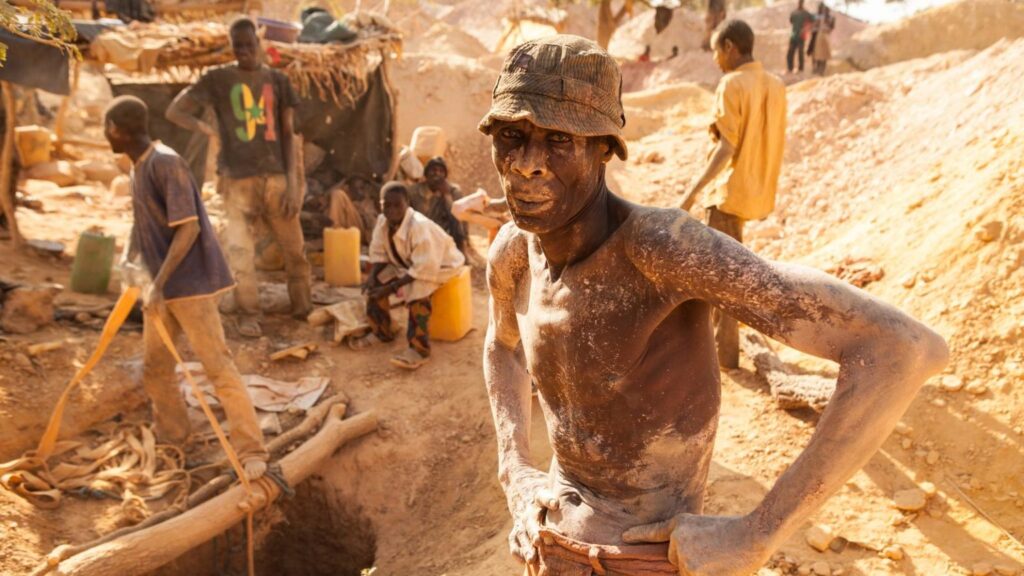
The Miners Association of Nigeria (MAN) has rejected the proposed suspension of mining activities by northern governors, warning that such a move would deepen insecurity, destroy livelihoods, and undermine legitimate operators in the sector.
MAN made its position known in a statement on Monday, jointly signed by its National President, Dele Ayankale, and National Secretary, Sulaiman Liman. The association was reacting to the recent decision of the Northern States Governors’ Forum to call for a six-month suspension of mining activities following renewed cases of kidnappings, killings, and the abduction of schoolchildren in parts of the region.
The governors had identified illegal mining as a major contributor to insecurity and said the suspension would allow for a comprehensive audit and revalidation of mining licences in collaboration with state governments. However, MAN argued that the governors’ approach unfairly targets the entire mining sector rather than addressing the root problem.
According to Mr Ayankale, only illegal mining operations have been linked to terrorism and criminal financing, not duly licensed and regulated mining companies. He said blanket bans tend to punish lawful miners while providing more opportunities for illegal operators to thrive.
Citing the 2019 ban on mining in Zamfara State, Mr Ayankale said previous suspensions failed to curb insecurity and instead worsened banditry, kidnappings, and terrorism, which later spread to neighbouring states including Katsina, Kaduna, Niger, and Kebbi.
“It is the disorderly, illegal mining that operates outside government regulation that fuels insecurity and money laundering. There must be a clear distinction between legal and illegal mining. Tagging mining as the cause of insecurity is a misnomer,” he said.
He warned that another ban would result in mass unemployment, increase multidimensional poverty, and exacerbate insecurity, noting that legitimate miners and their workers are usually the worst affected.
According to him, illegal miners—often linked to criminal groups—continue to access mineral resources even during bans due to inadequate personnel and logistics for enforcement.
“Unrestricted access to mineral resources in banned locations empowers criminals, who exchange minerals for arms and ammunition to advance their activities,” Mr Ayankale said.
The MAN president further cautioned that the proposed suspension could derail the Federal Government’s efforts to attract investment into the solid minerals sector, particularly recent reforms aimed at improving transparency and global competitiveness.
He said MAN members work closely with security agencies, adhere to environmentally responsible mining practices, and contribute to rural development through statutory Community Development Agreements.
“Our members support infrastructure development in host communities and contribute meaningfully to economic growth. Calling for a ban at a time when investors are beginning to show interest is unfortunate and highly unpatriotic,” he added.
Mr Ayankale advised state governors to use part of their security votes or establish special intervention funds to strengthen the operations of Mining Marshals and other mechanisms already in place to combat illegal mining.
He also described the call for revalidation of mining licences as similar to agitations for resource control, which he said contradicts the Constitution.
“The Constitution clearly places the control and management of mineral resources on the Exclusive Legislative List,” he said.
He urged President Bola Tinubu to consider the wider implications of the proposed ban, warning that it could create more recruits for terrorist groups rather than solve Nigeria’s security challenges.