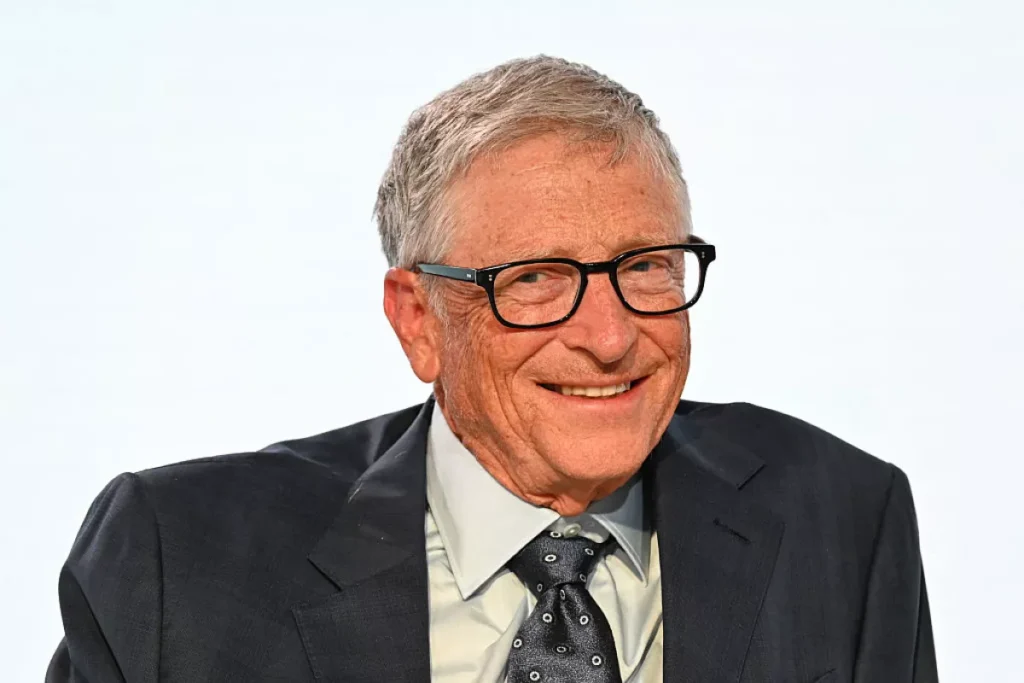
Across the African continent, concerns are growing over the extensive influence wielded by Bill Gates—not through technology, but via his philanthropic foundation’s reach into agriculture, governance, and food systems. What began as well-funded attempts to combat hunger through modern farming and health initiatives is now increasingly seen as fostering economic dependency, environmental damage, and political interference.
Through the Bill & Melinda Gates Foundation, Gates has channelled billions of dollars over the past two decades into efforts that promote industrial agriculture, genetically modified organisms (GMOs), and commercial farming inputs. One of the foundation’s flagship initiatives is the Alliance for a Green Revolution in Africa (AGRA), aimed at overhauling agriculture on the continent.
Though AGRA promotes itself as a hunger-fighting force that increases farm productivity, many on the ground disagree, pointing to consequences that raise serious concerns.
The AGRA Model and its Consequences
AGRA, launched in 2006 with strong support from the Gates Foundation, was envisioned as a modern agricultural revolution for Africa. It focused on high-yield seeds, synthetic fertilisers, and widespread use of chemical inputs, primarily targeting smallholder farmers.
However, nearly 20 years in, critics argue the outcomes have fallen far short of the promises. A 2020 study by Tufts University found AGRA had not achieved its stated goals. In fact, in some of the 13 African countries where it operated most actively, hunger worsened rather than declined.
“AGRA promotes a model that is costly and high-risk for farmers,” said Timothy Wise, the lead researcher on the Tufts report. “It’s helped corporations more than it has helped communities.”
Farmers lured into AGRA’s input-intensive approach often became trapped in debt cycles, unable to sustain the yearly cost of patented seeds and chemical fertilisers. Traditional practices such as seed saving were abandoned in favour of purchasing from multinational giants like Bayer and Syngenta.
“Farmers can no longer save seeds. They are now forced to buy them each season,” a local advocate lamented, adding that this dynamic erodes farmers’ autonomy and deepens their financial insecurity.
Threats to Food Sovereignty
Organizations like the Alliance for Food Sovereignty in Africa (AFSA) say that Gates-funded programmes are actively undermining agroecological practices—methods based on indigenous farming knowledge, biodiversity, and ecological sustainability. In their place, AGRA promotes monoculture farming and chemical usage that damage soil health, reduce biodiversity, and erode local food culture.
The AGRA model enforces a top-down approach, critics argue, where multinational corporations and private philanthropies set the agenda while local farmers are excluded from decision-making.
Environmentalists also warn that the long-term use of synthetic inputs is degrading soil quality and disrupting ecosystems. Initial gains in yield often taper off, leaving land exhausted, pest outbreaks more common, and crops less resilient to climate shifts.
A Growing Call for Accountability
One of the most serious concerns raised about Gates’ involvement in Africa is the lack of transparency and accountability. Critics argue that major decisions affecting millions of African farmers are being influenced by a handful of foreign actors with no democratic legitimacy.
“Bill Gates answers to no African government, no parliament, and no voters,” said one campaigner. “Yet he has a hand in shaping our food systems and agricultural policies.”
While the Gates Foundation insists it is championing science-based innovations to increase food security and climate resilience, there is mounting demand from African civil society for a complete reorientation. Farmers, scientists, and NGOs are calling for a shift toward agroecological investments, community-led innovations, and greater respect for land and seed rights.
The consensus is clear: food security must be built from the grassroots, not handed down by billionaires.
Influence Expands Beyond Agriculture
In July 2025, West Africa Weekly escalated the debate with a leaked brochure that linked NGOs associated with Bill Gates, the CIA, and the British intelligence agency MI6 to the drafting of Nigerian laws. The document claimed that foreign-backed organizations were involved in shaping legislation on food safety, health, taxation, and national security.
“This isn’t just influence; this is lawmaking by unelected foreign groups,” the publication noted.
While the Gates Foundation was not explicitly named as the author of the bills, it reportedly funds several of the NGOs involved. The Nigerian government has yet to publicly deny the claims, and silence from the organisations implicated has only intensified public concern.
Further complicating matters is the recent appointment of former Lagos State Governor Babatunde Fashola to the board of Resolve to Save Lives Nigeria (RTSL Nigeria)—an NGO that, since opening in Abuja in 2022, has received $46.5 million from the Gates Foundation, making up nearly half of its $96 million budget.
Fashola’s inclusion is seen by critics as part of a broader trend where former public figures transition into roles within heavily funded foreign-backed institutions. This has led to accusations of “philanthro-capitalism”—a system in which unelected billionaires exert outsized influence over public policies, especially in health and development.
Although Fashola is praised for his leadership during the 2014 Ebola outbreak in Nigeria, critics remain wary. RTSL Nigeria reportedly collaborates with 14 government agencies and 28 NGOs, including foreign entities, effectively shaping national policies through financial clout.
To many, this points to a deeper issue of state capture: a scenario where foreign interests steer public institutions away from the public good and toward private or geopolitical agendas.
“When billionaires and intelligence-linked NGOs are the ones writing our food and tax laws, it’s no longer a democracy,” a political analyst warned. “It’s colonialism with a corporate face.”
An Urgent Need for African-Led Alternatives
This emerging pattern poses a profound threat not only to Nigeria’s national sovereignty but also to broader concerns around health, food security, and democratic integrity.
Bill Gates’ activities in Africa are no longer viewed as simple acts of goodwill. As his foundation becomes more deeply involved in shaping public policy and regulation, the line between aid and undue influence is becoming increasingly difficult to ignore.
Whether it’s through AGRA’s disappointing legacy or quiet involvement in Nigeria’s legislative processes, one thing is becoming clearer: African countries are losing control over their own food and policy futures.
With new revelations coming to light, many are calling for a decisive break from externally driven models. The demand is for African-owned systems—built on the principles of community, sovereignty, and sustainability.
To stay updated on this story and more, follow us on our WhatsApp Channel:
🔗 https://whatsapp.com/channel/0029VabITrvEAKW7DSkTfP0J
Chronicles Reporters