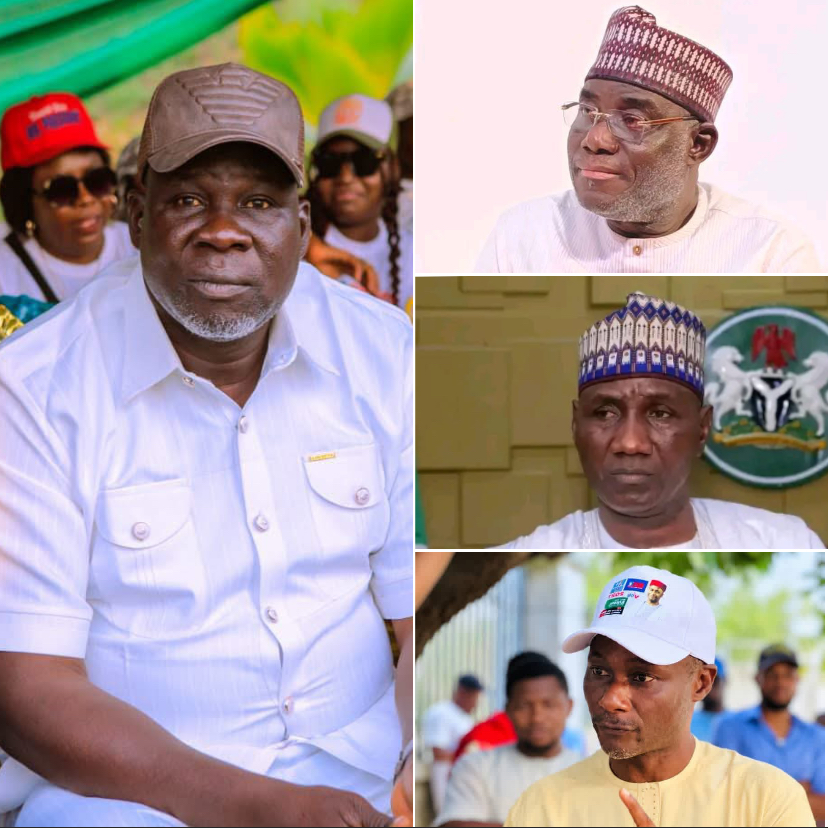
Information obtained by the Chronicles Reporters Investigative Desk from a close ally of former Gwagwalada Area Council chairman, Abubakar Jubril, popularly known as Abu Giri, and APC chieftain Zakari Angulu has exposed an alleged plot by some political actors within the All Progressives Congress (APC) in Gwagwalada to undermine the political standing of the incumbent council chairman, Hon. Kasim Mohammed, following the defeat of their preferred candidate, Usman Yahaya, in the last Area Council election.
The source, who serves as a media aide within the political circle of the individuals mentioned, disclosed the information to Chronicles Reporters but pleaded to remain anonymous for personal safety. According to the source, unresolved grievances over the election that produced Kasim Mohammed under the Peoples Democratic Party (PDP) have allegedly developed into a broader political struggle involving party loyalty, control of grassroots structures and the battle for relevance ahead of the 2027 general election.
The source alleged that Abu Giri, Zakari Angulu and other political actors dissatisfied with the outcome of the election are involved in political manoeuvring aimed at weakening Kasim’s influence in Gwagwalada and creating doubts about his political strength among influential figures in the Federal Capital Territory, particularly the FCT Minister, Nyesom Wike.
According to the disclosure, the alleged objective is to undermine the confidence of the minister in Kasim’s ability to mobilise grassroots support and sustain political cooperation ahead of the next general election. The source suggested that the dispute is not merely about the defeat of Usman Yahaya but also about the redistribution of political influence and the future balance of power within Gwagwalada’s political establishment.
The source further alleged that some of the actors involved are uncomfortable with Kasim’s emergence and growing political relevance, claiming that efforts are being made to create divisions among political stakeholders and weaken the council chairman’s relationship with influential members of the FCT political structure.
At the centre of the controversy is the allegation that individuals who publicly identify with one political arrangement may be pursuing separate interests behind the scenes, potentially creating conflicting loyalties within the political coalition expected to work together ahead of 2027.
The alleged manoeuvring has raised concerns about the stability of political cooperation under the Rainbow Coalition, where political actors from different parties have been associated with efforts to build electoral understanding across party lines. If the allegations are substantiated, the development could expose a struggle between public declarations of unity and private political calculations driven by unresolved electoral grievances.
Further information provided to Chronicles Reporters points to an alleged political connection between some of the APC figures and Kamal, the National Democratic Congress (NDC) candidate. The source claimed that political contacts involving Kamal and individuals dissatisfied with Kasim’s emergence could be part of a broader calculation to weaken the council chairman’s political position while preserving the influence of those who fear losing relevance in the emerging political arrangement.
The source alleged that the reported relationship could serve the interests of political actors seeking to challenge Kasim’s influence at the grassroots and complicate his ability to demonstrate political strength ahead of 2027. The disclosure also raised questions about whether personal disagreements within the APC are influencing political contacts beyond the party’s formal structure.
The alleged NDC connection has become a significant aspect of the unfolding political controversy because of the implications it could have for electoral cooperation and the credibility of political alliances. Any arrangement involving political actors from different parties to advance a common objective would need to be examined against the background of their publicly declared affiliations, campaign commitments and relationships with other coalition members.
For Kasim Mohammed, the controversy presents a challenge that goes beyond the immediate rivalry surrounding the last chairmanship election. His political standing within Gwagwalada and his relationship with influential figures in the FCT political establishment could become important factors in determining the strength of future electoral arrangements.
The allegations also raise questions about the role of personal ambition in shaping political decisions. Where political disagreements arising from an election are allegedly carried into subsequent campaigns, the consequences may extend beyond individual contestants to affect party structures, coalition relationships and the confidence of grassroots supporters.
The circumstances surrounding Usman Yahaya’s defeat appear to remain a source of tension among some political actors in Gwagwalada. The latest disclosure suggests that the political contest may not have ended with the announcement of the election result, but could have evolved into a struggle over who controls political influence and who remains relevant as the 2027 general election approaches.
Chronicles Reporters understands that political rivalry is a legitimate part of democratic competition. However, allegations that political relationships could be manipulated to undermine an elected council chairman, weaken confidence among political allies or advance private interests at the expense of broader electoral cooperation raise important questions about political accountability and the sincerity of public commitments.
The reported involvement of individuals from different political backgrounds also places the conduct of local political leaders under scrutiny. Political alliances are often shaped by negotiations and changing interests, but allegations of concealed arrangements intended to undermine existing partnerships could create mistrust among political stakeholders and complicate efforts to build a common electoral platform.
Abu Giri, Zakari Angulu, Kamal and other individuals mentioned in connection with the allegations have an opportunity to respond to the specific claims and clarify their political relationships and intentions. Any response from them will be relevant to the continuing examination of the reported developments in Gwagwalada.
As political activities gradually intensify ahead of the 2027 general election, attention is likely to remain on whether the actors involved will prioritise cooperation and declared political commitments or allow unresolved grievances from the last Area Council election to shape the next electoral contest.
For now, the central issue confronting Gwagwalada’s political establishment is whether the reported manoeuvring reflects a coordinated attempt to weaken Kasim Mohammed or a deeper struggle among competing political interests seeking control of the area’s emerging power structure.