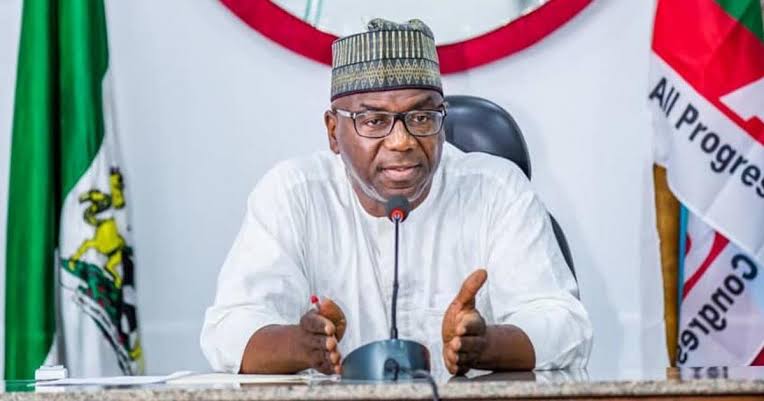
Afrobeats superstar David Adeleke, popularly known as Davido, has launched a sharp criticism of Kwara State Governor AbdulRahman AbdulRazaq over the governor’s claim that political access to President Bola Ahmed Tinubu is crucial to securing federal benefits for Osun State.
Davido, in a social media post, questioned the value of such access, accusing AbdulRazaq of failing to translate his proximity to the Presidential Villa into improved security and better conditions for the people of Kwara State.
The singer wrote: “Your accessibility to the villa brought nothing but insecurity to Kwarans … these so called leaders are watery.”
Davido’s comments followed remarks made by AbdulRazaq at an All Progressives Congress, APC, mega rally held as part of the party’s campaign ahead of the Osun State governorship election.
Speaking at the rally, the Kwara governor urged Osun voters to elect a governor capable of maintaining direct access to President Tinubu and using that relationship to attract federal projects, interventions and other benefits to the state.
AbdulRazaq said: “There is a need to have a governor that can go to Aso Rock and bring goodies to Osun State. You need a governor that has access to the President.”
The statement immediately became a subject of political debate, with Davido challenging the argument that proximity to the presidency automatically translates into good governance and tangible benefits for citizens.
In his response, the music star drew attention to the security situation in Kwara State, arguing that political accessibility to the presidency had not, in his assessment, delivered the expected benefits to residents.
Davido’s intervention adds another layer to the increasingly heated political exchanges surrounding the Osun governorship election, with security, federal connections, governance and the protection of voters emerging as major issues in the campaign.
The music star has remained publicly engaged in discussions surrounding the Osun election, where his family has longstanding political ties and where the contest has attracted considerable national attention.
Previously, SaharaReporters reported that Davido appealed to United States President Donald Trump and the international community to pay close attention to the forthcoming Osun governorship election amid concerns over possible violence, intimidation and disruption of the democratic process.
In the appeal, Adeleke urged the United States and other members of the international community to monitor developments surrounding the election and encourage Nigerian authorities to protect voters and ensure that the outcome of the poll reflects the wishes of the electorate.
“President Donald Trump, I am calling your attention to the situation in Osun State, Nigeria, as we approach the election,” the singer said.
Davido also expressed concern over the security situation surrounding the election, stressing that residents of Osun State should be able to exercise their constitutional right to vote without intimidation, violence or fear.
His latest criticism of AbdulRazaq has therefore brought the issue of political access to the centre of the campaign discourse, particularly the argument that a governor’s closeness to the presidency is a key requirement for attracting federal support.
While AbdulRazaq’s position focuses on the political advantage of having a governor who can directly engage the presidency and secure federal interventions, Davido’s response questions whether such access has translated into meaningful improvements for ordinary citizens.
The exchange also reflects the increasingly prominent role of celebrities and public figures in the political conversation ahead of the Osun poll, as competing parties intensify their campaigns and seek to influence voters.
With the election approaching, issues surrounding security, political influence, federal access, governance, voter protection and the credibility of the electoral process are expected to remain at the centre of public debate.
Davido’s latest remarks have further intensified that debate, turning a campaign argument about presidential access into a broader question over what Nigerians should expect from political leaders who claim close relationships with those at the centre of federal power.