China invited an American scholar to attend an academic conference. He arrived in the country on June 3. Instead of entering a conference hall, he was taken into custody at the airport.
Nearly 11 weeks later, Min Zin remains detained in China on allegations of espionage and endangering national security — allegations his family and colleagues strongly reject.
The United States has now formally declared Zin “wrongfully detained,” turning his case into a significant diplomatic issue ahead of Chinese President Xi Jinping’s planned visit to Washington.
Zin, a U.S. citizen and Myanmar scholar who leads the Institute for Strategy and Policy–Myanmar, travelled to Yunnan after receiving an invitation from the Chinese government to attend an academic conference in Kunming.
According to a senior U.S. State Department official, Zin had previously travelled to China for academic conferences and held a valid Chinese visa.
Then, shortly after his arrival, everything changed.
Zin had been communicating with his family and colleagues, updating them about his arrival and plans. Then communication suddenly stopped.
For roughly 48 hours, his loved ones reportedly had no idea where he was, whether he was safe or who had taken him.
Chinese authorities later informed the U.S. Embassy that Zin was under criminal investigation for allegedly endangering China’s national security. China’s Foreign Ministry subsequently confirmed that he was suspected of espionage and activities endangering national security.
Beijing has not publicly provided detailed evidence supporting the espionage allegations.
Washington, meanwhile, has taken the extraordinary step of formally classifying Zin as a wrongful detainee.
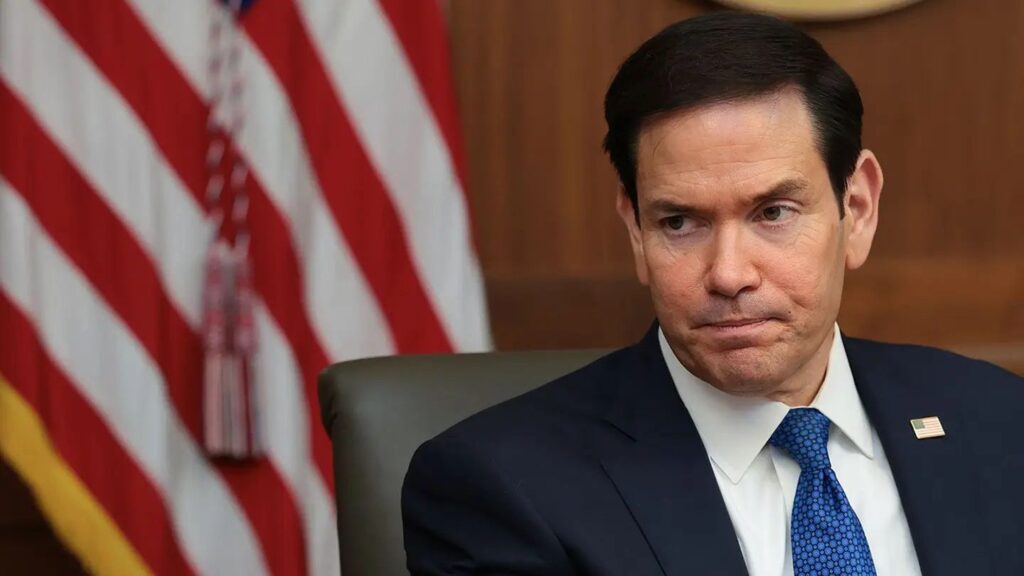
Secretary of State Marco Rubio made the designation after a review of the circumstances surrounding Zin’s detention. The State Department said Zin had endured repeated interrogations, isolation and detention conditions for almost 11 weeks. It has called on Beijing to release him and other U.S. citizens it considers wrongfully detained or subject to exit bans.
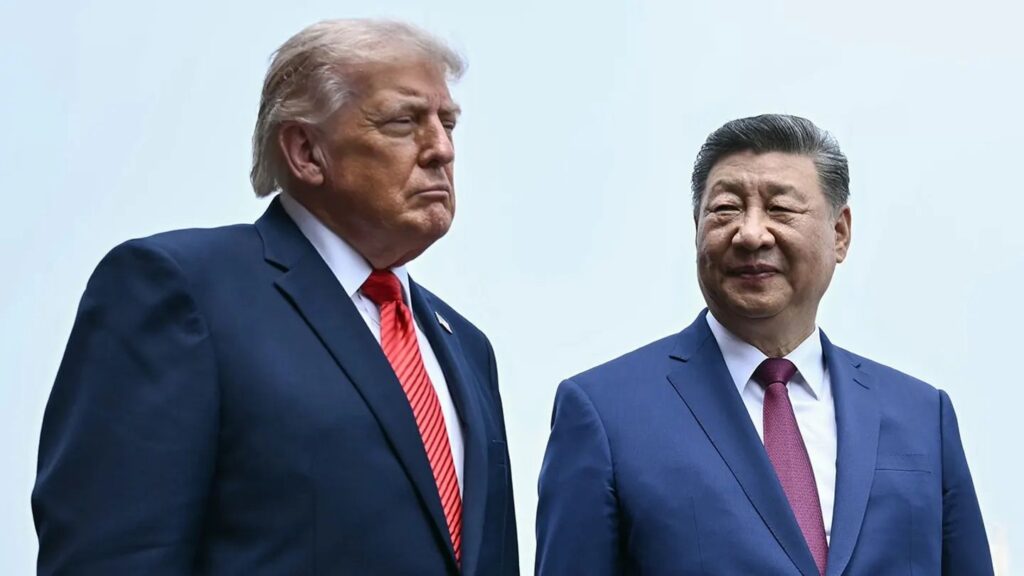
The case is particularly sensitive because it comes just weeks before Xi Jinping is expected at the White House.
President Donald Trump has announced that Xi will visit the United States on September 24, 2026, for talks with the American president. Artificial intelligence is expected to be among the issues discussed, while broader U.S.-China relations, trade and other areas of strategic competition are also expected to feature prominently.
That creates an uncomfortable diplomatic backdrop.
On one side, Washington is preparing to welcome China’s leader for high-level negotiations on issues that affect the global economy, technology and international security.
On the other, an American citizen remains behind bars in China after travelling there at the invitation of the Chinese government for an academic event.
The contradiction is difficult to ignore.
Zin’s case has also raised broader concerns among academics and researchers who travel to China. U.S. officials say the detention has caused concern within academic circles over whether scholars conducting research involving politically sensitive countries or issues could face detention or interrogation.
His supporters have called for his immediate and unconditional release, while his brother has rejected the espionage allegations as completely unfounded.
China, for its part, maintains that its authorities are handling the case according to Chinese law and national-security requirements.
But the political question remains unavoidable: If Beijing considered Zin dangerous enough to arrest on espionage grounds, why was he invited to China for an academic conference in the first place?
And if the invitation was legitimate, why did an American scholar apparently disappear from contact almost immediately after landing?
Those questions are now likely to follow Xi Jinping into Washington.
When Xi meets Trump at the White House on September 24, the two leaders will have much bigger issues to discuss — trade, technology, artificial intelligence and the future direction of U.S.-China relations.
But Min Zin’s name could become an uncomfortable addition to that agenda.
For Washington, his detention is no longer merely a consular matter.
It is now officially a case of wrongful detention.
And for Beijing, the timing presents an awkward challenge: Xi will be seeking cooperation with Washington while one of the most contentious points between the two governments is an American scholar who entered China through an invitation and ended up in detention.
What began as an academic journey has become a diplomatic confrontation — and the September Trump-Xi summit could determine just how seriously Beijing and Washington are prepared to fight over his freedom.