The Federal Government has dismissed widespread claims that the administration of President Bola Tinubu borrowed an additional ₦80trillion within two years, insisting that the sharp rise in Nigeria’s public debt was driven largely by the collapse of the naira and accounting adjustments rather than fresh loans.
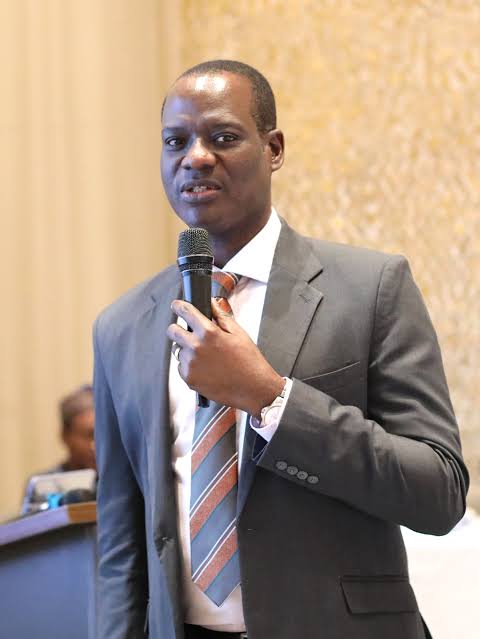
Minister of Finance and Coordinating Minister of the Economy, Mr. Taiwo Oyedele, made the clarification while briefing the Senate Committee on Finance on the state of the nation’s economy, following concerns by lawmakers over reports that the current administration had increased the country’s debt burden from about ₦75trillion inherited in 2023 to more than ₦150trillion.
Responding to the concerns, Oyedele argued that comparisons between the debt stock at the inception of the Tinubu administration and the current figures had created a false narrative that the government had embarked on reckless borrowing.
According to him, Nigeria’s public debt stood at approximately ₦75trillion when the administration assumed office. However, the far-reaching economic reforms introduced by the government, particularly the depreciation of the naira, significantly inflated the naira value of the country’s external debt.
He explained that because Nigeria records its public debt in naira, every fall in the value of the local currency automatically increases the naira equivalent of foreign-denominated loans, even where no new borrowing has taken place.
“When this administration came into office, public debt was around ₦75trillion. Many people simply compare that figure with today’s debt stock and conclude that this government has borrowed massively,” the minister said.
“Following the reforms and the depreciation of the naira, the foreign currency component of our public debt had to be revalued because Nigeria reports its debt in naira. That accounting adjustment alone added more than ₦40trillion to the public debt figure.”
Oyedele also identified the securitisation of the Federal Government’s Ways and Means advances as another major factor behind the increase in the country’s debt stock.
He disclosed that the exercise, which received the approval of the National Assembly, added about ₦33trillion to Nigeria’s official debt profile.
The minister stressed that the amount should not be mistaken for fresh borrowing, explaining that it merely formalised existing obligations owed by the Federal Government and brought them into the country’s recognised debt records.
He maintained that figures suggesting the Tinubu administration borrowed ₦80trillion were misleading because they ignored the impact of currency depreciation and debt restructuring on the nation’s balance sheet.
Despite the explanation, members of the Senate Committee on Finance voiced dissatisfaction with the implementation of the capital component of the 2026 Appropriation Act.
The lawmakers observed that poor execution of capital projects continued to undermine infrastructure development and economic growth, urging the executive to significantly improve budget implementation so that appropriated funds translate into visible projects and tangible benefits for Nigerians.