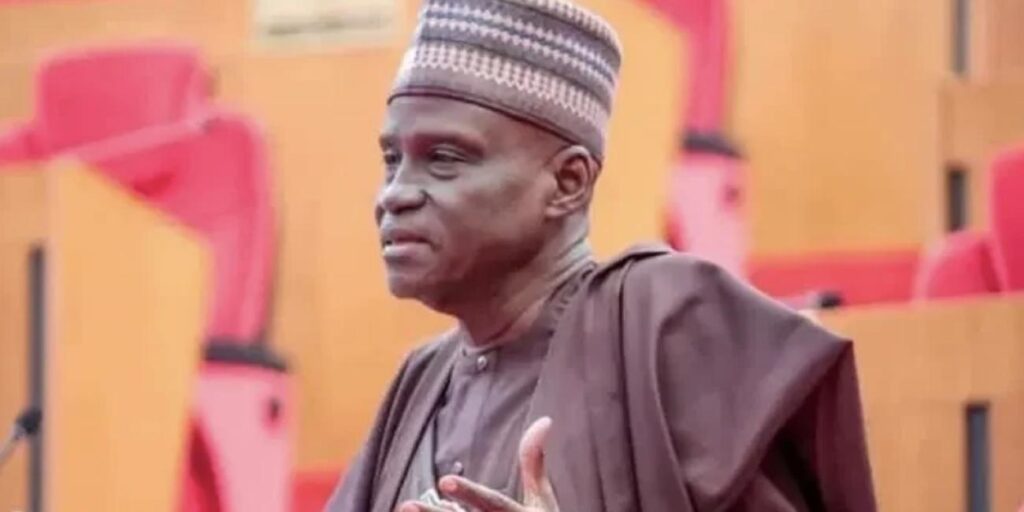
Senator Mohammed Tahir Monguno, representing Borno North Senatorial District, has openly challenged the President Bola Tinubu-led administration over what he described as the government’s failure to implement the 2025 Appropriation Act, declaring that refusing to execute an approved budget amounts to a breach of the law and constitutes “an impeachable offence.”
Monguno made the remarks on Monday during an engagement with the Minister of Finance and Coordinating Minister of the Economy, Taiwo Oyedele, where he demanded explanations for the delayed implementation of the 2025 budget despite the National Assembly extending its lifespan.
The senator disclosed that lawmakers were compelled to roll over about 70 per cent of the 2025 budget into 2026 after the executive failed to implement the spending plan as expected.
According to him, the National Assembly had agreed that at least 30 per cent of the 2025 budget should be implemented before March. However, he lamented that even that target was not achieved, prompting lawmakers to extend the lifespan of the budget until September.
Questioning the Finance Minister over government revenues, Monguno asked where public funds were being spent if approved budgetary projects were not being executed.
“Honourable Minister, I have listened carefully to your brief and the very beautiful figures that you have reeled out. Why are these revenues going to?” he asked.
“If the 2025 budget has not been implemented and we have to roll over 70 per cent of it into 2026 after promising that 30 per cent would be implemented before March, then something is fundamentally wrong. Even that 30 per cent was not achieved.”
He argued that the essence of governance lies in implementing approved budgets, stressing that Nigerians cannot enjoy the dividends of democracy if projects captured in the budget remain unexecuted.
“It is through the implementation of the budget that the dividends of democracy are brought to the doorsteps of the people. If the budget is not being implemented, what is the function of government?” he queried.
Monguno further revealed that security agencies had informed lawmakers they received no capital allocations, despite the country’s persistent security challenges.
“Security of lives and property is the primary responsibility of government. Yet all the security agencies we have interacted with reported that they have received zero capital allocation,” he said.
The senator also questioned the handling of Federation Account revenues, asking why the Federal Government allegedly retained about ₦1.7 trillion from the ₦3.7 trillion generated last month instead of distributing the entire amount to the three tiers of government.
“Why are these monies going to? Why was only about ₦2 trillion shared while about ₦1.7 trillion was retained? Why not disburse the entire ₦3.7 trillion to the three tiers of government?” he asked.
Describing the situation as a constitutional violation, Monguno declared that failure to implement an appropriation law amounts to a breach of the law.
“If the budget is not implemented, it is a breach of the law, and it is an impeachable offence,” he said.
Responding, Finance Minister Taiwo Oyedele said there was a need to clarify public understanding of government borrowing, noting that approvals granted by the National Assembly for external loans are often mistaken as actual borrowings.
He explained that legislative approval only authorises borrowing up to a specified amount and does not mean the funds have already been drawn.
According to the minister, the National Assembly had previously approved external borrowing of about $20 billion under the Medium-Term Expenditure Framework (MTEF), but only part of that amount had been accessed.
Oyedele disclosed that the Ministry of Finance was finalising a comprehensive breakdown that would show the amount approved by the National Assembly, the actual sums borrowed, and how the funds had been utilised.
“We will make it available to the public. It will show how much the National Assembly approved, how much of that we have actually borrowed, and how it has been spent,” he said.
The heated exchange underscored growing concerns within the National Assembly over the pace of budget implementation, government spending, and transparency in the management of public finances under the Tinubu administration.
‘Failure To Implement Budget Is An Impeachable Offence’ — Senator Monguno Challenges Tinubu Government Over 2025 Budget Delay, Demands Explanation For Alleged ₦1.7 Trillion Retained Revenue
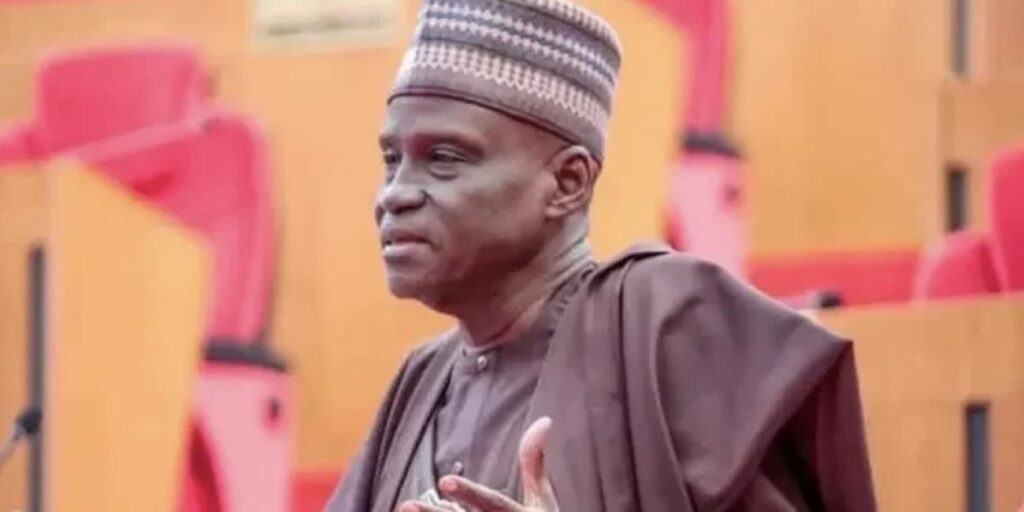
Senator Mohammed Tahir Monguno, representing Borno North Senatorial District, has openly challenged the President Bola Tinubu-led administration over what he described as the government’s failure to implement the 2025 Appropriation Act, declaring that refusing to execute an approved budget amounts to a breach of the law and constitutes “an impeachable offence.”
Monguno made the remarks on Monday during an engagement with the Minister of Finance and Coordinating Minister of the Economy, Taiwo Oyedele, where he demanded explanations for the delayed implementation of the 2025 budget despite the National Assembly extending its lifespan.
The senator disclosed that lawmakers were compelled to roll over about 70 per cent of the 2025 budget into 2026 after the executive failed to implement the spending plan as expected.
According to him, the National Assembly had agreed that at least 30 per cent of the 2025 budget should be implemented before March. However, he lamented that even that target was not achieved, prompting lawmakers to extend the lifespan of the budget until September.
Questioning the Finance Minister over government revenues, Monguno asked where public funds were being spent if approved budgetary projects were not being executed.
“Honourable Minister, I have listened carefully to your brief and the very beautiful figures that you have reeled out. Why are these revenues going to?” he asked.
“If the 2025 budget has not been implemented and we have to roll over 70 per cent of it into 2026 after promising that 30 per cent would be implemented before March, then something is fundamentally wrong. Even that 30 per cent was not achieved.”
He argued that the essence of governance lies in implementing approved budgets, stressing that Nigerians cannot enjoy the dividends of democracy if projects captured in the budget remain unexecuted.
“It is through the implementation of the budget that the dividends of democracy are brought to the doorsteps of the people. If the budget is not being implemented, what is the function of government?” he queried.
Monguno further revealed that security agencies had informed lawmakers they received no capital allocations, despite the country’s persistent security challenges.
“Security of lives and property is the primary responsibility of government. Yet all the security agencies we have interacted with reported that they have received zero capital allocation,” he said.
The senator also questioned the handling of Federation Account revenues, asking why the Federal Government allegedly retained about ₦1.7 trillion from the ₦3.7 trillion generated last month instead of distributing the entire amount to the three tiers of government.
“Why are these monies going to? Why was only about ₦2 trillion shared while about ₦1.7 trillion was retained? Why not disburse the entire ₦3.7 trillion to the three tiers of government?” he asked.
Describing the situation as a constitutional violation, Monguno declared that failure to implement an appropriation law amounts to a breach of the law.
“If the budget is not implemented, it is a breach of the law, and it is an impeachable offence,” he said.
Responding, Finance Minister Taiwo Oyedele said there was a need to clarify public understanding of government borrowing, noting that approvals granted by the National Assembly for external loans are often mistaken as actual borrowings.
He explained that legislative approval only authorises borrowing up to a specified amount and does not mean the funds have already been drawn.
According to the minister, the National Assembly had previously approved external borrowing of about $20 billion under the Medium-Term Expenditure Framework (MTEF), but only part of that amount had been accessed.
Oyedele disclosed that the Ministry of Finance was finalising a comprehensive breakdown that would show the amount approved by the National Assembly, the actual sums borrowed, and how the funds had been utilised.
“We will make it available to the public. It will show how much the National Assembly approved, how much of that we have actually borrowed, and how it has been spent,” he said.
The heated exchange underscored growing concerns within the National Assembly over the pace of budget implementation, government spending, and transparency in the management of public finances under the Tinubu administration.