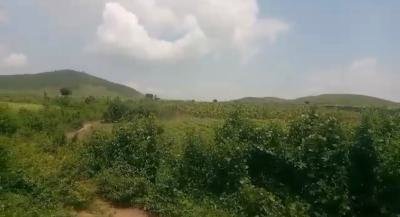
From Dobi in Gwagwalada Area Council of the Federal Capital Territory, recent allegations circulating within sections of the community have sparked quiet tension over claims of alleged community land dealings linked to proposed mining interests in the area.
Anonymous local sources alleged that portions of land close to the Dobi graveyard and areas described as sacred grounds were being earmarked or influenced for mining-related purposes, with concerns raised over transparency, consent, and community involvement in the process.
However, when our correspondence reached out in a swift response addressing the claims, Nurudeen Angulu, who has been mentioned in the reports strongly denied any wrongdoing, dismissing the allegations as misleading and insisting that no illegal land sale or mining activity is taking place in the community.
According to him, the narrative being circulated does not reflect the reality on ground, stressing that due process remains central to any legitimate mining engagement.
“You cannot sell people’s land without their consent,” Nurudeen Angulu stated. “In mining, what happens is that landowners are properly identified and compensated. There is no mining activity currently ongoing in Dobi, legally or otherwise, at this stage.”
He further explained that the site in question has only been licensed within the formal regulatory framework, but actual operations have not commenced, adding that any future development would strictly follow due legal procedures and community engagement standards.
“If there is any need for development in that direction, I will ensure that all legal processes are followed for the betterment of my community,” he added.
The clarification comes amid growing informal conversations within the Dobi community, where some residents had reportedly expressed unease over potential environmental and cultural impacts of mining activities near sensitive sites, including burial and ancestral grounds.
However, there is currently no verified evidence presented to support claims that any land has been sold illegally or that mining operations are underway in the area without authorization.
As it stands, the situation highlights a broader tension often seen in developing communities within the FCT where issues of land use, resource development, cultural heritage, and regulatory processes frequently intersect, sometimes fueling misunderstanding and speculation in the absence of clear communication.
Community stakeholders are yet to issue a formal collective statement on the matter, while relevant authorities responsible for mining regulation and land administration are expected to provide clarity on the status of any licensed activity in the area if the need arises.
For now, what remains clear is a divided narrative, one driven by anonymous concerns, and another firmly denied by the person at the center of the allegations, leaving Dobi once again at the intersection of perception, process, and public trust.