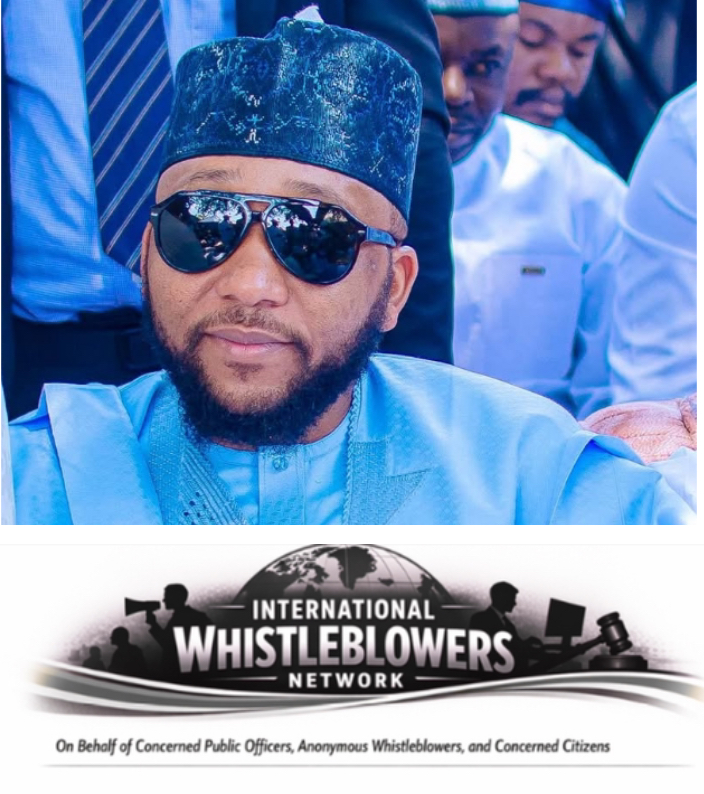
The Executive Chairman of Abaji Area Council is facing mounting pressure after a strongly worded international whistleblower petition accused the council administration of alleged corruption, abuse of office, contract inflation, diversion of public funds, and payments to fictitious contractors between 2022 and 2026.
In a formal letter dated Monday, May 11, 2026, addressed directly to the Chairman of the Council and copied to anti-corruption agencies including the Economic and Financial Crimes Commission, Independent Corrupt Practices and Other Related Offences Commission, and the Code of Conduct Bureau, an international whistleblower identified as Augustus Emmanuel demanded immediate disclosure of sensitive financial and administrative records belonging to the council.
The explosive petition, written on behalf of the International Whistleblowers Network, alleged that credible intelligence from insiders and external sources points to “widespread malfeasance” within the council, including arbitrary diversion of public funds, inflated contracts, unauthorised deductions, abuse of office, and suspicious payments allegedly made to ghost companies and individuals.
The letter referenced the landmark July 11, 2024 Supreme Court judgment granting financial autonomy to Nigeria’s 774 local government councils, stating that the ruling triggered a broader international investigation into how grassroots allocations are being utilised across the country.
According to the whistleblower, Abaji Area Council has now become one of the councils under scrutiny as investigators seek to determine whether public funds meant for rural development, healthcare, sanitation, education, and infrastructure were properly utilised or allegedly diverted for private interests.
Among the documents demanded from the council are approved annual budgets and budget performance reports from 2022 to 2026, records of federal allocations, internally generated revenue reports, detailed contract awards, procurement documents for projects above ₦5 million, consultants’ agreements, salary expenditure records, staff nominal rolls, and status reports on executed projects.
The petition also demanded copies of the Chairman’s asset declaration forms submitted to the Code of Conduct Bureau before and after assuming office, citing constitutional provisions requiring public office holders to declare assets.
The whistleblower warned that failure to comply within seven days as stipulated under Nigeria’s Freedom of Information Act, 2011, could trigger legal action and international escalation involving the United Nations Office on Drugs and Crime, global media organisations, and African anti-corruption bodies.
The letter further warned that any refusal, obstruction, concealment, or denial of access to public records may amount to a violation of statutory duty under the FOI Act, adding that defaulting public officials could face sanctions under Nigerian law.
Political observers within the Federal Capital Territory say the development may intensify public scrutiny on area council administrations following repeated allegations of financial opacity, abandoned projects, and poor accountability despite increased allocations to local governments after the Supreme Court autonomy ruling.
As of press time, Abaji Area Council had not officially responded to the allegations or the whistleblower’s demands.