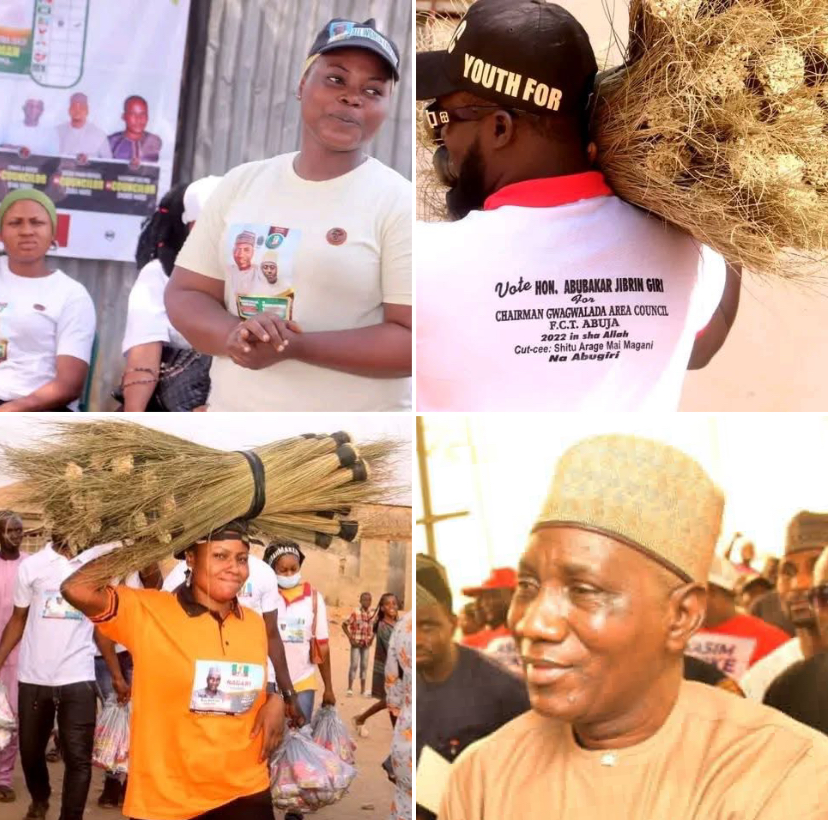
Fresh concerns have emerged over the leadership style of the Executive Chairman of Gwagwalada Area Council, Abubakar Jibrin Giri, following a public appeal by grassroots mobilizers who say they have been abandoned after playing key roles in past political campaigns.
A Facebook post by civic voice Aluran Abuja has sparked conversation among residents and political observers in Gwagwalada, after the group openly appealed to the council chairman for “support and intervention” for campaign team members who reportedly worked tirelessly across the ten political wards in the area council.
According to the statement, the team members invested their time, energy, and personal financial resources during the campaign period, mobilizing voters and organizing grassroots support across several communities.
The message described the individuals as loyal supporters who sacrificed significantly to move the campaign across Gwagwalada. However, the appeal suggests that many of these grassroots workers have yet to receive recognition or support despite their contributions.
The statement highlighted that several individuals—including Jennifer Raymond, Obih, and Abubakar Arafat—stood by the movement even though some of them were not from the dominant local tribe, emphasizing that their commitment was driven by belief in the campaign rather than ethnic interests.
Observers say the public appeal raises deeper questions about the treatment of grassroots political volunteers and the level of engagement between elected officials and their campaign teams after elections.
Political analysts within Gwagwalada argue that the situation reflects a broader pattern in Nigerian local politics where campaign structures are often dismantled once political goals are achieved, leaving volunteers without recognition or empowerment.
Community voices reacting to the post noted that grassroots mobilizers often form the backbone of political campaigns, yet remain the most neglected once leaders assume office.
The appeal further urged the chairman to consider empowerment opportunities and forms of support that would acknowledge the sacrifices made by the team members and encourage them to continue contributing to community development.
Critics, however, argue that the fact that such an appeal had to be made publicly is itself an indication of growing dissatisfaction among supporters, suggesting that the current leadership may be struggling to maintain the trust and morale of those who helped build its political base.
Residents say the situation has also sparked wider conversations about governance and leadership accountability within the council, with many calling for a more inclusive approach that recognizes grassroots contributors.
As political preparations gradually begin ahead of the 2027 House of Representatives race in Abuja South, analysts warn that unresolved grievances among grassroots supporters could weaken political structures and affect future mobilization efforts.
For many in Gwagwalada Area Council, the appeal serves as a reminder that leadership is not only measured by electoral victory but also by how leaders treat the people who stood with them during the struggle.
Chronicles Reporters will continue to monitor reactions from the office of the chairman and stakeholders across the council.