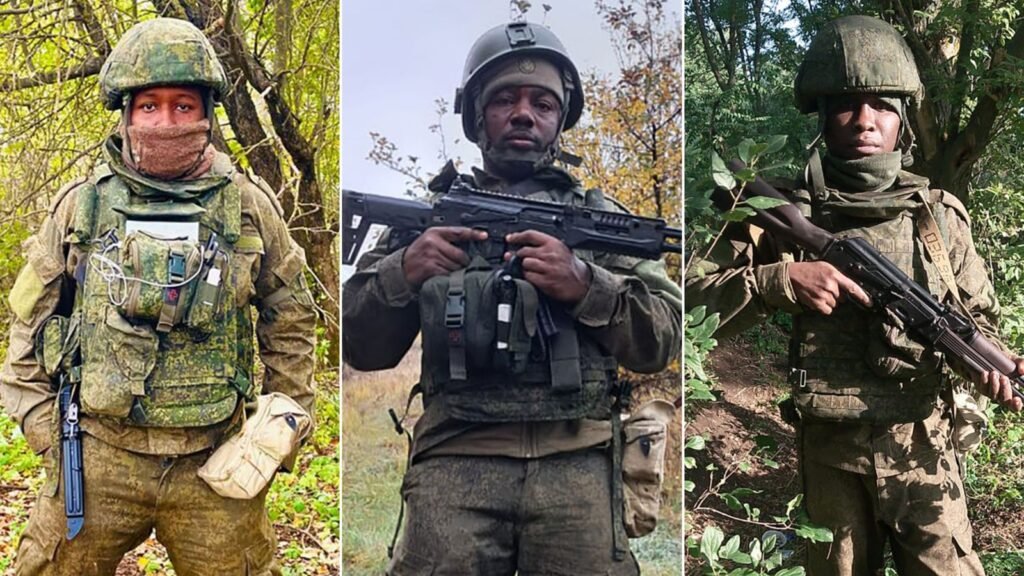
Growing economic hardship and unemployment among young Africans, including Nigerians, is increasing their vulnerability to exploitation by recruitment schemes that allegedly funnel some into foreign military conflicts, experts have warned. The trend has raised concerns in policy and security circles about how job seekers seeking opportunities abroad are being misled, with reports suggesting some end up in war zones such as the Russia–Ukraine conflict.
Experts said that the combination of limited local opportunities and the lure of foreign income can push young people into dangerous situations. Professor Femi Otubanjo, a professor of International Relations, said that stories of Africans being redirected into military service “are not entirely new in global conflict dynamics” and that underlying factors like unemployment and limited opportunities are key drivers. He added: “The reality is that we have to admit it too, there are a lot of Africans who are desperate to go anywhere.”
Senior researchers also emphasised the need for careful investigation of recruitment claims. Dr. Nicholas Erameh, a Senior Research Fellow at the Nigerian Institute of International Affairs (NIIA), said it was “difficult to say Russians came into Nigeria to pick people and forcefully conscript them into their armies” but noted that some individuals “may have voluntarily entered agreements without fully understanding the implications.” He urged authorities to establish a fact-finding mission to verify the allegations and how such recruitment occurs.
Reports highlighted the human toll behind these patterns. A Nigerian, Abubakar Adamu, said he travelled on a tourist visa to Moscow believing he had a civilian job, only to find his travel documents confiscated and be forced to sign enlistment papers in a foreign language before being stationed in a Russian military camp.
Meanwhile, Ukrainian authorities have released images of two Nigerians, Hamzat Kazeem Kolawole and Mbah Stephen Udoka, reported to have died while fighting in the Luhansk region after signing contracts with the Russian military.