Several prominent Nigerian-American organisations have strongly criticised the Trump administration’s move to redesignate Nigeria as a “Country of Particular Concern” (CPC), warning that the decision could strain diplomatic relations without addressing the underlying causes of the country’s religious and security crises.
At a joint virtual press conference on Friday, leaders from the Nigerian Center, the Nigerian American Public Affairs Committee (NAPAC), the Nigerians in Diaspora Organisation Americas (NIDOA), and the Nigerian Physicians Advocacy Group (NPAG) denounced the designation as counterproductive. The coalition argued that while Nigeria is contending with serious human rights and religious-freedom challenges, punitive measures risk undermining ongoing efforts to resolve them.
Participants stressed that constructive engagement, not isolation, is needed from the United States. They called for transparent dialogue and sustained partnership among U.S. and Nigerian policymakers, diaspora leaders, and civil society actors to ensure reforms that promote stability and justice.
The press briefing brought together key figures including Gbenga Ogunjimi, Executive Director of The Nigerian Center; Dr. Susan Edionwe, President of NPAG; Bukola Olaoye, Chairman of NIDOA; Prince Maduka Nkuku, President of NAPAC; and Dr. Malcolm Fabiyi, President of the Governance Advancement Initiative for Nigeria (GAIN). The speakers presented a unified stance: that collaboration, not condemnation, will best support Nigeria’s path toward lasting peace.
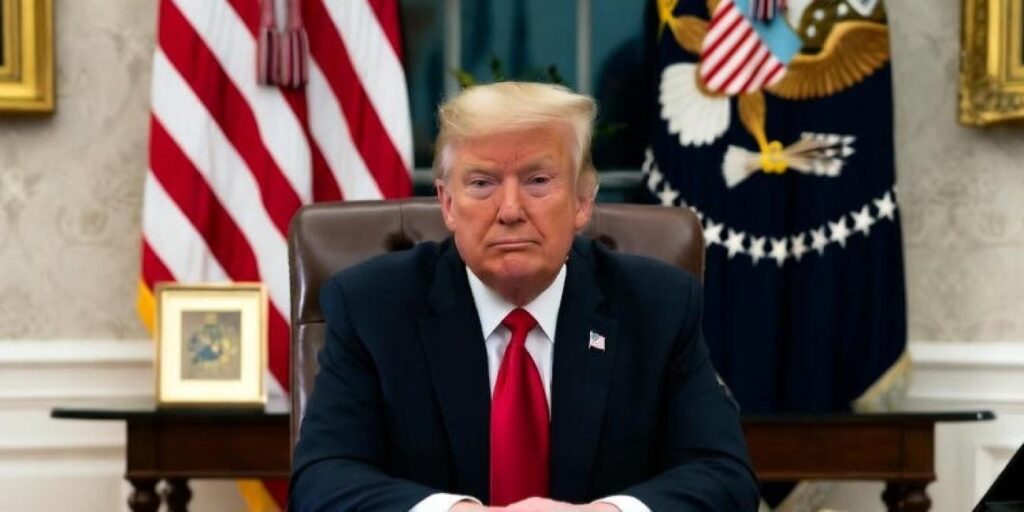
Their reaction follows an October 31 report by SaharaReporters that former U.S. President Donald Trump had announced Nigeria’s redesignation as a CPC on his Truth Social platform. Trump cited what he described as genocide against Christians, claiming that “thousands of Christians are being killed” by “radical Islamists.” He further stated that he had directed members of the U.S. House Appropriations Committee to investigate the situation.
“The United States cannot stand by while such atrocities are happening,” Trump wrote, declaring that the U.S. stands “ready, willing, and able” to protect Christian populations globally.
However, Nigerian-American organisations insist that framing Nigeria’s crisis purely through a religious lens oversimplifies a complex landscape of insecurity, governance failures, and socio-economic tensions. They urged the U.S. government to take a more nuanced approach that supports accountability, encourages reforms, and strengthens bilateral ties rather than deepening divisions.