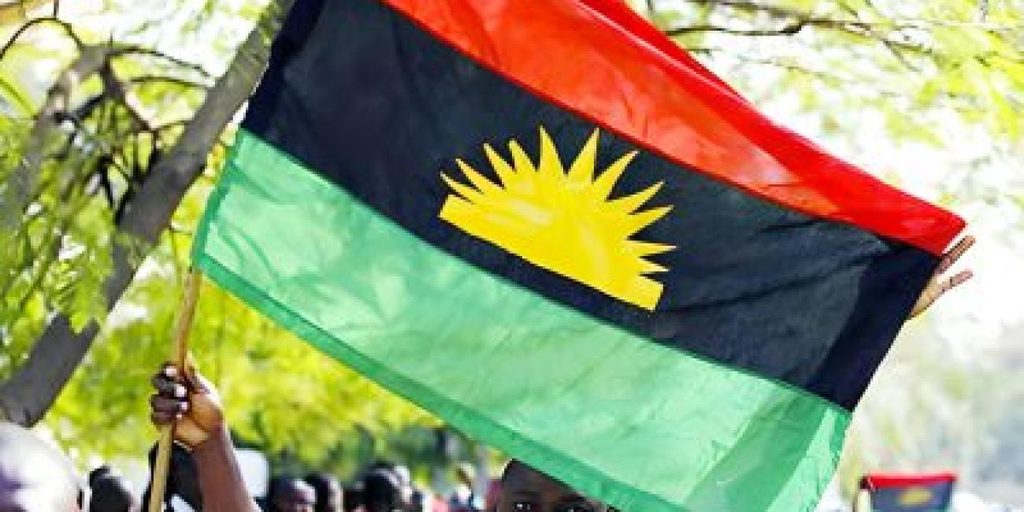
The Indigenous People of Biafra (IPOB) has declared solidarity with the Hausa people and other ethnic nationalities in Northern Nigeria, insisting that its campaign for Biafran self-determination is not driven by hatred for other ethnic groups.
The pro-Biafra group called for an internationally supervised referendum to allow ethnic nationalities across Nigeria to determine their political future, including whether to remain within the country’s existing political structure or pursue alternative arrangements.
IPOB made the position known in a statement issued on Friday by its Media and Publicity Secretary, Emma Powerful, on behalf of its Directorate of State (DOS).
The group said the statement was issued on the instruction of its detained leader, Nnamdi Kanu, in response to a reported solidarity declaration by Northern youths and the Northern Nigeria Rescue Movement (NNRM).
According to IPOB, Kanu believes that the pursuit of freedom by one ethnic nationality should not be interpreted as hostility towards another, arguing that different groups can pursue self-determination without becoming enemies.
“The pursuit of freedom for one people must never be interpreted as hatred for another,” the statement said.
IPOB accused the Nigerian state and its supporters of allegedly misrepresenting Kanu’s position on Northern ethnic nationalities to create divisions among communities seeking political freedom.
The group rejected what it described as attempts to exploit ethnic and religious differences to weaken solidarity among Nigerians, maintaining that ordinary citizens across the country shared common aspirations for dignity, justice, freedom and the right to determine their political future.
It argued that the Biafran self-determination struggle was compatible with the political aspirations of the Hausa people and other ethnic groups seeking greater control over their affairs.
According to IPOB, Kanu had consistently expressed support for the emergence of a politically conscious and self-assured Hausa nation during his broadcasts on Radio Biafra.
The group said the Hausa people and other Northern communities should be able to reclaim their political agency and cultural identity without being regarded as opponents of the Biafran cause.
“The freedom of Biafrans and the emancipation of the Hausa nation are not mutually exclusive aspirations,” the statement said.
“No people should have to remain subordinate for another people to be free.”
IPOB also praised what it described as growing political awareness among Hausa youths in the North-West, claiming that they had recognised problems associated with Nigeria’s existing political structure.
The group maintained that Nigerians from different ethnic and religious backgrounds were affected by what it described as a corrupt and oppressive political system.
It argued that the country’s challenges should not be used to turn ethnic nationalities against one another, urging communities to recognise their shared interests in demanding political accountability, justice and arrangements that respect their identities and aspirations.
Reiterating its position on self-determination, IPOB described a referendum as a democratic mechanism through which ethnic nationalities should be allowed to decide whether to remain within Nigeria’s existing political arrangement or pursue alternative political structures.
The group said a peaceful, internationally supervised referendum would give people the opportunity to express their political preferences without violence or coercion.
It further argued that smaller ethnic nationalities should be free to negotiate alliances, voluntarily federate with other groups or adopt regional governance arrangements that protect their cultural identities and political interests.
Among the ethnic nationalities it listed as deserving recognition were the Hausa, Kanuri, Tiv, Berom, Nupe, Igala, Jukun, Angas, Bachama, Idoma, Zuru, Ebira, Gbagyi, Tangale and Borgu.
IPOB insisted that population size should not determine the political relevance of an ethnic group or its entitlement to participate in decisions concerning its future.
“Population density does not dictate human dignity,” the statement said, adding that every ethnic nationality should have a voice in determining how it wished to be governed.
The group also referred to the 2014 National Conference convened under former President Goodluck Jonathan, citing proposals on restructuring and regional autonomy as possible reference points for discussions about Nigeria’s political future.
It further referenced former President Olusegun Obasanjo’s reported criticism of imported governance models, arguing that African countries should develop political systems suited to their historical experiences, social realities and circumstances.
IPOB urged ethnic nationalities across the country to reconsider Nigeria’s existing political structure and support what it described as a collective struggle for freedom, justice and self-determination.
The group said it remained committed to working alongside other communities in pursuit of self-determination, peaceful coexistence and mutual respect, maintaining that the freedom of one people should not come at the expense of another.