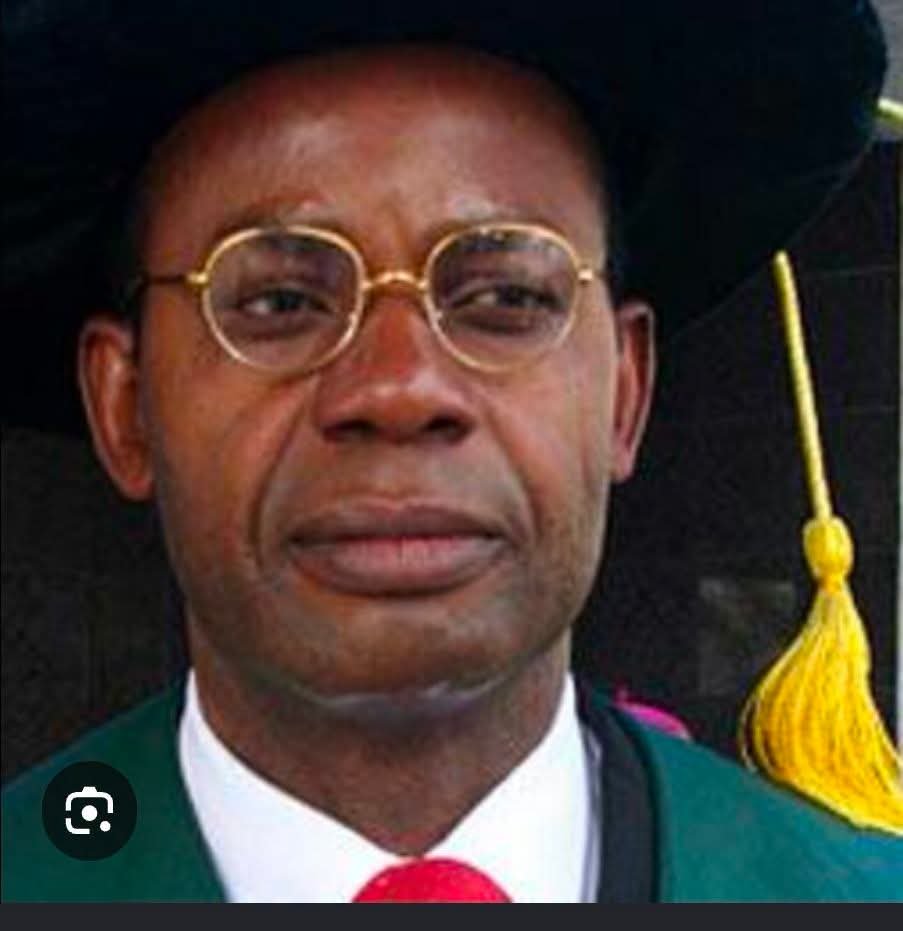
Renowned cardiothoracic surgeon and former Vice-Chancellor of the University of Nigeria, Nsukka (UNN), Emeritus Professor Martin A.C. Aghaji, has regained his freedom after spending several days in the custody of the Department of State Services (DSS), ending a detention that sparked nationwide outrage and condemnation from Nigeria’s medical community.
Professor Aghaji was released on Sunday following sustained pressure from the Nigerian Medical Association (NMA), senior medical practitioners, civil society organisations and other concerned stakeholders who demanded that the DSS either disclose the basis for his arrest or release him in accordance with the law.
The respected surgeon had reportedly been held incommunicado after being arrested at his residence under circumstances that were never publicly explained by the security agency. Throughout his detention, neither the DSS nor any government authority disclosed the allegations against him, raising serious concerns over due process and constitutional rights.
The arrest ignited widespread criticism across the country, particularly within the medical profession, where colleagues described the detention of one of Nigeria’s most accomplished medical scholars without explanation as disturbing and unacceptable.
In response, the Enugu State chapter of the Nigerian Medical Association convened an emergency meeting of its State Officers’ Council, where members unanimously condemned the manner of Aghaji’s arrest and detention.
In a communiqué issued after the meeting, the association maintained that while security agencies possess constitutional powers to investigate crimes, such powers must be exercised within the confines of the law and with full respect for the dignity and fundamental rights of every Nigerian citizen.
The association disclosed that immediately after learning of Aghaji’s arrest, it opened discussions with the Office of the Security Adviser to the Enugu State Governor, the Nigeria Police Force, including the Divisional Police Officer of the Independence Layout Division and the Commissioner of Police, Enugu State Command, the Department of State Services and other relevant authorities. It also escalated the matter to the national leadership of the Nigerian Medical Association.
Despite these interventions, the NMA said no official explanation was provided regarding the reasons for the professor’s arrest or continued detention.
Describing Aghaji as “an internationally acclaimed cardiothoracic surgeon, distinguished academic, elder statesman and one of Nigeria’s foremost medical icons,” the association demanded his immediate release or, in the alternative, that his constitutional rights—including access to his family, legal counsel and medical care—be fully guaranteed.
The State Officers’ Council further resolved to convene an Emergency General Meeting to consider additional lawful and professional measures while urging the national leadership of the NMA to intensify advocacy efforts in defence of justice, the rule of law and the rights of medical professionals.
Less than 24 hours after the communiqué was issued, Professor Aghaji was released from DSS custody.
Although the circumstances surrounding his release remain unclear, multiple sources indicated that sustained pressure from the medical community, civil society organisations and public opinion played a decisive role in securing his freedom.
As of the time of filing this report, the Department of State Services had yet to issue an official statement explaining either the reason for Aghaji’s arrest or the basis for his release.
Professor Aghaji, a globally respected cardiothoracic surgeon and former Vice-Chancellor of the University of Nigeria, Nsukka, has earned national and international recognition for his decades-long contributions to medical education, specialised surgery and the advancement of healthcare in Nigeria.
His detention without any publicly disclosed allegation has renewed concerns over the growing use of prolonged security detentions without formal charges, with legal and civil rights advocates insisting that security agencies must uphold due process and remain accountable to the rule of law.