The United States has signalled that Nigeria’s 2027 general elections will come under close international scrutiny, with a member of the U.S. Congress declaring that the administration of President Donald Trump would be paying keen attention to the conduct, transparency and credibility of the polls.
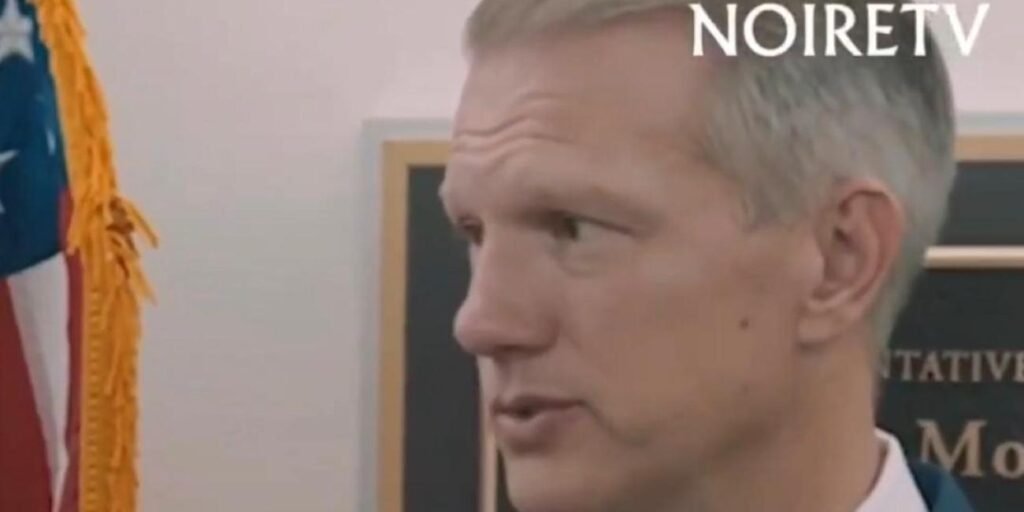
The warning was issued by U.S. Congressman Riley Moore, who stated that Washington would be monitoring developments ahead of Nigeria’s next electoral cycle amid growing concerns over governance, security challenges and democratic accountability.
“We will be paying close attention to Nigeria’s 2027 election,” Moore reportedly said, underscoring the strategic importance the United States places on democratic processes in Africa’s most populous nation.
The remark comes against the backdrop of increasing engagement between American lawmakers and Nigerian officials on issues ranging from national security and religious freedom to electoral integrity and democratic governance.
SaharaReporters had earlier reported that Congressman Moore recently held high-level discussions in Washington with a Nigerian delegation led by National Security Adviser Nuhu Ribadu, alongside other top government officials. The meeting focused on terrorism, insecurity and the protection of vulnerable communities across the country.
Following the talks, Moore emphasised that the United States remained willing to strengthen cooperation with Nigeria but insisted that the Trump administration would not ignore issues affecting democratic values and human rights. He also reiterated President Trump’s tough stance against religious persecution and insecurity in the country, warning that Washington expects meaningful action from Nigerian authorities.
Political observers believe the latest comments may heighten international interest in Nigeria’s 2027 polls, which are already shaping up to be one of the country’s most fiercely contested elections, with opposition coalitions intensifying efforts to challenge the ruling government.
The forthcoming elections are expected to test Nigeria’s democratic institutions amid mounting economic pressures, security concerns and growing public demand for transparency, accountability and credible leadership.