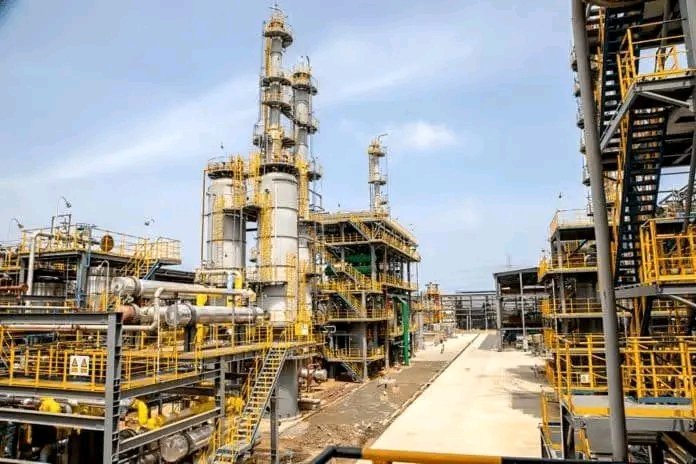
In a landmark move that could reshape Ghana’s energy sector and strengthen its economic independence, Ghana is set to begin refining its own crude oil at the Tema Oil Refinery (TOR), marking a major shift from decades of exporting crude and importing refined petroleum products.
President John Dramani Mahama announced that a shipment of crude oil from Ghana’s offshore oil fields will be delivered to the Tema Oil Refinery for processing, a development many analysts describe as a significant step toward energy self-sufficiency and industrial growth.
For years, Ghana has produced crude oil but largely exported it abroad for refining, only to import finished petroleum products at higher costs. This practice has resulted in the loss of valuable jobs, foreign exchange, and opportunities for local industrial development. The new initiative aims to reverse that trend by ensuring that more value is added within Ghana’s borders.
The development comes after the revival of the Tema Oil Refinery, which recently resumed operations following extensive maintenance and rehabilitation efforts after years of inactivity. Authorities believe the refinery’s renewed operations will strengthen fuel security, reduce dependence on imported refined products, create employment opportunities, and stimulate economic growth across multiple sectors.
Industry observers see the move as more than just an energy-sector achievement. It represents a strategic economic decision that could help Ghana retain more revenue from its natural resources while building a stronger downstream petroleum industry. With plans already underway to expand refining capacity, Ghana is positioning itself to become a more influential player in West Africa’s energy landscape.
As global energy markets continue to face uncertainty, Ghana’s decision to refine its own crude oil sends a powerful message about the importance of local value addition, economic resilience, and resource management. If successfully implemented, the initiative could become a model for other African nations seeking to maximize the benefits of their natural resources and reduce dependence on imported fuel products.
For many Ghanaians, the beginning of local crude oil refining is not just an industrial milestone—it is a symbol of national progress, self-reliance, and a bold vision for the country’s economic future.