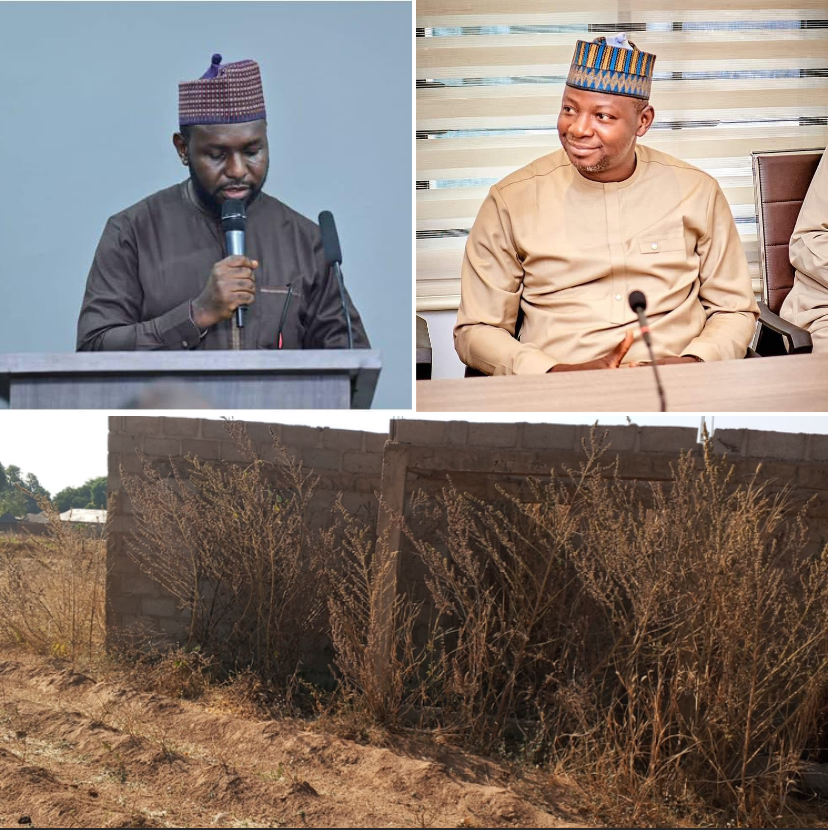
The controversy surrounding stalled healthcare projects in Mawogi, Dogo Ruwa, Gigbe, and Tugan Usman communities in Abaji Area Council has taken a new turn following intervention from a key official of the Community and Social Development Project (CSDP).
According to information made available to Chronicles Reporters, Mr. Haruna Abdullahi Kurecontacted community representatives after reports of the alleged fund diversion and stalled projects gained public attention. During the conversation, Mr. Kure reportedly questioned the communities on why they failed to formally inform the CSDP authorities about the ongoing issues surrounding their healthcare projects.
Sources within the communities said Mr. Kure, however, promised to follow up on the matter, assuring them that Mawogi and other affected communities should come to the CSDP office to present their complaints and relevant documents for proper review.
Community leaders, while welcoming the intervention, expressed deep frustration over what they described as systemic neglect and lack of post-disbursement monitoring by the CSDP authorities.
“Our questions are that CSDP don’t follow up with the projects they award or funds they release for projects,” community leaders told Chronicles Reporters.
They argued that if proper monitoring, verification, and community engagement had been sustained after funds were released, the current crisis—marked by unfinished or non-existent healthcare facilities and prolonged suffering of residents—might have been prevented.
As communities prepare to honor the invitation to visit the CSDP office, residents say the outcome of the engagement will be critical, not only in determining what happened to the healthcare funds, but also in restoring confidence in a development framework meant to place communities at the center of decision-making.
For now, the people of Mawogi, Dogo Ruwa, Gigbe, and Tugan Usman remain without functional healthcare facilities, still trekking long distances for basic maternal and child health services, as questions continue to mount over accountability, supervision, and the true impact of development projects meant to serve them.