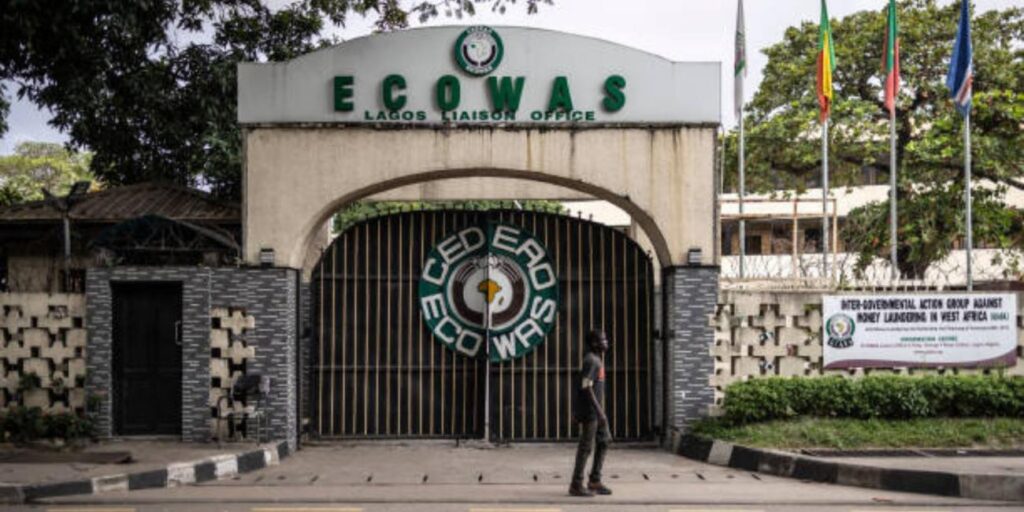
The Socio-Economic Rights and Accountability Project (SERAP), in conjunction with four Nigerian citizens, has dragged President Bola Tinubu’s administration before the ECOWAS Community Court of Justice over its refusal to release the forensic audit report of the Niger Delta Development Commission (NDDC).
The forensic audit, originally commissioned in 2019 by former President Muhammadu Buhari, was aimed at uncovering how approximately ₦6 trillion allegedly vanished from the NDDC’s coffers between 2001 and 2019. SERAP maintains that the unreleased report contains damning findings against top-level politicians and government functionaries.
Part of the case references recent remarks by the current Minister of the Federal Capital Territory (FCT), Nyesom Wike, who alleged that the wife of a former minister was paid ₦48 billion within a year, supposedly for organizing training for women in the Niger Delta region.
The four other individuals involved in the legal action are Prince Taiwo Aiyedatiwa, Chief Jude Igbogifurotogu Pulemote, Ben Omietimi Tariye, and Princess Elizabeth Egbe. The case is being pursued on their behalf and on behalf of SERAP by legal counsels Kolawole Oluwadare, Kehinde Oyewumi, and Andrew Nwankwo.
The suit, marked ECW/CCJ/APP/35/25, was lodged last Friday at the ECOWAS Court in Abuja. In the legal filing, the applicants are asking the court to declare that the Federal Government’s refusal to publish the NDDC audit report constitutes a breach of Nigeria’s obligations under international human rights law.
They are also seeking an order from the court compelling the government to make the forensic report public and ensure that Nigerian citizens can access the details contained within it. Furthermore, the plaintiffs demand that the Nigerian government implement robust and transparent measures to ensure that public funds allocated to the NDDC are used effectively and accountably.
According to the application filed before the court, “The government’s continued concealment of the forensic report violates our right to know the full truth about the serious corruption allegations contained in the document. Suppressing this information only sustains a culture of impunity and shields those responsible from accountability.”
The applicants added, “The right to freedom of expression naturally includes the right of citizens to access important public information. People deserve to know how their leaders are managing public resources, otherwise, public trust is eroded, and participation in democratic governance becomes shallow and meaningless.”
They noted that despite repeated calls for transparency, the Nigerian government has neither published the audit report nor offered any explanation for its continued secrecy, thereby denying citizens and stakeholders access to potentially vital information.
At the time of this report, a hearing date for the case had not yet been set by the ECOWAS Court.
Stay updated with Chronicles Reporters on WhatsApp:
https://whatsapp.com/channel/0029VabITrvEAKW7DSkTfP0J